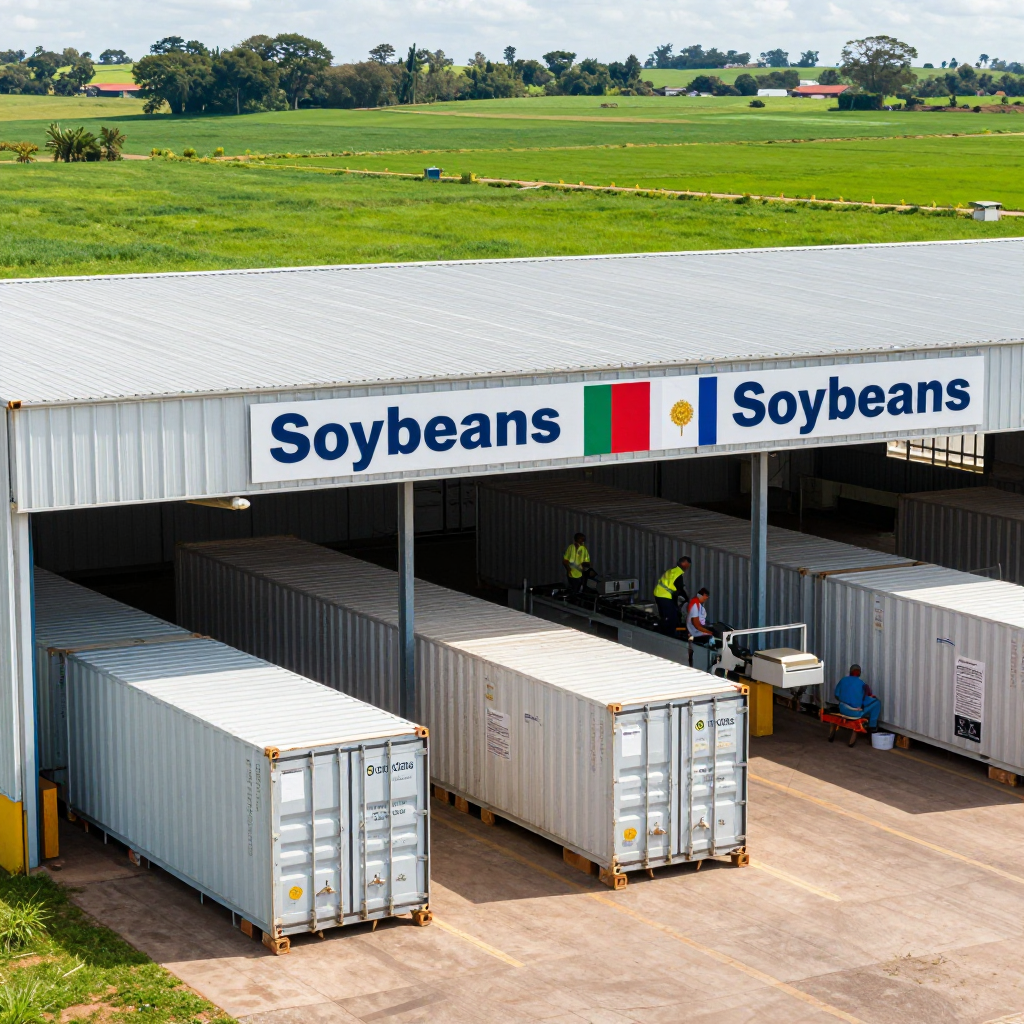
Asunción, Paraguay — In the latest quarterly report from the Central Bank of Paraguay, the nation’s economy has demonstrated a gradual and steady recovery, buoyed primarily by robust agricultural exports and increasing investment inflows. With a GDP growth projection of approximately 2.8% for 2023, analysts observe that while the pace may not match pre-pandemic levels, it signals stability and resilience in key sectors. Agriculture, which accounts for roughly 10% of Paraguay's GDP, remains a cornerstone, with soybean and cotton exports continuing to drive significant revenue. This is particularly important as Paraguay seeks to balance its reliance on agro-industrial output with diversification into manufacturing and services.
Trade dynamics within the Mercosur bloc remain a focal point. Recent developments show Paraguay leveraging its membership to explore new market opportunities. For instance, the country has been actively engaged in discussions over reducing non-tariff barriers, aiming to enhance intra-bloc trade flows. This effort aligns with broader Mercosur initiatives to strengthen economic integration and increase competitiveness in the global marketplace. Despite these positive trends, challenges persist. Political uncertainties at home have occasionally cast shadows over investor confidence, although they have yet to derail economic momentum. Additionally, inflation remains a concern, hovering around 4%, which could limit consumer spending and affect business expansion plans. To address this, the government continues to implement monetary policies aimed at stabilizing prices and supporting local industries. Paraguay’s focus on infrastructure development also points towards long-term economic growth. Notably, ongoing projects such as port expansions and road improvements aim to facilitate smoother trade logistics domestically and across borders. These initiatives are crucial for attracting foreign direct investment, especially from neighboring countries and beyond. Chinese investors, in particular, have expressed interest in collaborating on energy and transportation projects, reflecting Paraguay’s strategic position as a bridge between South America and Asia through Mercosur partnerships. Analysts suggest that Paraguay’s economic future hinges on its ability to capitalize on these opportunities while navigating external headwinds such as global supply chain disruptions and fluctuating commodity prices. The country’s alignment with Mercosur’s integration agenda, coupled with domestic reforms, could pave the way for sustained growth and stronger regional ties. As businesses continue to monitor these developments, Paraguay stands poised to play a more prominent role in shaping Mercosur’s economic landscape.