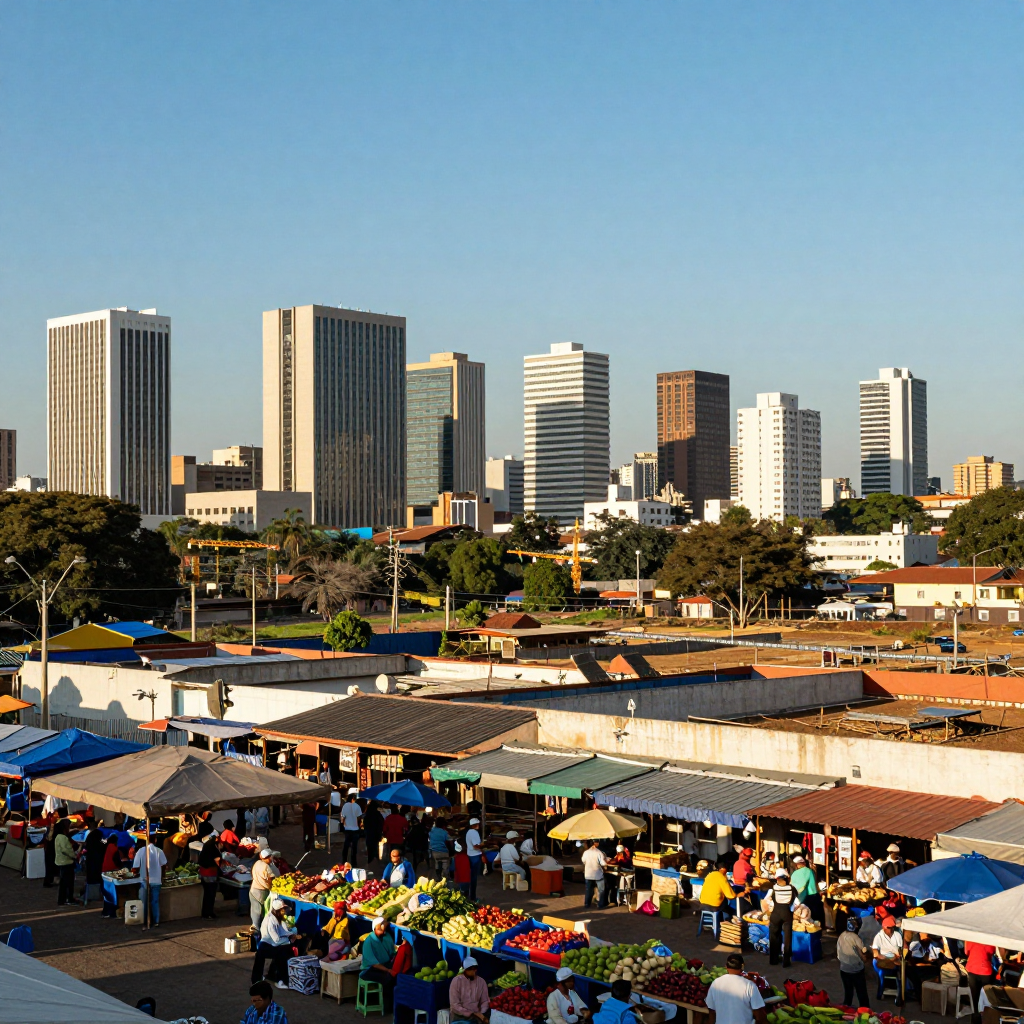
As Paraguay continues its economic rebound from recent challenges, the country has been actively seeking to bolster its trade ties within the Mercosur regional trading bloc. This strategic focus aims to leverage Paraguay's central geographic position and growing markets to attract both domestic and international investments. Recent initiatives highlight a commitment to improving infrastructure, streamlining trade processes, and enhancing competitiveness, all of which could significantly benefit businesses operating in or looking to enter the Mercosur market.
The Paraguayan government is emphasizing the role of Mercosur as a key platform for expanding trade volumes and fostering deeper economic integration. According to analysts, Paraguay’s efforts may lead to increased exports across various sectors, including agriculture, manufacturing, and services. These developments come at a time when the broader Mercosur region is also undergoing reforms to modernize its customs union and improve regulatory frameworks, offering potential synergies that could expedite Paraguay’s growth trajectory.
In addition to enhancing intra-bloc trade, Paraguay is actively engaging with international partners to explore opportunities beyond Mercosur. The country's recent participation in global trade forums and bilateral discussions suggests a strategic approach to balancing regional integration with broader economic diplomacy. Analysts note that these moves could help diversify Paraguay’s export markets and reduce dependency on a small number of trading partners, thereby boosting its resilience against external economic shocks.
From a business perspective, the ongoing initiatives present both immediate and long-term opportunities. Companies involved in agribusiness, particularly soy and beef production—key Paraguayan exports—are expected to see benefits from improved logistics and reduced tariffs within Mercosur. Meanwhile, investors in renewable energy and technology sectors are observing Paraguay’s progress in digital infrastructure and environmental policies, which may open new avenues for partnerships and joint ventures. However, challenges such as bureaucratic hurdles and regulatory inconsistencies remain, suggesting that sustained reform efforts will be critical to realizing the full potential of these opportunities.
Looking ahead, Paraguay’s success in leveraging its Mercosur membership will depend on its ability to implement reforms effectively and maintain strong diplomatic relations within the bloc. As the country continues to adapt to a rapidly changing global economic landscape, its strategic focus on trade and investment could position it as a valuable hub within the Mercosur region, attracting both regional and global business interests.