Asunción, Paraguay – In an effort to bolster its economic position within the Mercosur trade bloc, the Paraguayan government is implementing a series of reforms designed to streamline trade processes and enhance investor confidence. These initiatives come amid a backdrop of growing interest from international businesses looking to capitalize on Paraguay’s unique market dynamics and its role as a gateway to South American markets.
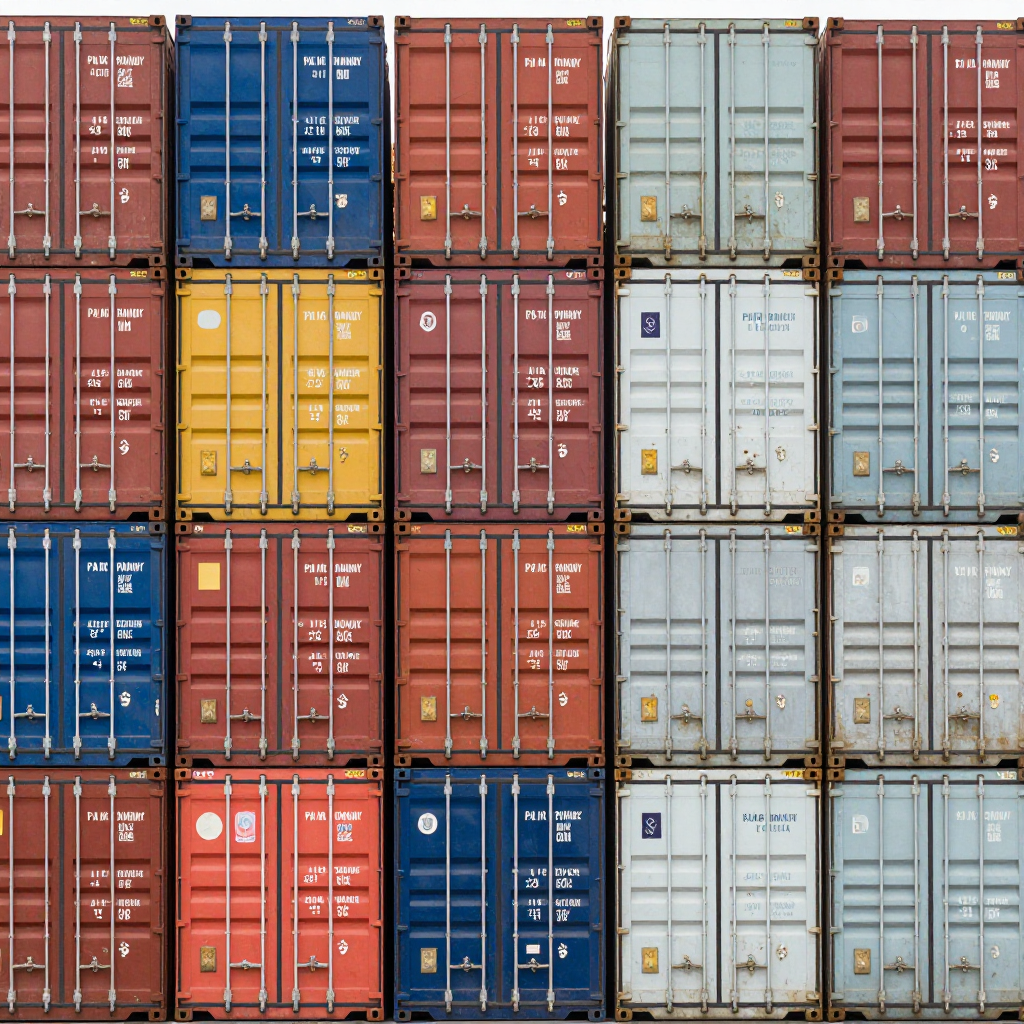
The focal point of Paraguay’s strategy is the modernization of its customs procedures and infrastructure. According to the Ministry of Industry and Commerce, recent investments aim to reduce bureaucratic hurdles for cross-border transactions. This includes digitizing customs clearance systems, which could cut processing times significantly. Analysts suggest that such improvements may not only increase efficiency but also attract more foreign direct investment (FDI) into Paraguay, particularly in sectors like agribusiness and manufacturing.
From a trade perspective, Paraguay continues to leverage itsMercosur membership to expand its export markets. The country has seen steady growth in exports to fellow Mercosur nations, particularly Brazil and Argentina. These exports primarily include agricultural products, such as soybeans, beef, and forestry goods, which benefit from preferential tariffs within the bloc. Recent data from the National Institute of Statistics (INE) indicates that Paraguay’s exports to Mercosur countries grew by approximately 8% year-on-year, reflecting improved trade flows and increased demand.
However, challenges remain. Paraguay’s economy continues to face constraints related to limited infrastructure and energy production capacity. While the government has outlined plans to invest in renewable energy projects to boost domestic power generation, critics argue that these efforts need to accelerate to support expanding industrial activity. Additionally, concerns persist over regulatory consistency, with some investors citing the need for clearer policy frameworks to mitigate risks.
Despite these hurdles, the outlook for Paraguay’s economic engagement with Mercosur remains positive. Analysts suggest that the country’s focus on improving logistics and aligning with regional directives under Mercosur’s Growth Plan could provide significant opportunities for diversification of its economy. Moreover, Paraguay’s relatively low labor costs and abundant natural resources continue to make it an attractive investment destination for companies seeking a strategic entry point into the broader South American market.
In the coming months, attention will likely focus on whether Paraguay can sustain its momentum in attracting FDI. Initiatives such as the recently announced tax incentives for investors in specific industries, including technology and green energy, will be critical to assessing the country’s ability to drive sustainable economic growth. Meanwhile, ongoing negotiations within Mercosur regarding trade liberalization and deeper integration could further shape Paraguay’s trajectory as a key player in the region’s business landscape.