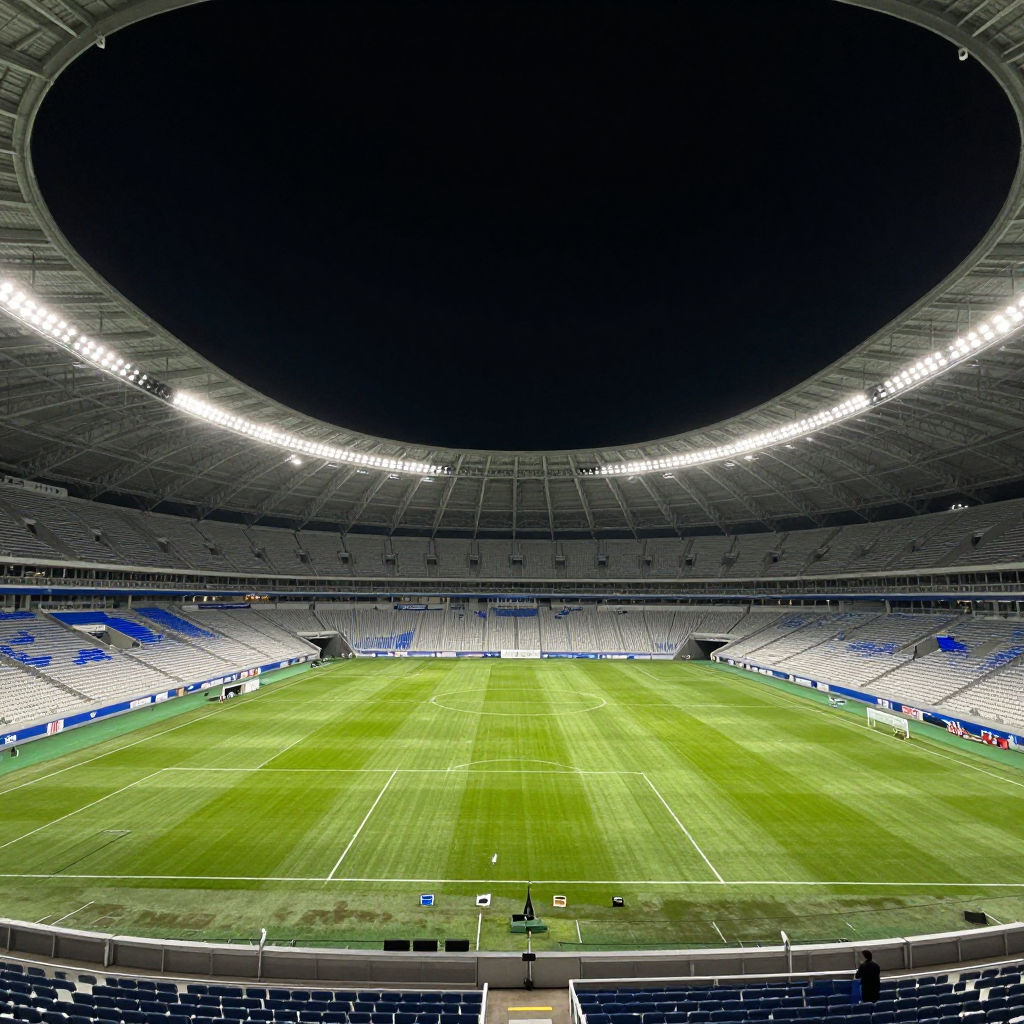
In a strategic move to diversify its economy and attract international investment, Paraguay is increasingly focusing on sports as a catalyst for tourism and business development. The country's rich football heritage, combined with its emerging athletics scene, presents a unique opportunity to position itself as a regional hub for sports events and related industries. This approach aligns with broader government efforts to strengthen Paraguay's position within Mercosur and attract foreign capital through infrastructure and hospitality projects.
Sports tourism has emerged as a key component of Paraguay's economic strategy, particularly in light of the country's participation in international competitions and its growing reputation as a destination for sports enthusiasts. The government has been working closely with private sector stakeholders to develop sports facilities, promote local talent, and create partnerships with neighboring Mercosur countries to host joint sporting events. These initiatives are expected to generate employment, stimulate local economies, and increase visibility for Paraguay on the global stage.
The emphasis on sports tourism is also part of a larger effort to modernize Paraguay's infrastructure and improve its appeal to international investors. By investing in sports facilities and promoting events that showcase the country's athletic strengths, Paraguay aims to attract both tourists and businesses interested in the region's growing potential. Analysts suggest that such efforts could lead to increased foreign direct investment in sectors like hospitality, real estate, and technology, which are critical for long-term economic growth.
While challenges remain, including the need for sustained investment and improved regulatory frameworks, the government's commitment to sports as a driver of economic development is clear. As Paraguay continues to engage with Mercosur and other regional partners, the potential for sports to contribute to the country's economic resilience and international standing is becoming increasingly evident.