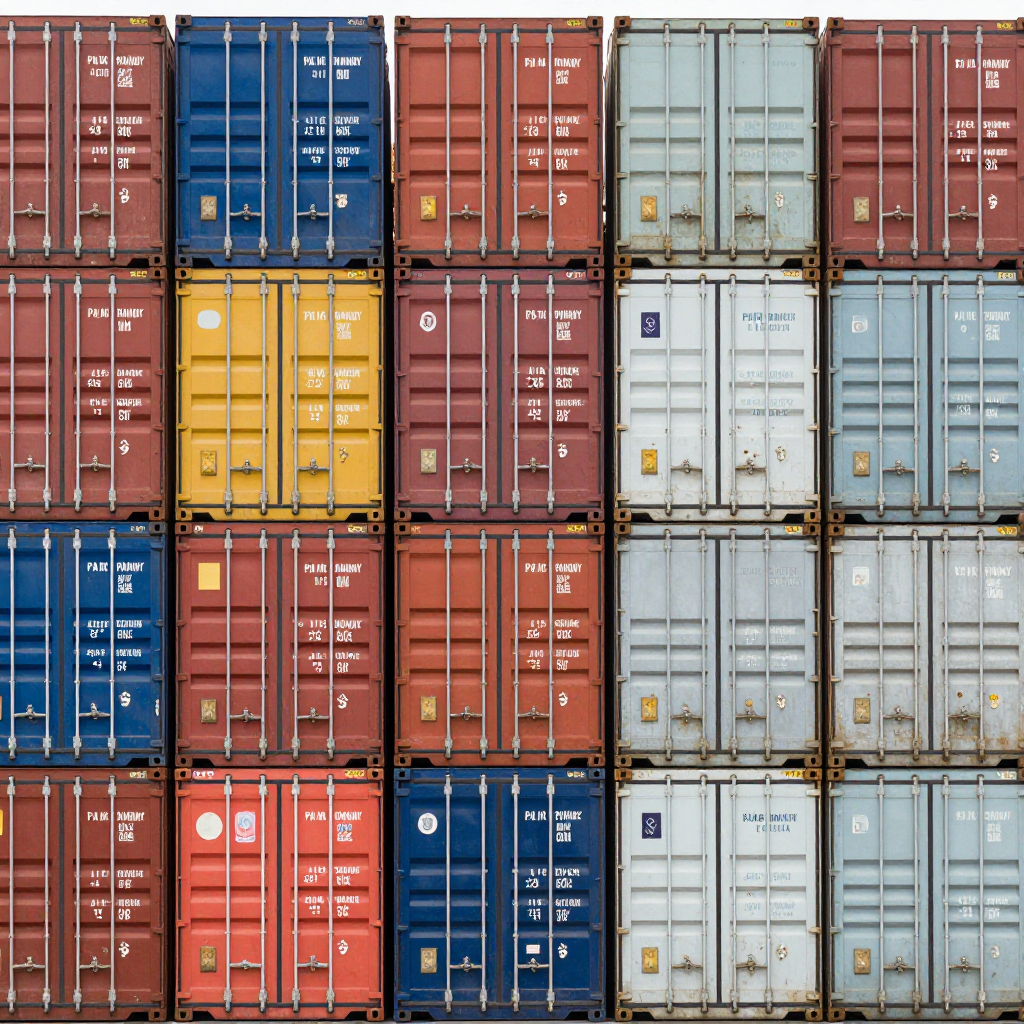
ASUNCIÓN, PARAGUAY - In a rapidly evolving global trade landscape, Paraguay finds itself at a critical juncture as it seeks to expand its influence within Mercosur and establish stronger ties with international partners. Recent developments in trade negotiations and diplomatic engagements underscore the country's strategic ambitions to capitalize on its unique position within the bloc while addressing pressing economic imperatives.
Mercosur has long been a cornerstone of Paraguay's economic strategy, providing access to a market of over 280 million consumers across Argentina, Brazil, Uruguay, and Venezuela. However, the dynamics of the trading bloc have evolved significantly, influenced by geopolitical shifts, divergent economic interests among member states, and external pressures from global trade giants like the United States and China. Despite these challenges, Paraguay remains committed to leveraging its membership to drive growth and diversify its economy beyond agriculture, which currently accounts for nearly a third of its GDP.
In the past month, diplomatic representatives from Paraguay have engaged in several high-level meetings with key Mercosur partners, aiming to harmonize trade policies and explore new avenues for collaboration. While specific details remain confidential, sources indicate that discussions have centered around enhancing regional value chains, particularly in sectors such as agro-industry, energy, and logistics. Industry analysts suggest that Paraguay's relatively low production costs and favorable geographic location could place it at the forefront of intra-bloc manufacturing initiatives if proper investments are made in infrastructure and human capital development.
Beyond Mercosur, Paraguay is also exploring opportunities to strengthen bilateral relationships with non-member countries. The ongoing negotiations with the European Union regarding a potential trade agreement are a case in point. Such agreements could open new markets for Paraguayan exports, particularly in niche agricultural products where the country holds a comparative advantage. However, analysts caution that Paraguay must balance external engagement with maintaining internal cohesion within Mercosur, as diverging trade priorities could lead to tensions among member states.
Domestically, Paraguay's government has emphasized the importance of attracting foreign direct investment as a means of boosting competitiveness and creating jobs. Initiatives aimed at improving regulatory frameworks and streamlining bureaucratic processes have gained momentum, signaling a shift towards greater transparency and investor confidence. While progress is promising, challenges persist, including infrastructural bottlenecks, limited financing options, and the need for workforce skill enhancement.
Looking ahead, Paraguay's success will hinge on its ability to integrate into global supply chains while protecting domestic industries. By strategically aligning with both regional and international partners, the country aims to position itself as a reliable and dynamic participant in the global economy. As it navigates these complex waters, Paraguay's journey within Mercosur offers insights into the broader challenges and opportunities facing smaller economies in an increasingly interconnected world.