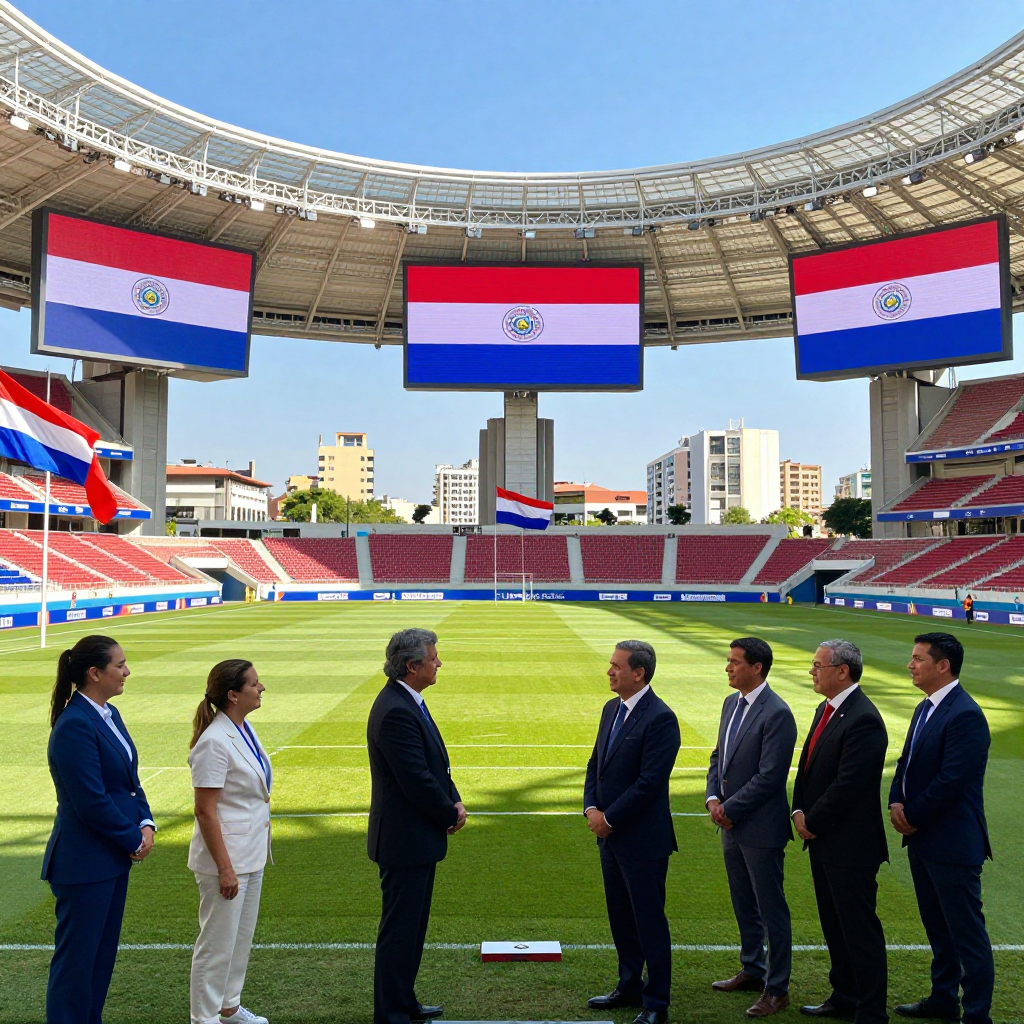
Asunción, Paraguay - In a move that underscores the growing importance of soft power in global diplomacy, Paraguay is positioning itself as a key player in regional sports initiatives, aiming to leverage athletic events to boost economic ties within Mercosur. This strategic approach comes at a time when the country seeks to diversify its foreign relations and attract international investors beyond traditional sectors like agriculture and hydroelectricity.
The Paraguayan government has expressed interest in hosting high-profile international sports events, including football tournaments and athletics championships, which analysts believe could serve as catalysts for increased tourism and business opportunities. "Sports events have proven to be powerful tools for nations looking to project stability and hospitality," said a spokesperson from the Ministry of Sports and Recreation. By investing in infrastructure such as stadiums and sports facilities, Paraguay hopes to not only showcase its capabilities but also stimulate economic activities across various sectors.
One notable initiative gaining traction is the potential qualification of Paraguay's football teams for upcoming international matches, particularly those involving neighboring Mercosur countries. "Football has always been a unifying force in South America, and Paraguay's ability to host matches could enhance trade relations and cultural exchanges with Brazil, Argentina, Uruguay, and others," noted Dr. Carla Giménez, an economist specializing in regional integration. While qualifications for such events remain competitive, Paraguay's active participation in FIFA-organized qualifying rounds signals its commitment to the sport and potential economic benefits.
Beyond football, Paraguay is also focusing on developing its athletics sector, a move that aligns with broader global health and wellness trends. The country recently announced plans to upgrade existing athletic facilities and potentially bid for smaller-scale international championships, such as regional track and field meets. These efforts are seen as part of a larger strategy to position Paraguay as a welcoming destination for both tourists and businesses, especially within Mercosur.
The economic implications of hosting sports events extend beyond direct revenue. Tourism-related industries—such as hotels, restaurants, transportation, and retail—are expected to experience a boost, while long-term investments in infrastructure could improve connectivity and efficiency in Paraguay. Furthermore, sports diplomacy can enhance Paraguay's image abroad, making it more attractive to foreign investors while fostering stronger diplomatic relationships within the Mercosur framework.
However, challenges remain. Securing adequate funding for large-scale events, ensuring efficient event management, and navigating regional political dynamics are critical factors. Despite these hurdles, Paraguay's focus on sports as a diplomatic tool reflects a forward-thinking strategy aimed at leveraging cultural and sporting achievements to drive economic growth and reinforce its role in the Mercosur bloc.