Asunción, Paraguay — In an era marked by rapid technological advancements, Paraguay is making strides toward embracing digital transformation as a catalyst for economic growth and regional integration within Mercosur. With a strategic emphasis on enhancing telecommunications infrastructure and fostering innovation, the South American nation is navigating a path to harness technology as a driver of competitiveness in the global market.
The push for digital adoption in Paraguay is underscored by a broader strategic shift aimed at modernizing its economy. The government has identified technology as a key enabler to bridge gaps in productivity and efficiency, particularly in sectors such as agriculture, finance, and manufacturing. Analysts suggest that this movement could position Paraguay as a more attractive investment destination, leveraging its geographic proximity to larger economies like Brazil and Argentina.
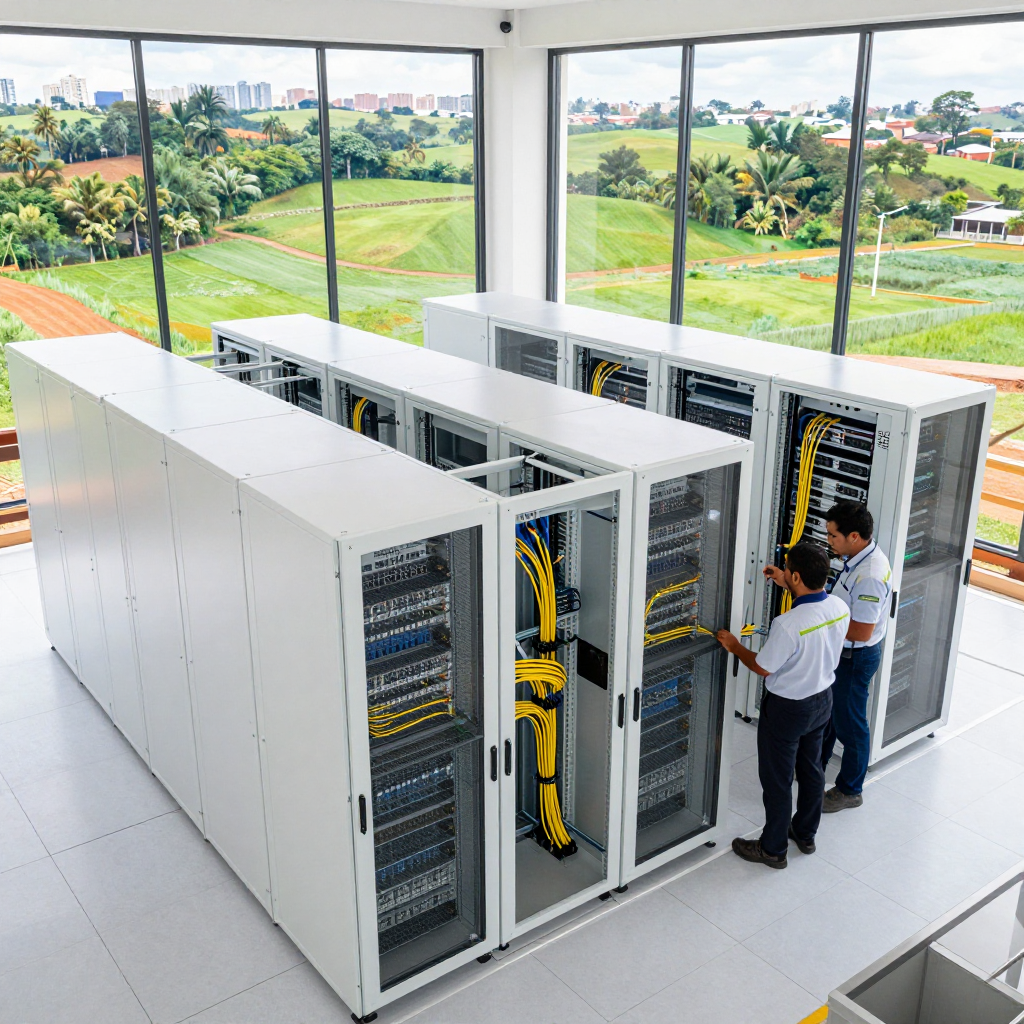
A pivotal aspect of Paraguay's strategy involves upgrading its telecommunications sector. Recent initiatives aim to expand broadband access across rural and urban areas, reducing digital divides that have historically hindered widespread connectivity. Companies like Tigo Paraguay and Personal Telefónica have been central to these efforts, investing in fiber optic networks and mobile services to ensure greater reach and reliability. According to industry reports, these improvements are expected to contribute to a GDP growth rate of up to 4% annually over the next five years, driven by increased digital engagement.
Parallel to infrastructure development, Paraguay is also nurturing a burgeoning startup ecosystem. Programs like Start-Up Paraguay and partnerships with regional accelerators are providing funding, mentorship, and resources to emerging tech ventures. These startups are exploring solutions ranging from fintech innovations to agribusiness technologies, addressing both local challenges and regional demands. Notably, the success of these enterprises could attract foreign investors keen onMercosur’s growing digital markets.
However, challenges remain. Regulatory frameworks need further refinement to accommodate the dynamic nature of technology-driven businesses, and concerns around cybersecurity and data protection persist. Additionally, the digital skills gap among the workforce highlights the urgency for comprehensive training programs. Despite these hurdles, the momentum toward digital transformation in Paraguay reflects a commitment to leveraging technology as a transformative force for sustainable development.
Looking ahead, experts highlight Paraguay’s potential to serve as a gateway for digital solutions within Mercosur. By aligning its technological ambitions with regional cooperation, the country could enhance its role in the bloc. This progress not only benefits domestic stakeholders but also resonates with international business communities seeking opportunities in an increasingly digitized Mercosur landscape.