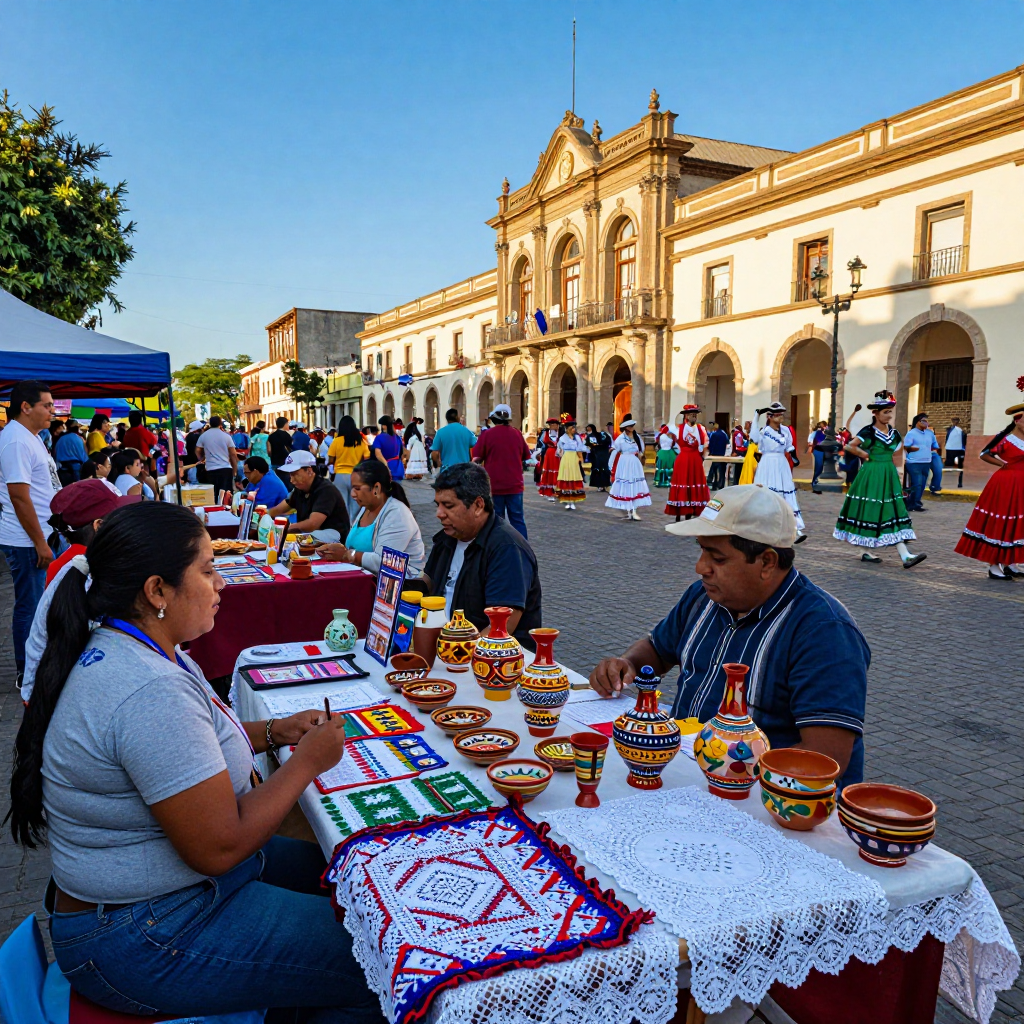
Asunción, Paraguay – Paraguay’s cultural landscape is witnessing a notable revival, driven by a renewed appreciation of its rich traditions and artistic expressions. This surge in cultural activity is not merely a celebration of heritage; it is increasingly becoming a catalyst for economic growth, especially within the tourism sector. The recent emphasis on preserving and promoting Paraguayan art, music, and crafts has caught the attention of businesses and investors looking to tap into emerging markets within Mercosur.
The cultural renaissance is evident in various initiatives. Traditional festivals such as Carnaval del País are seeing larger participation from both locals and tourists, drawing visitors who are keen to experience authentic Paraguayan culture. The National Theater of Asunción has also seen increased attendance, thanks to a series of international collaborations and local talent showcases. These cultural events serve as pivotal platforms for cultural exchange while simultaneously boosting local economies through tourism-related spending.
From a business perspective, this cultural resurgence presents significant opportunities, particularly for entrepreneurs and international investors. The demand for traditional artisanal products, such as Ñandutí lace and Guasú pottery, has prompted the development of new export channels. The Paraguayan government, recognizing the potential, has implemented programs aimed at supporting artisans and SMEs focused on cultural goods, providing them with access to training and markets.
In addition to artisanal exports, there is growing interest in cultural tourism. Paraguay’s stunning natural landscapes, combined with its unique cultural narrative, offer attractive options for eco-tourism and cultural immersion tours. Hotels and tour operators have begun investing in localized experiences that highlight Paraguay’s indigenous communities and historical sites, such as the Jesuit Missions, which are UNESCO World Heritage sites.
This cultural revival is also influencing educational reforms. The integration of cultural studies into school curricula aims to foster a deeper understanding among younger generations, ensuring the preservation of cultural heritage. Moreover, partnerships between universities and cultural institutions are leading to research and innovation in areas such as sustainable tourism and digital preservation of cultural artifacts.
While Paraguay’s cultural renaissance is still in its early stages, it is already reshaping perceptions of the country abroad. The resulting demand for cultural tourism and artisanal exports could position Paraguay as a key player in the Mercosur region, leveraging its unique identity for economic gain. As the world becomes more interconnected, Paraguay’s opportunity lies in capitalizing on its cultural strengths to attract foreign investment while sustaining and celebrating its heritage.