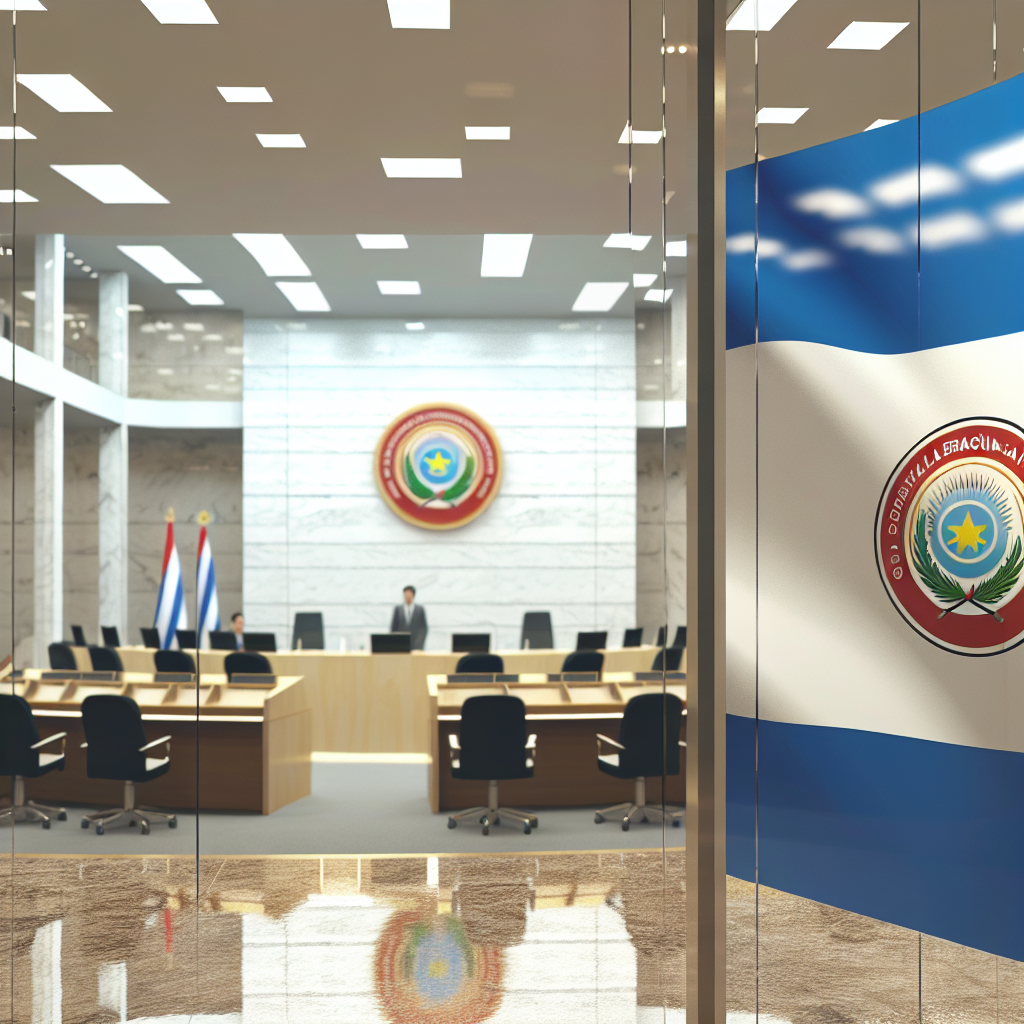
Paraguay's role within the Southern Common Market (Mercosur), the South American trade bloc, is undergoing a significant shift. The nation's growing influence presents a new set of opportunities and challenges for international businesses eyeing the region for trade and investment prospects. Paraguay's government has been actively pushing for policy reforms to encourage foreign investments and foster economic growth. These changes are expected to have a profound impact on the country's business environment and Mercosur's dynamics.
Paraguay, traditionally considered a smaller player within Mercosur, has been gradually asserting its position. This development is largely due to the government's commitment to economic liberalization and policy reforms aimed at enhancing business competitiveness. These reforms may improve the country's standing among foreign investors, who often consider policy stability and openness when assessing investment prospects.
However, Paraguay's rising influence within Mercosur isn't without challenges. The country's policy changes could potentially disrupt established trade relations within the bloc. Moreover, the nation's push for economic liberalization may not align with the more protectionist stances of other Mercosur members, potentially causing tensions within the organization.
Nonetheless, analysts suggest that Paraguay's strengthened position could offer new avenues for international businesses. The country's commitment to economic reform could lead to the creation of more favorable business conditions. Additionally, Paraguay's strategic location in the heart of South America makes it an attractive hub for companies looking to expand their operations in the region.
In conclusion, Paraguay's evolving role within Mercosur represents a significant development for international businesses interested in the region. While the country's policy changes could present challenges, they also offer the potential for new opportunities. As such, international businesses and investors would do well to closely monitor the country's political and economic developments.