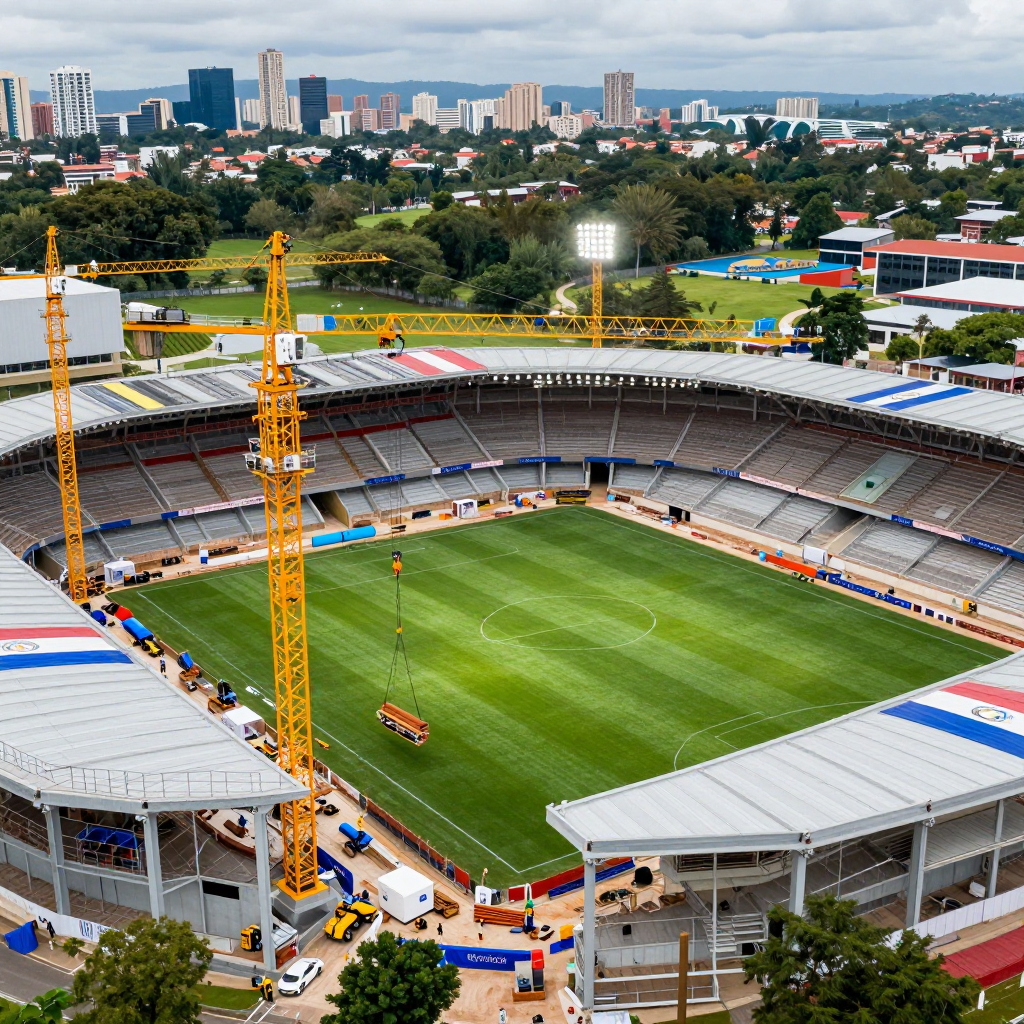
As Paraguay continues to solidify its position within the Mercosur economic bloc, the country's sports sector is increasingly becoming a focal point for both domestic and international investors. The nation's ongoing efforts to enhance its football infrastructure, coupled with its participation in regional athletic competitions, present a unique opportunity for businesses to capitalize on this burgeoning market.
Football, the national sport of Paraguay, has long been a source of local pride and international interest. In recent years, the country has invested in upgrading its stadiums and training facilities, aiming to host more high-profile matches and potentially secure bids for future international tournaments. These investments not only enhance the sporting experience but also drive economic activity through increased tourism, hospitality services, and infrastructural development. Analysts suggest that such initiatives could bolster Paraguay's reputation as a regional hub for sporting events, attracting further investments from neighboring countries within Mercosur.
Beyond football, Paraguay's participation in international athletic competitions has gained attention, particularly at events such as the South American Games and regional track meets. These competitions provide a platform for showcasing the country's talent and infrastructure while fostering business partnerships with neighboring nations. Companies specializing in sports equipment, media broadcasting, and event management are increasingly eyeing Paraguay as a strategic market given its central location within Mercosur and its growing emphasis on sports.
From an economic standpoint, the sports sector's growth could stimulate ancillary industries such as tourism, retail, and hospitality. The influx of visitors attending sporting events can boost local economies, generating additional revenue streams. Moreover, Paraguay's commitment to developing its sports infrastructure aligns with global trends where governments and private entities are recognizing the economic benefits of investing in sports-related projects.
However, challenges remain. Ensuring sustainable funding for sports projects, promoting local talent development, and maintaining transparency in governance are critical factors that will determine the sector's long-term success. Additionally, integrating Paraguay's sports initiatives with broader regional strategies within Mercosur could open new avenues for collaboration and trade, underscoring the importance of coordinated efforts among member countries.
In conclusion, Paraguay's focus on enhancing its sports infrastructure and participation in regional competitions presents a compelling opportunity for businesses looking to leverage the country's strategic position within Mercosur. By capitalizing on this momentum, Paraguay could establish itself as a key player in the region's evolving sports landscape, driving economic growth and fostering cross-border collaborations.