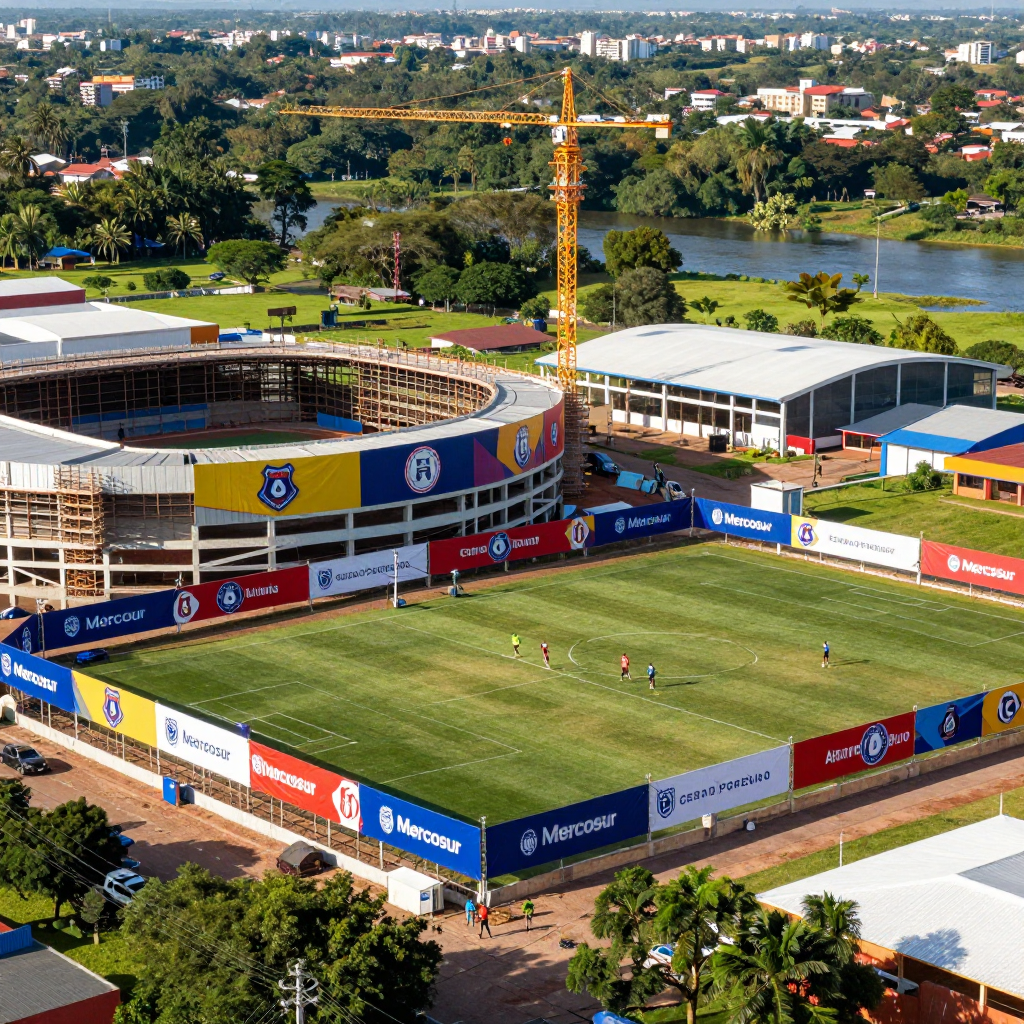
As Paraguay continues to integrate economically within the Mercosur bloc, the nation's sports sector is emerging as a key area for potential growth and investment. In recent years, Paraguay has been leveraging its strong football heritage and athletic talent to position itself as a destination for regional sporting events and tourism. This strategic move not only aligns with broader economic objectives but also presents opportunities for local businesses and international investors to capitalize on the burgeoning sports ecosystem.
Football, the national sport, remains at the heart of Paraguay's sporting identity. Despite challenges in infrastructure and funding, local clubs such as Cerro Porteño and Olimpia have gained international recognition through their participation in South American competitions like the Copa Libertadores. These achievements have sparked discussions among policymakers and business leaders about how to transform Paraguay into a hub for regional football development. Initiatives under consideration include building modern stadiums that could host international matches, training camps for foreign teams, and establishing youth academies to nurture local talent while attracting global scouting networks.
Beyond football, Paraguay's natural landscapes make it a promising destination for athletics and outdoor sports. The country's diverse geography—from lush forests to scenic rivers—offers potential for marathons, mountain biking, and adventure sports. Recognizing this, the government has begun exploring public-private partnerships to develop eco-friendly sports facilities and promote Paraguay as a unique venue for international athletic events. Such efforts could attract tourists, boost hotel occupancy rates, and stimulate local economies, particularly in less developed regions.
However, realizing these ambitions requires addressing several challenges. Investment in sports infrastructure remains limited, and regulatory frameworks need to be updated to facilitate private sector involvement. Moreover, ensuring fair competition and transparency will be critical to attracting international partners. Against this backdrop, analysts suggest that Paraguay's integration into Mercosur could play a pivotal role. By leveraging trade agreements and regional cooperation initiatives, the country may enhance access to markets for sports-related goods and services, while also benefiting from shared expertise and funding opportunities.
Looking ahead, Paraguay's sports sector holds significant promise for driving both cultural exchange and business development. As the nation continues to navigate its economic and political landscape within Mercosur, the strategic alignment of sports initiatives with broader economic goals could pave the way for sustainable growth. With careful planning and collaboration between government, private enterprises, and regional allies, Paraguay may emerge as a vibrant center for sports culture and commerce in the Southern Cone.