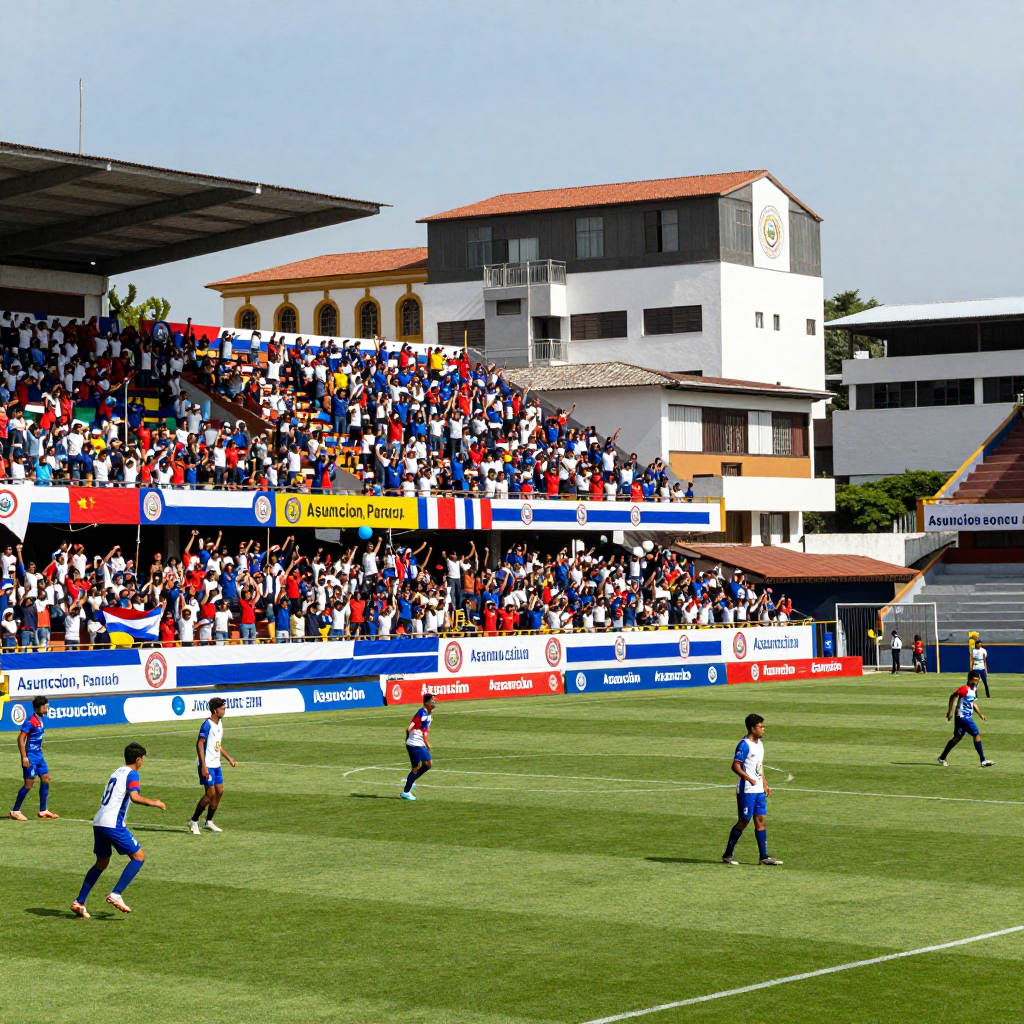
Paraguay's sports sector is experiencing a notable transformation, driven by increasing investments in both domestic talent and international competitiveness. This expansion not only enhances Paraguay's reputation within Mercosur but also presents substantial economic opportunities for businesses looking to capitalize on growing interest in local athletic achievements.
In recent years, Paraguay has made strides in developing its football and athletics programs. The national football team's consistent performance in regional tournaments has attracted attention from sponsors and media outlets. Meanwhile, the athletics sector has seen a surge in participation among youth, fueled by government initiatives aimed at promoting physical activity and creating pathways to professional sports careers. These developments have placed sports at the forefront of Paraguay's cultural and economic agenda.
For businesses, the sports sector offers lucrative potential. Sponsorship deals with budding athletes or sports clubs provide brand visibility in a younger demographic that values authenticity and local heroes. Furthermore, the growth in fan engagement translates into increased revenue streams through merchandise sales, sports events, and broadcasting rights. Companies within the Mercosur region are beginning to recognize these opportunities, with some already forming partnerships with Paraguayan teams and athletes to enhance their market presence.
The sports tourism sector represents another promising avenue. Paraguay's strategic location makes it an appealing destination for sports enthusiasts traveling between Mercosur countries. Hosting high-profile events and tournaments could attract visitors, stimulating local economies through accommodation, transportation, and entertainment services. Analysts suggest that with continued investment in sports infrastructure, such as stadiums and training facilities, Paraguay could position itself as a hub for regional sporting events, further bolstering its appeal to investors.
While challenges remain—such as limited funding compared to neighboring nations and infrastructure gaps—the proactive stance taken by both public and private sectors indicates a commitment to leveraging sports as a catalyst for economic growth. As Paraguay continues to integrate more deeply into Mercosur, the synergy between improved sports performance and increased business opportunities could serve as a model for sustainable development within the region.
In conclusion, Paraguay's sports sector is emerging as a critical component of its economic strategy, with implications extending beyond athletic achievements. By focusing on talent development, infrastructure improvements, and strategic partnerships, the country is poised to capitalize on its growing reputation as a competitive force in Mercosur, while simultaneously attracting business interest and investment.