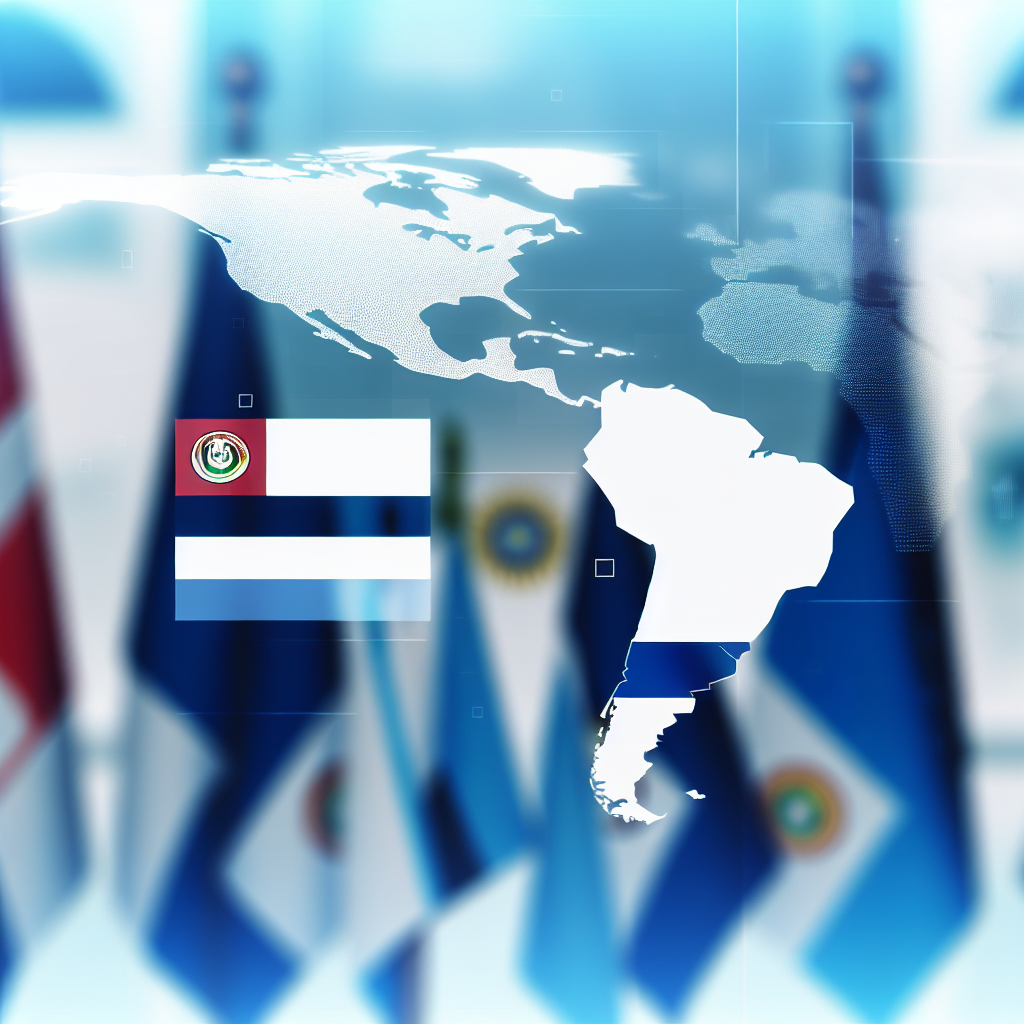
Paraguay, as a member of the Southern Common Market (Mercosur), has been playing an increasingly significant role in shaping global trade dynamics. The landlocked nation's strategic location in the heart of South America, coupled with its robust agricultural sector, provides it with unique opportunities and challenges in the international trade arena.
The Mercosur bloc, comprising Argentina, Brazil, Paraguay, and Uruguay, is the world's fifth-largest economy. As such, Paraguay's role within this economic alliance is crucial for its international trade relations. The country’s agricultural sector, a key driver of its economy, stands to benefit from the bloc's trade agreements and negotiations.
However, Paraguay's trade strategy is not without its challenges. Navigating regional politics, particularly the differing economic perspectives and policies among Mercosur member countries, requires delicate diplomacy. Additionally, the global downturn caused by the COVID-19 pandemic has disrupted trade flows and dampened economic prospects.
Despite these challenges, Paraguay has shown resilience. It has continued to engage in trade negotiations and has sought to diversify its market access. Efforts to develop the country's infrastructure, improve its business environment, and promote value-added sectors are also underway.
Mercosur's future, and by extension Paraguay's, hinges on its ability to adapt to shifts in the global economy. Analysts suggest that the bloc may need to pursue more flexible trade policies and deepen its ties with other regions, such as the European Union and Asia-Pacific countries.
In conclusion, Paraguay's position within Mercosur presents both opportunities and challenges. How the country navigates these will be critical not only to its economic prosperity but also to its role in the global trade landscape.