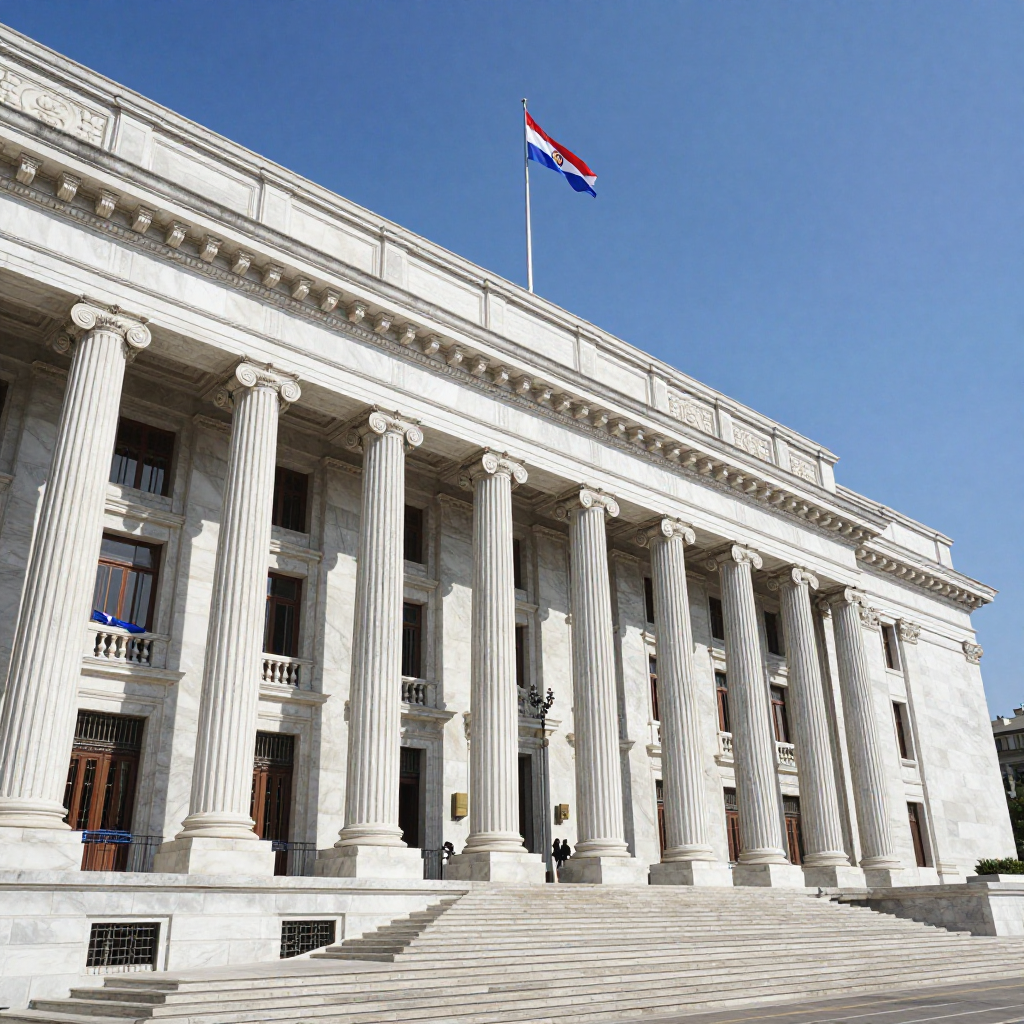
In a move to strengthen its position within Mercosur, the Paraguayan government has introduced a series of trade policy reforms aimed at streamlining customs procedures and enhancing regional economic integration. The changes, which were approved by the National Congress in late 2024, seek to reduce bureaucratic hurdles for cross-border trade and attract foreign investment. However, the new policies have sparked debate among business leaders and economic analysts, who are concerned about the practical implementation and potential unintended consequences.
The reforms include the digitization of customs documentation, the introduction of a unified tariff system for Mercosur members, and the simplification of import and export procedures. These measures are intended to make Paraguay a more attractive destination for regional trade and investment. According to the latest data from the Paraguayan National Institute of Statistics (INDEC), the country's trade volume with Mercosur partners has increased by 7% year-on-year, indicating a positive trend in regional economic integration.
Despite these developments, some business associations have expressed concerns about the lack of clear guidelines and the potential for regulatory inconsistencies. The Chamber of Industry and Commerce of Paraguay (CICP) has called for greater transparency in the implementation process, emphasizing the need for a phased approach to avoid disrupting existing business operations. Analysts suggest that the success of these reforms will depend on the government's ability to balance regulatory changes with the needs of local and international businesses.
The new policies also align with Paraguay's broader economic strategy, which focuses on diversifying its export base and reducing dependency on traditional markets. By improving trade relations within Mercosur, Paraguay aims to position itself as a key player in regional economic development. However, the long-term impact of these reforms will depend on how effectively they are executed and how well they address the concerns of the business community.
As the reforms take effect, businesses across various sectors are closely monitoring the developments, with many awaiting further details on implementation timelines and support mechanisms. The outcome of these policy changes could have significant implications for Paraguay's economic growth and its role within the Mercosur region.