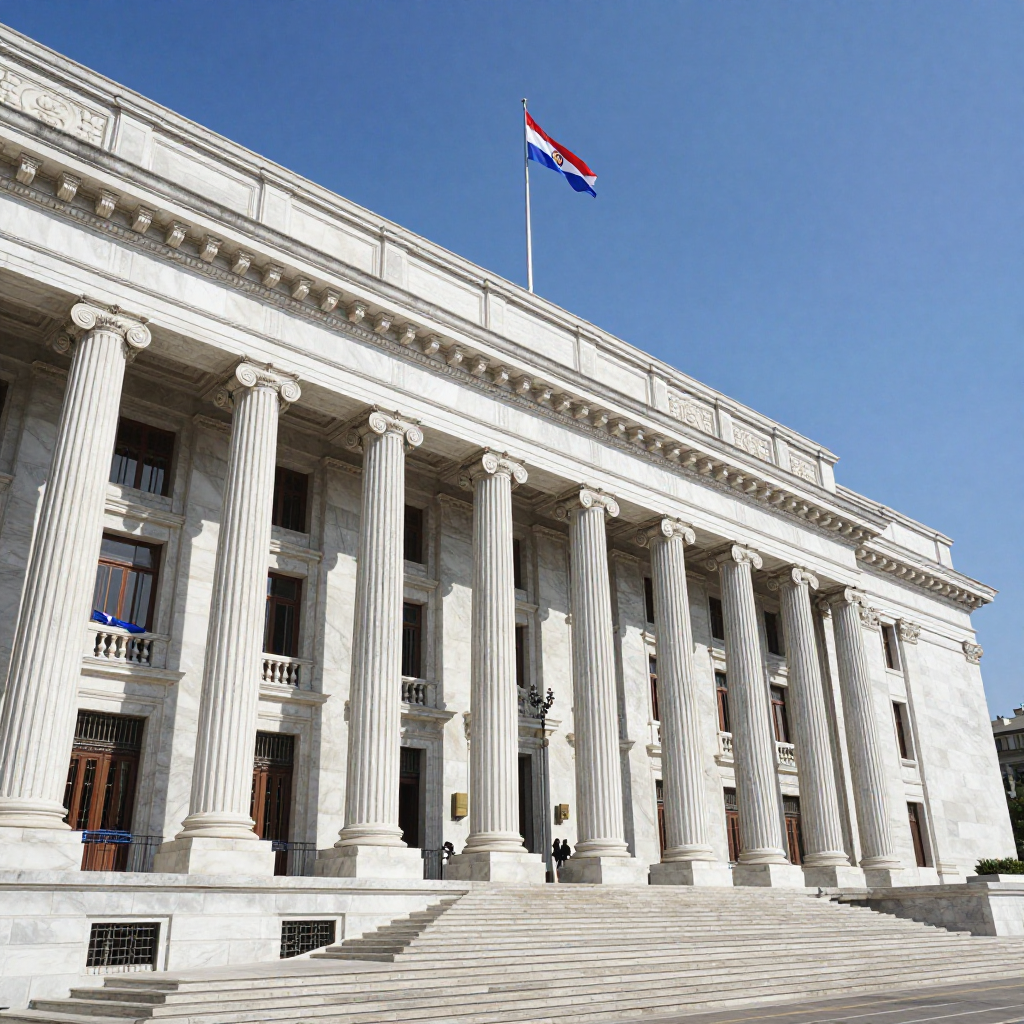
In a move to bolster its position within Mercosur, the Paraguayan government has introduced a series of trade policy reforms designed to enhance regional economic integration. These reforms, announced in late 2024, focus on streamlining customs procedures, reducing non-tariff barriers, and improving transparency in trade agreements. The measures are intended to make Paraguay a more attractive destination for foreign investment and to facilitate smoother cross-border trade with neighboring countries within the Southern Common Market (Mercosur).
The reforms come at a time when Mercosur is facing increasing pressure to modernize its trade frameworks to remain competitive in the global economy. Analysts suggest that Paraguay's proactive approach could position the country as a key player in regional trade negotiations. The government has emphasized that the changes will not only benefit local businesses but also create a more stable and predictable environment for international partners. This stability is crucial for attracting long-term investments, particularly in sectors such as agriculture, energy, and infrastructure.
The new policy framework includes a commitment to align Paraguay's trade practices with international standards, which is expected to enhance its competitiveness in global markets. While the full impact of these reforms will take time to materialize, early indicators suggest a positive shift in business confidence. The government has also pledged to engage in dialogue with Mercosur partners to ensure that the reforms are implemented in a way that supports regional economic growth.
For international businesses, the changes represent both an opportunity and a challenge. While the improved regulatory environment could lead to increased market access, companies will need to navigate the evolving landscape carefully. The Paraguayan government has indicated that it will provide support to businesses through training programs and advisory services. As the reforms take effect, the business community will be closely watching to see how these changes translate into tangible benefits for the economy and the broader Mercosur region.