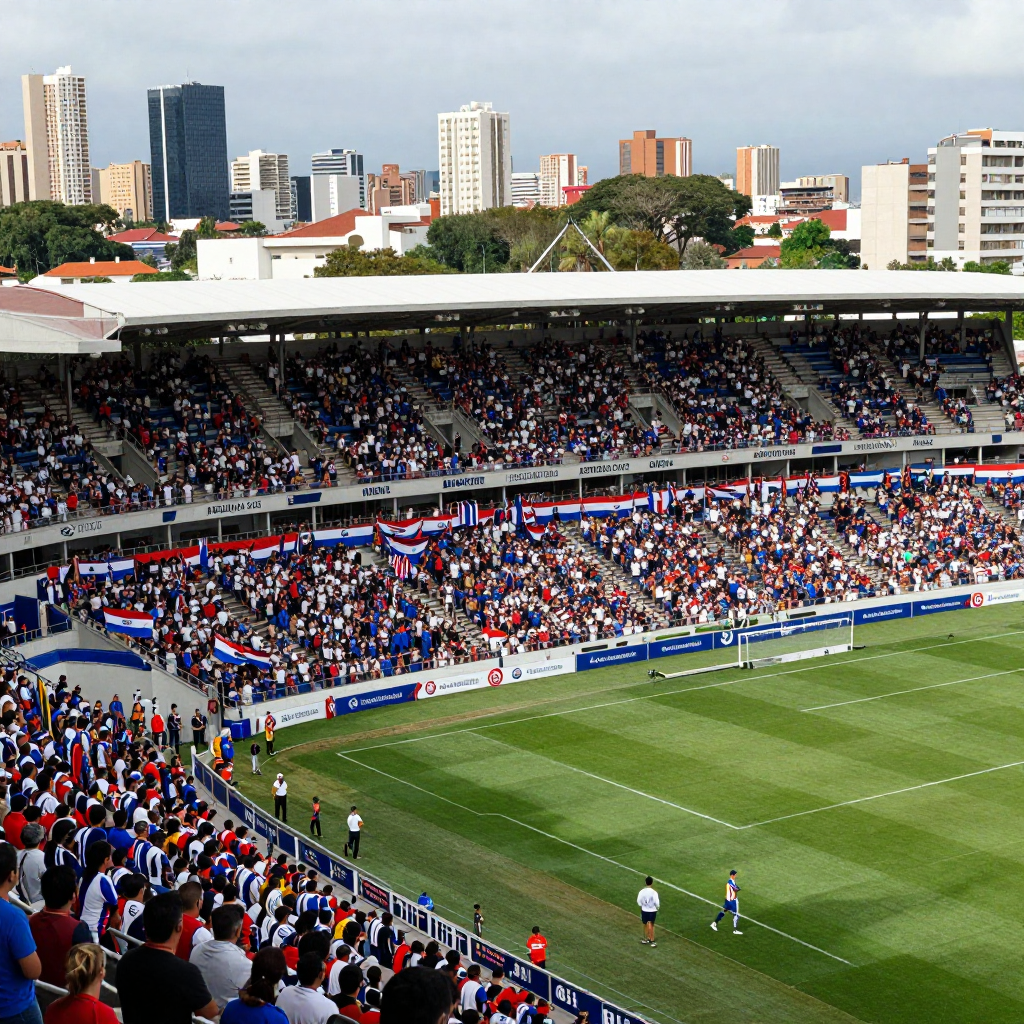
Asunción, Paraguay — In a significant development for Paraguay's sports sector, the national football league has seen a notable uptick in investment over the past year, driven largely by economic ties with neighboring countries in the Mercosur trade bloc. Analysts suggest that this influx of capital could have broader implications for the region's sports economy and Paraguay's position within the Mercosur framework.
Mercosur, comprising Argentina, Brazil, Paraguay, Uruguay, and Venezuela, has long prioritized economic cooperation and trade liberalization among member states. Recent discussions have highlighted the potential for cultural and sports collaborations as well, with football serving as a natural catalyst due to its popularity across the bloc. Paraguay's football league, while less prominent than those in Brazil or Argentina, has historically struggled to secure substantial investments, limiting its ability to compete at higher levels.
However, recent shifts suggest a turning point. Local businesses, recognizing football's potential as a cultural ambassador and economic driver, have begun allocating more resources toward league development. Simultaneously, foreign investors, particularly from within Mercosur, have shown interest in acquiring stakes in Paraguayan clubs. This trend not only strengthens local teams but also positions Paraguay as a more attractive partner within the bloc’s cultural exchanges.
One key driver behind this investment surge is the Paraguayan government's push to leverage football as part of its broader economic strategy. By enhancing the league's infrastructure and competitive standards, officials hope to transform football into a tool for attracting tourism, fostering regional partnerships, and promoting Paraguay as a viable market for foreign investment. "Football is more than just a sport here; it's a symbol of national pride and a vehicle for economic growth," notes a spokesperson from the Ministry of Sports and Recreation.
Analysts caution, however, that while the increased investment is promising, challenges remain. Infrastructure development, player retention, and marketing strategies will need to align with the league's growing ambitions. Moreover, ensuring that investments translate into sustainable growth rather than short-term gains will be crucial for long-term success.
Despite these hurdles, the momentum surrounding Paraguay's football league could signal a broader shift in the country's approach to leveraging sports as a component of its economic and diplomatic agenda. As Paraguay continues to integrate deeper into Mercosur, the potential for football to serve as a bridge between nations and attract international attention grows ever stronger.