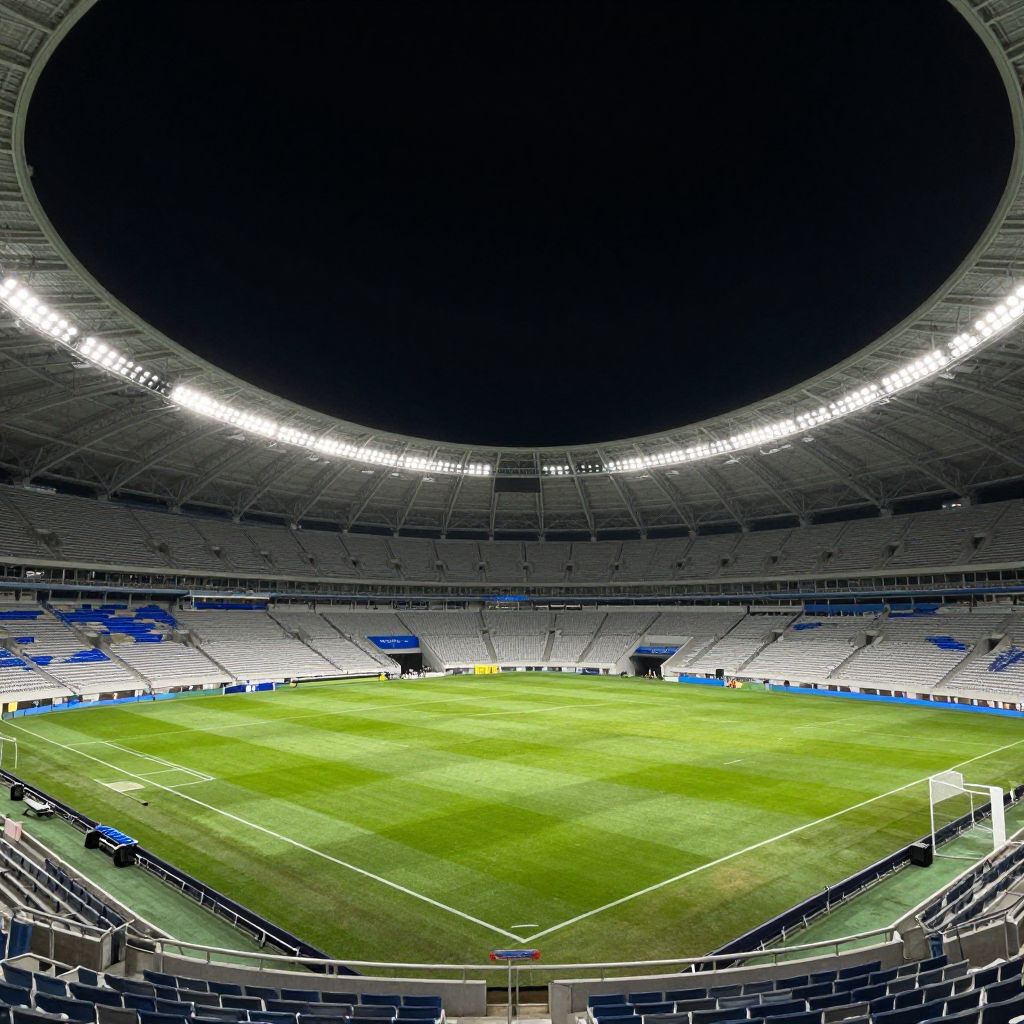
In recent months, Paraguay's national football team has emerged as a focal point for both sports enthusiasts and business analysts. The country's football federation, CONMEBOL, has announced plans to increase investment in grassroots development and infrastructure, which could have significant economic implications. These developments come at a time when Paraguay is seeking to strengthen its position within Mercosur, the South American economic bloc.
The Paraguayan Football Federation (FPF) has outlined a strategic plan to modernize stadiums, improve training facilities, and expand youth academies. This initiative is supported by both public and private sector stakeholders, who see the potential for increased tourism and media revenue. Analysts suggest that improved football performance could also enhance Paraguay's soft power and attract foreign investment in the sports and entertainment sectors.
While the economic benefits of sports development are clear, there are also challenges to consider. Paraguay's economy, which relies heavily on agriculture and services, must balance increased sports spending with other priorities. The government has emphasized the need for sustainable development, ensuring that investments in football do not divert resources from critical infrastructure and social programs.
Regional competitions, such as the Copa América and the South American Football Championship, provide opportunities for Paraguay to showcase its sporting capabilities. Success in these events could lead to increased commercial opportunities, including sponsorships and broadcasting rights. However, the country must also navigate the complexities of regional politics, as football often serves as a platform for diplomatic engagement.
In conclusion, the growing investment in Paraguay's football sector reflects a broader strategy to enhance the country's economic and diplomatic standing. While the path forward is not without challenges, the potential rewards for both the nation and its business community are substantial.