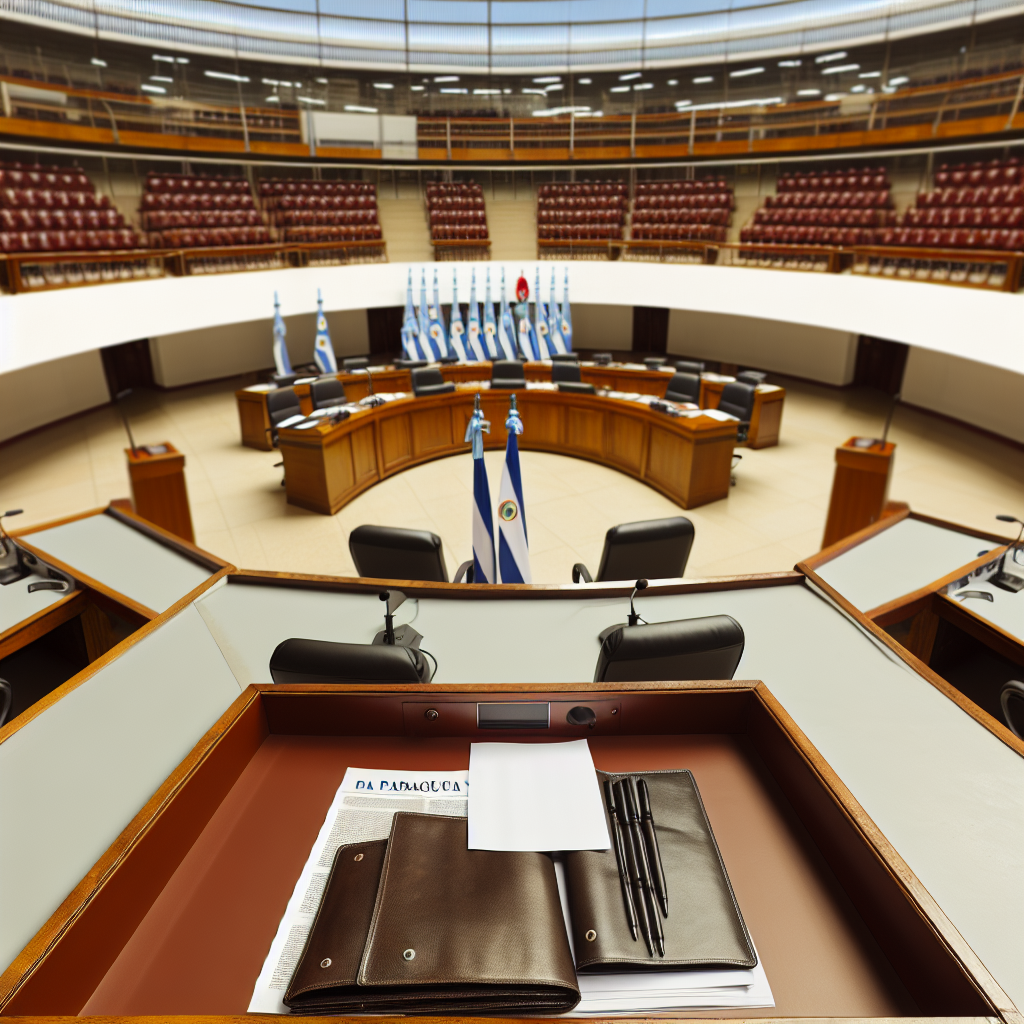
Paraguay, a key player within the Mercosur bloc, is making strides towards economic growth and stability with a series of fiscal reforms. The government's new policy aims to foster a more conducive environment for international business and investments, which may have significant implications for its Mercosur partners.
Over the past years, Paraguay's government has been focusing on reducing fiscal deficits while maintaining sustainable economic growth. The new policy changes are expected to streamline tax structures, improve public spending efficiency and encourage foreign direct investment. While the specifics of the reform are yet to be fully disclosed, it is evident that these changes aim to boost the country's economic resilience and competitiveness.
The reforms could potentially bolster Paraguay's role within Mercosur, the South American trade bloc comprising Argentina, Brazil, Paraguay, and Uruguay. Strengthening its economic standing within the bloc could lead to increased trade and investment flows, benefiting both Paraguay and its Mercosur partners.
Analysts suggest that these fiscal changes could provide a more predictable and transparent business environment, attracting more international businesses and investors to Paraguay. This, in turn, may lead to job creation and technological advancement, further stimulating the country's economy.
However, the success of these reforms largely depends on their implementation. The government will have to ensure that the proposed changes are executed effectively and that the benefits are distributed fairly across different sectors of the economy.
In conclusion, Paraguay's fiscal reforms represent a significant step towards economic growth and stability. While the potential business implications are promising, much will depend on how the reforms are implemented and received by the international business community.