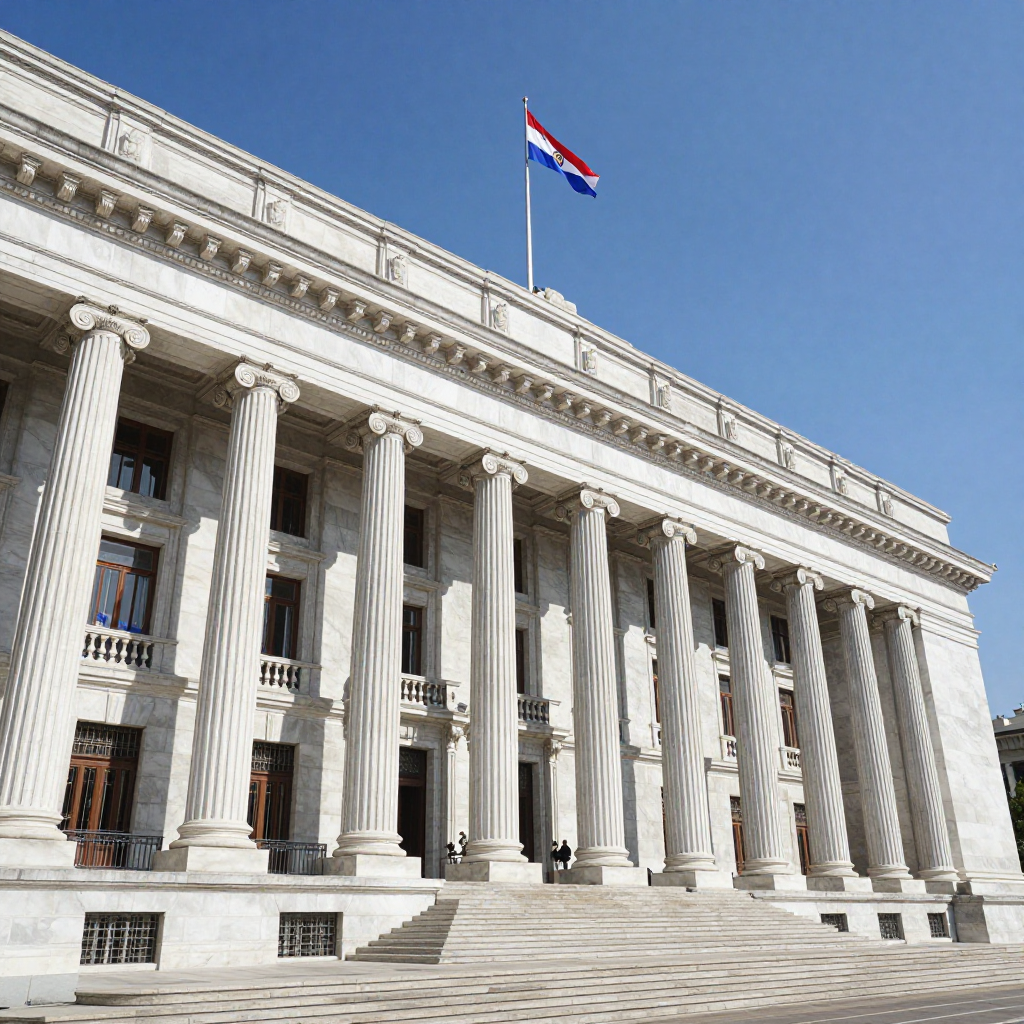
In recent months, Paraguay has seen a shift in its political landscape, with the government prioritizing economic reforms aimed at attracting foreign investment and strengthening regional trade ties within Mercosur. These changes have sparked both optimism and concern among business circles, as the country seeks to navigate a complex economic environment.
The current administration has emphasized the importance of diversifying Paraguay's economy, which has historically relied heavily on agricultural exports. Officials have proposed policies to support the growth of manufacturing and services sectors, with the goal of reducing dependence on raw material exports. However, analysts suggest that the success of these initiatives will depend on the stability of the political environment and the implementation of concrete measures.
One of the key challenges facing the government is the need to balance fiscal responsibility with the demands of a growing private sector. Recent legislative proposals have focused on improving infrastructure, streamlining regulatory processes, and enhancing access to credit for small and medium-sized enterprises. These measures are seen as crucial for fostering economic growth and competitiveness in the region.
The political climate in Paraguay has also influenced business decisions, with some companies delaying investments due to uncertainty over policy directions. However, the government has signaled its commitment to creating a more favorable business environment, particularly through its participation in Mercosur initiatives. This regional cooperation is viewed as a potential avenue for expanding trade opportunities and attracting foreign direct investment.
International business observers note that Paraguay's economic strategy will be closely watched, not only for its domestic implications but also for its impact on regional trade dynamics. As the country continues to navigate these challenges, the focus remains on achieving sustainable growth while maintaining political stability.