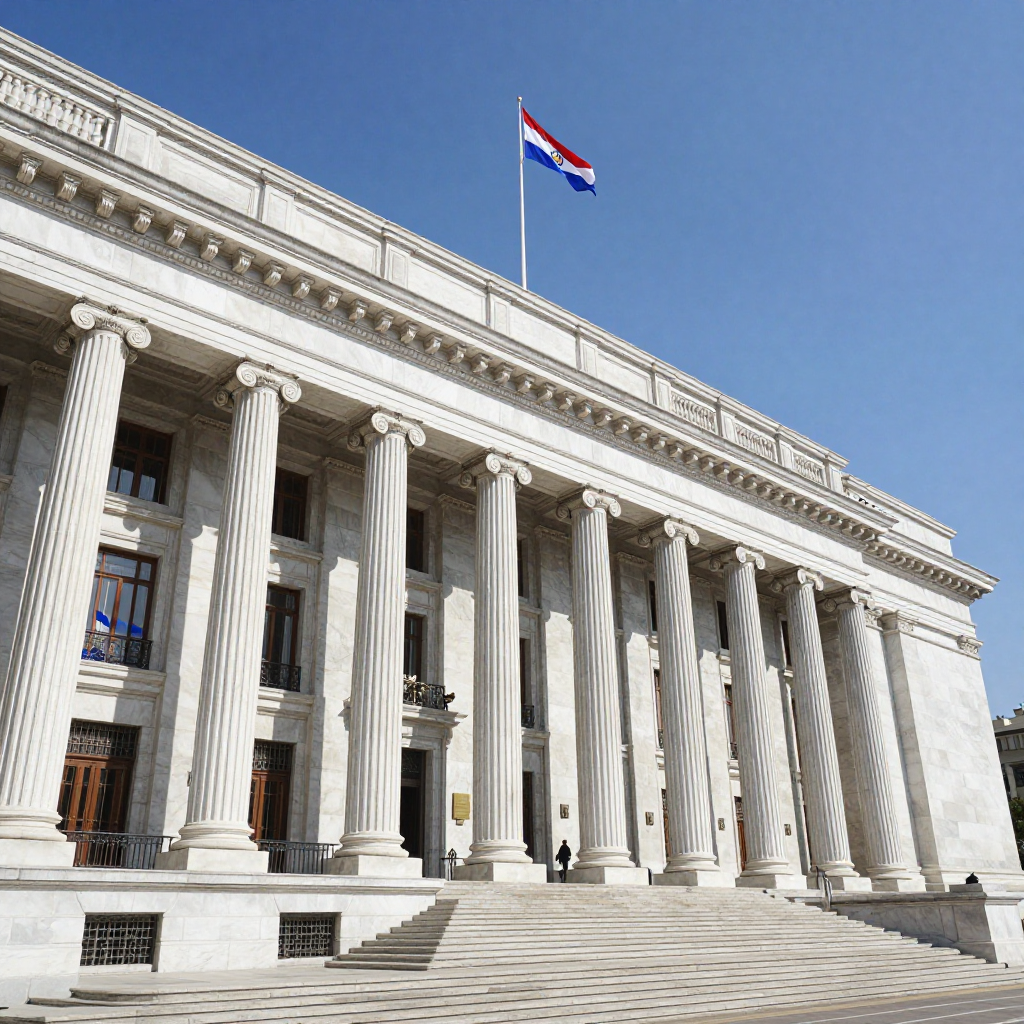
In a bid to strengthen its economic outlook, Paraguay's government has introduced a series of policy reforms aimed at improving the business environment and attracting foreign investment. The reforms, which include measures to simplify administrative procedures and reduce bureaucratic hurdles, were approved by the National Congress in late 2024. These changes are part of a broader strategy to integrate more deeply into regional trade networks, particularly within Mercosur, the South American trade bloc.
The legislation focuses on key areas such as tax incentives for small and medium-sized enterprises (SMEs), enhanced customs procedures for import and export activities, and improved transparency in public procurement processes. These measures are designed to create a more predictable and stable regulatory environment, which is crucial for attracting international investors. Analysts suggest that these reforms could position Paraguay as a more competitive player in the regional market, particularly in sectors such as agriculture, manufacturing, and services.
The government's approach has been met with cautious optimism from business leaders. While some express confidence in the potential benefits of the reforms, others caution that the success of these policies will depend on their implementation and the stability of the broader economic climate. Paraguay's economy, which relies heavily on agricultural exports and regional trade, faces challenges such as inflation and currency fluctuations. However, the reforms could help mitigate some of these risks by fostering a more business-friendly environment.
The National Congress, which played a pivotal role in passing the reforms, has emphasized its commitment to economic development and regional integration. The government has also pledged to work closely with Mercosur partners to align its policies with regional standards and enhance trade opportunities. These efforts are expected to have a positive impact on Paraguay's economic growth and its attractiveness to foreign investors.
As the reforms take effect, the focus will shift to monitoring their implementation and assessing their impact on the business sector. For international businesses considering investment in Paraguay, the changes represent a significant step toward a more favorable operating environment.