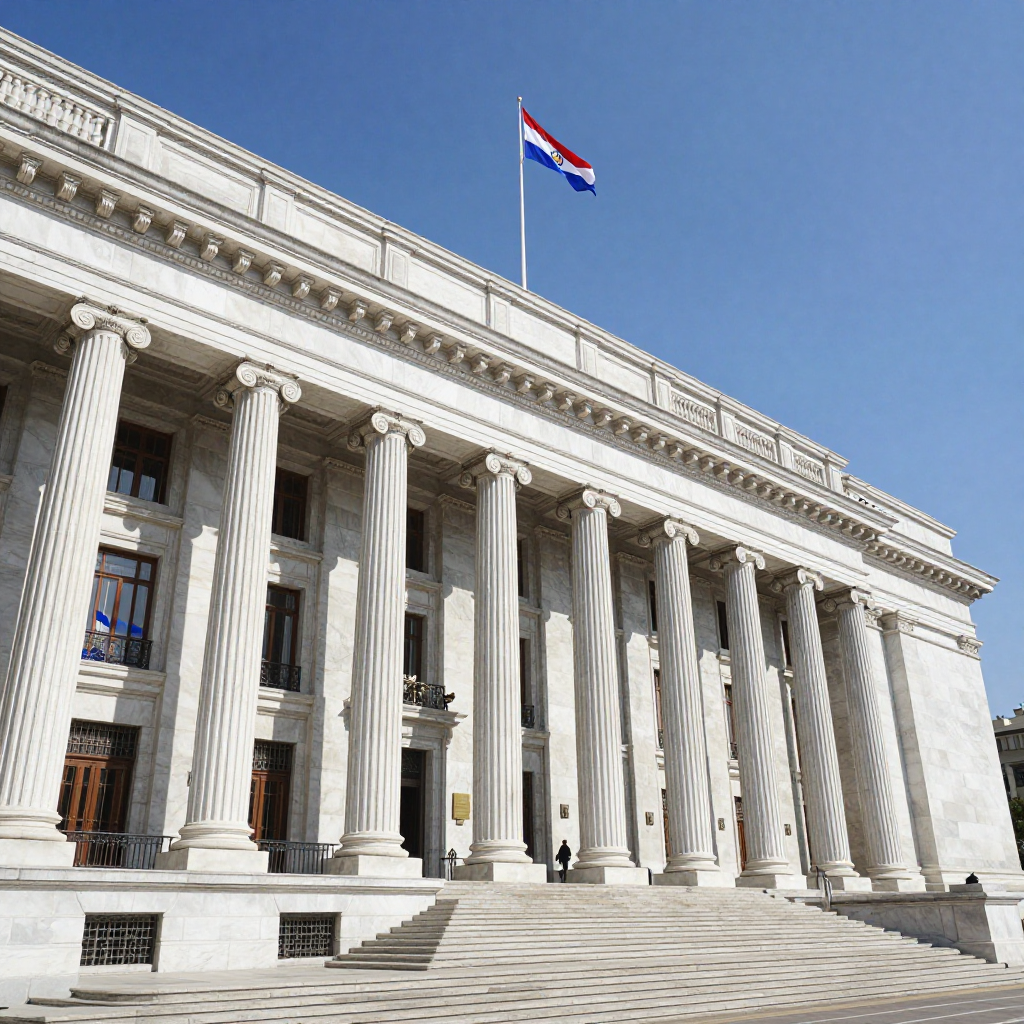
In recent months, the Paraguayan government has taken several steps aimed at stabilizing the economy and fostering business growth. These measures include reforms to tax policies, improved trade relations within Mercosur, and efforts to attract foreign investment. The government's focus on economic stability has been a key priority, with officials emphasizing the need for structural reforms to support long-term growth.
The legislative agenda has seen the introduction of new proposals aimed at simplifying business regulations and reducing bureaucratic hurdles. These changes are intended to make it easier for both domestic and foreign companies to operate within Paraguay. Analysts suggest that these reforms could enhance the country's competitiveness in the regional market, particularly within Mercosur, where Paraguay plays a significant role.
One of the most notable developments has been the government's commitment to strengthening trade ties with neighboring countries. Recent discussions with Argentina and Brazil have highlighted the potential for increased regional cooperation, which could lead to new trade agreements and economic opportunities. These efforts align with Paraguay's broader strategy to integrate more deeply into the Latin American market.
The business community has responded positively to these developments, with many companies expressing optimism about the potential for growth. However, some caution that the success of these reforms will depend on the government's ability to implement them effectively. The private sector is closely watching the outcomes of these policies, as they could have significant implications for investment and economic activity.
As Paraguay continues to navigate its economic challenges, the focus on reform and regional integration remains central to its strategy. The coming months will be crucial in determining whether these efforts translate into tangible benefits for the business community and the broader economy.