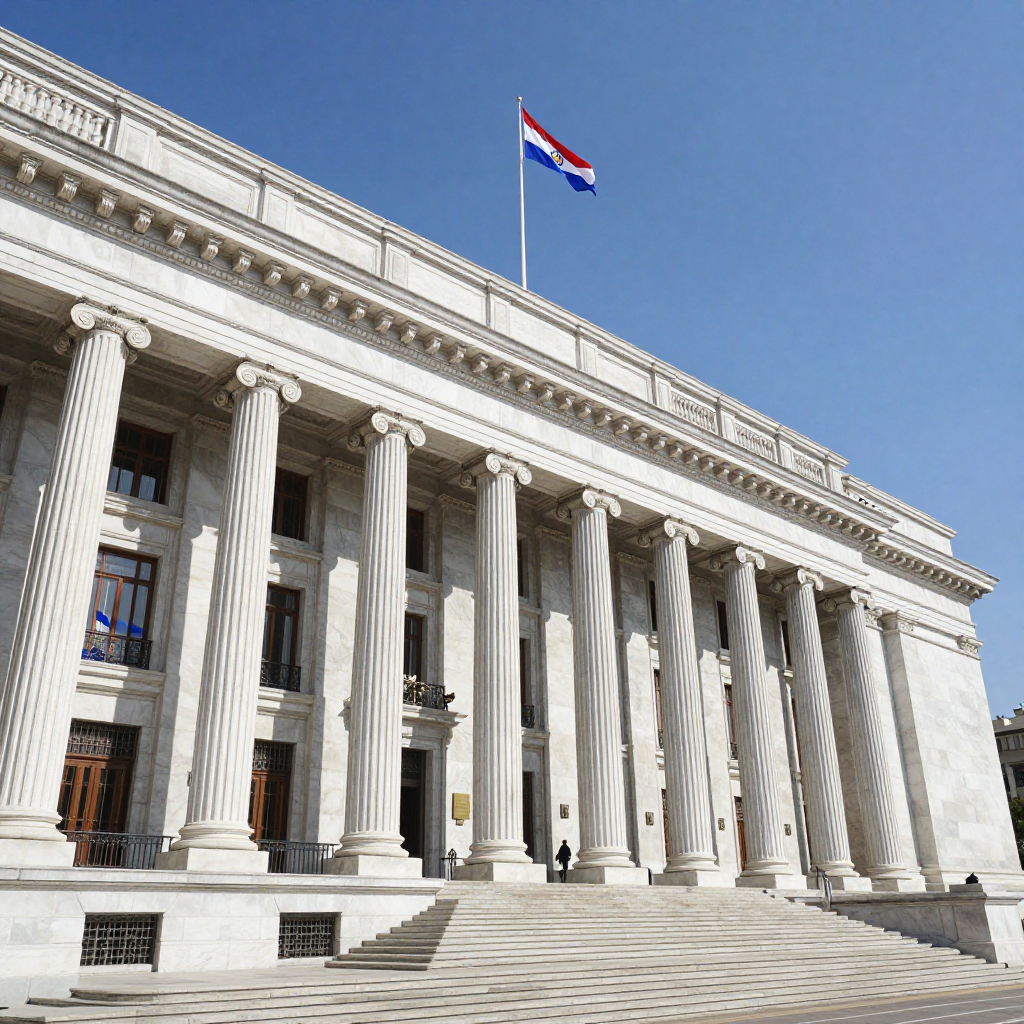
Paraguay's government has recently introduced a series of economic reforms aimed at improving the business environment and attracting foreign investment. The measures, which include simplifying regulatory processes and reducing bureaucratic hurdles, have been met with cautious optimism by business leaders and analysts. These changes are part of a broader strategy to position Paraguay as a more competitive player within Mercosur and the global market.
The reforms, outlined in a recent legislative package, focus on streamlining procedures for business registration, tax compliance, and trade facilitation. By reducing the administrative burden on businesses, the government hopes to encourage both domestic and international investment. Analysts suggest that these changes could lead to increased economic activity and job creation, particularly in key sectors such as agriculture, manufacturing, and services.
The legislative changes were approved by Paraguay's Congress in late 2024, following months of deliberation and consultations with business groups. The government has emphasized the importance of creating a more predictable and transparent regulatory framework to foster long-term economic growth. This approach aligns with broader regional trends within Mercosur, where member states are increasingly focusing on economic integration and trade liberalization.
While the reforms are seen as a positive step, some business leaders caution that implementation will be critical. They highlight the need for consistent enforcement of new regulations and the provision of adequate support for small and medium-sized enterprises. The government has pledged to monitor the impact of the reforms and make adjustments as necessary.
International business observers note that Paraguay's efforts to improve its economic landscape could enhance its attractiveness to foreign investors. With its strategic location in South America and a growing workforce, the country is well-positioned to benefit from these reforms. However, sustained economic growth will depend on continued political stability and effective policy execution.