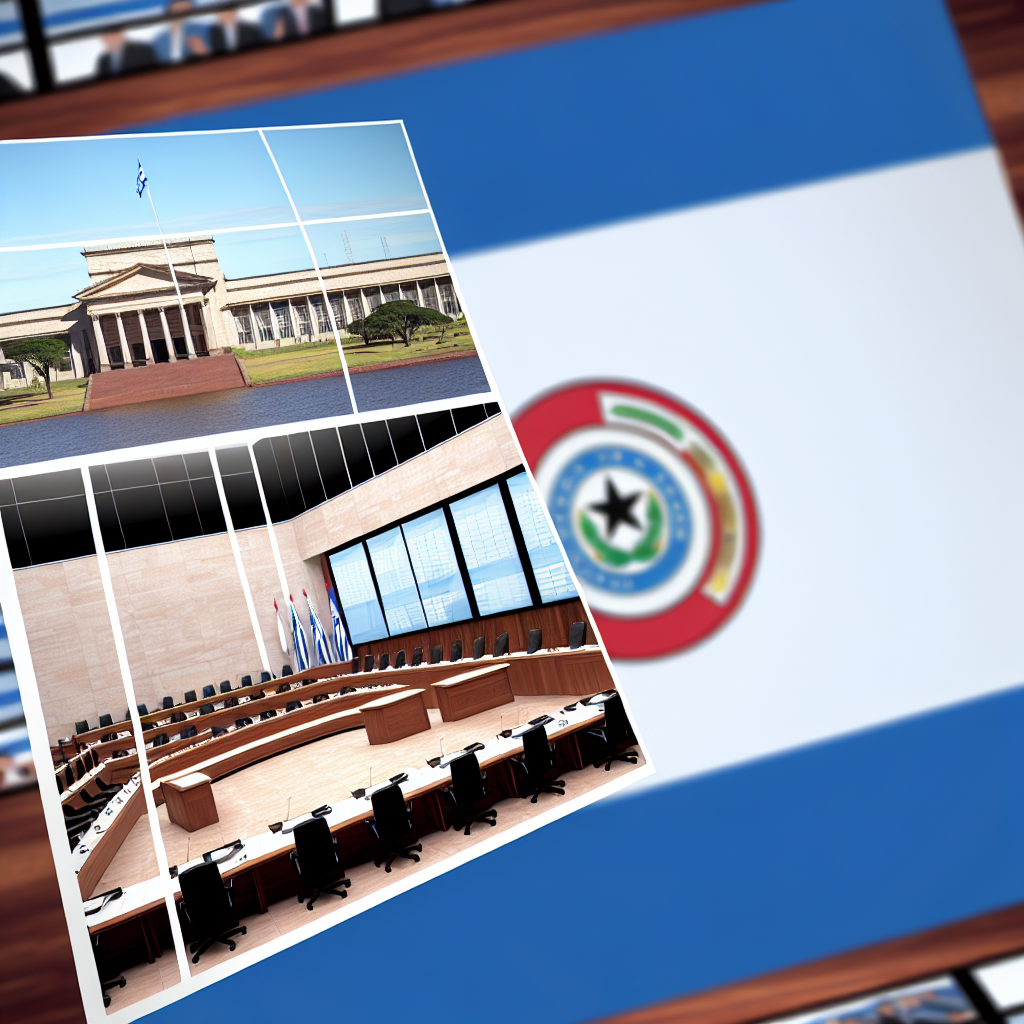
As one of the lesser-known members of Mercosur, Paraguay often flies under the international business radar. But recent policy shifts are making this landlocked nation an increasingly attractive destination for foreign investment. The government's focus on fiscal stability, economic diversification, and regional integration are collectively creating a favorable business environment. Analysts suggest that these developments could further enhance Paraguay's standing within the Mercosur bloc and the broader international community.
Historically, Paraguay's economy was largely reliant on agriculture. However, the government has been making concerted efforts to diversify the economy by encouraging investments in manufacturing, service sectors, and technology. This move not only reduces the country's vulnerability to agricultural market volatilities but also opens up new avenues for international businesses.
Fiscal stability is another key area of focus for Paraguay. The government has been implementing policies aimed at maintaining a low inflation rate and a manageable fiscal deficit. These prudent economic policies could be an added advantage for businesses looking for stable investment destinations.
Paraguay's strategic location within the Mercosur bloc adds to its appeal. The country's robust river transport system provides access to Atlantic and Pacific ports, making it a key logistics hub in the region. The government's commitment to regional integration is expected to further enhance this advantage.
However, challenges remain. Paraguay's business environment is still characterized by bureaucratic red tape and a lack of transparency. The government's efforts to address these issues will be crucial in attracting more foreign investment.
In conclusion, Paraguay's government policy shifts are creating a more favorable environment for international businesses. As the country continues to focus on fiscal stability and diversification, it could become an increasingly attractive destination for foreign investment. However, sustained efforts to enhance transparency and streamline bureaucratic processes will be key to realizing this potential.