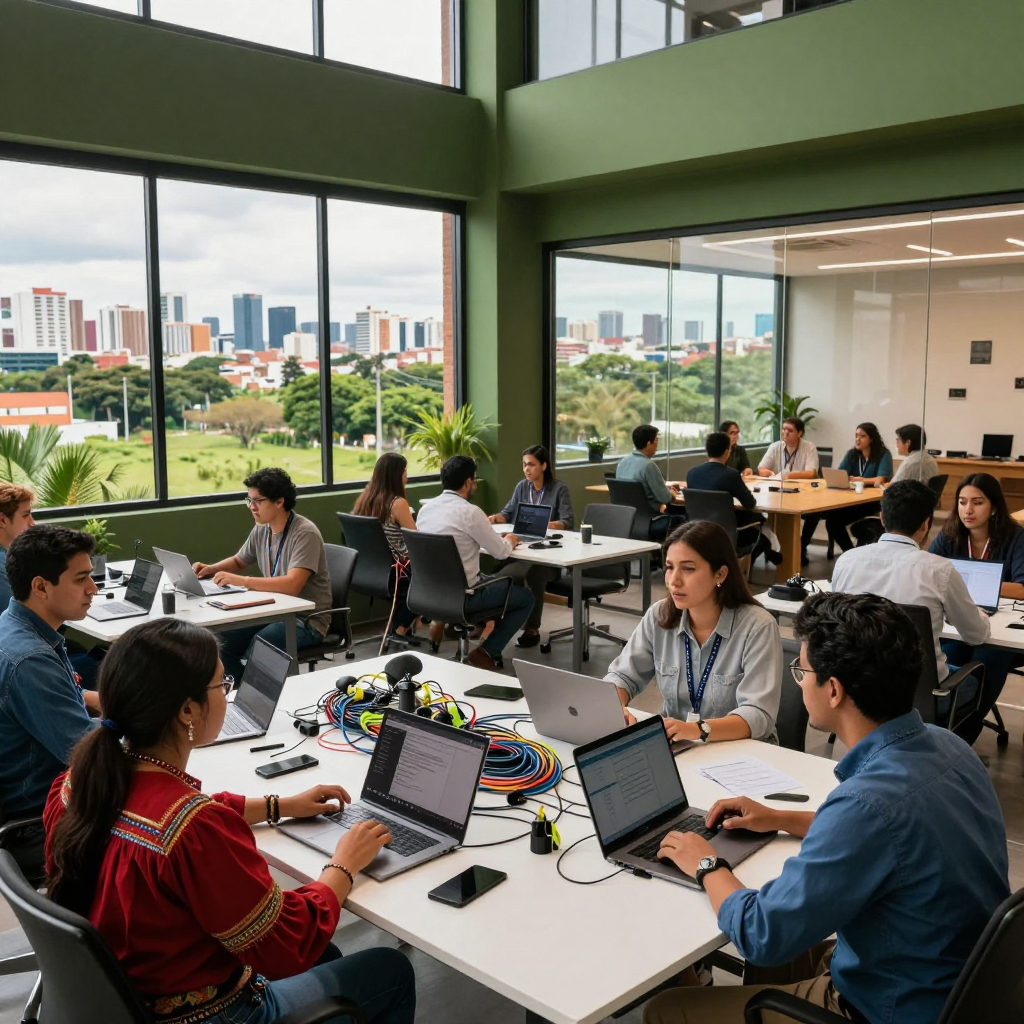
Asunción, Paraguay – In the heart of South America, Paraguay is gradually embracing technological advancements aimed at transforming its business landscape. This digital journey is not only reshaping local industries but also positioning Paraguay as a potential hub for tech startups and innovation within the Mercosur region. However, the path toward comprehensive digital adoption is marked by both opportunities and significant challenges.
Paraguay's economy, traditionally reliant on agriculture and hydroelectric power, is now seeking to diversify through digital technologies. The government has introduced initiatives focused on improving internet connectivity and promoting digital literacy across various sectors. According to recent reports from the Ministry of Industry and Commerce, investments in telecommunications infrastructure have increased over the past three years, aiming to reduce connectivity gaps in rural areas and improve broadband access in urban centers. These efforts are crucial for attracting foreign direct investment (FDI) in technology-driven projects.
The private sector has also taken note of these changes. Local tech startups are emerging, leveraging Paraguay’s strategic position within Mercosur to serve not just domestic markets but also neighboring countries like Brazil, Argentina, and Uruguay. One notable example is the rise of fintech companies focusing on mobile banking solutions, which cater to the growing demand for financial inclusion in underserved regions. These startups often partner with established regional banks, creating a symbiotic relationship that aligns with Mercosur’s emphasis on economic integration.
However, the road to widespread digital adoption is not without obstacles. Paraguay continues to grapple with inadequate telecommunications infrastructure, particularly in remote areas, where internet penetration remains low compared to regional averages. This disparity poses a significant barrier to businesses aiming to scale their operations. Moreover, digital literacy among the workforce remains a challenge, as many businesses still rely on traditional methods due to a lack of skills and knowledge required for adopting new technologies.
Analysts suggest that overcoming these hurdles will require sustained public-private collaboration, specifically targeting rural electrification and education reforms. The adoption of digital technologies could unlock new revenue streams for Paraguay, especially in sectors like e-commerce, logistics, and renewable energy, all of which are seeing increased global investment. Furthermore, Paraguay’s membership in Mercosur provides it with unique opportunities to benefit from regional technological exchanges and policy frameworks designed to support digital economies.
In conclusion, while Paraguay’s move towards digital transformation is showing promise, it remains a work in progress. The country’s ability to capitalize on its geographic and political advantages within Mercosur depends heavily on addressing existing infrastructural and educational gaps. As businesses continue to explore the potential of digital innovation, Paraguay finds itself at a critical juncture, poised to either seize new opportunities or risk being left behind in the rapidly evolving global tech landscape.