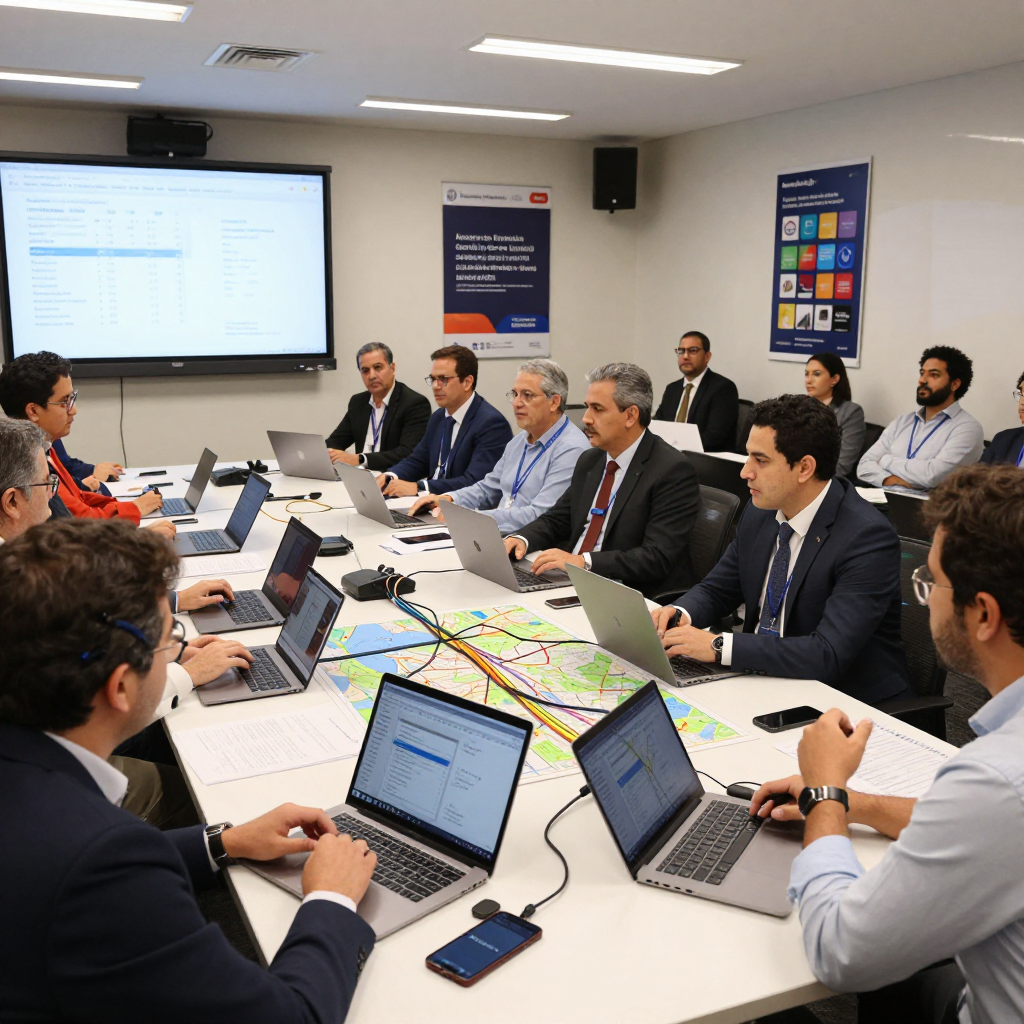
Asunción, Paraguay – In recent years, Paraguay has been increasingly focused on leveraging technology to drive economic growth and improve efficiency across sectors. With support from both public and private entities, the country is making strides in areas such as telecommunications infrastructure, tech startup development, and digital policy reforms. However, as it navigates this digital transition, Paraguay faces several challenges, including uneven access to broadband services, a skills gap in the workforce, and the need for regulatory clarity.
**Digital Infrastructure Expansion**: One of the most visible aspects of Paraguay’s digital transformation is the expansion of telecommunications infrastructure. Recent investments in fiber-optic networks and mobile broadband have aimed to bridge the digital divide between urban centers like Asunción and rural areas. According to estimates from the National Telecommunications Commission, internet penetration rates have risen steadily over the past five years, though they remain below regional averages. Analysts suggest that sustained investment in connectivity could unlock new opportunities for SMEs and attract foreign direct investment (FDI) in sectors reliant on robust digital infrastructure.
**Emergence of Tech Startups**: Paraguay’s startup ecosystem is gaining momentum, albeit from a relatively low base compared to neighboring countries. Initiatives such as the Paraguayan Innovation Hub and government-backed incubators are providing resources for entrepreneurs to develop innovative solutions in fintech, e-commerce, and agritech. These startups are not only creating jobs but also demonstrating potential to address local challenges, such as improving access to financial services in underserved regions. While early-stage ventures face hurdles like limited venture capital availability, international investors are beginning to take notice of Paraguay’s nascent tech scene.
**Policy Framework and Regulatory Hurdles**: To support its digital ambitions, Paraguay has introduced several policy measures, including the National Digital Strategy 2020–2025, which outlines goals for digital inclusion and innovation. However, regulatory uncertainties and bureaucratic processes can deter investment. For instance, data privacy concerns and unclear regulations around e-commerce taxation have raised questions among businesses. Addressing these issues through transparent dialogue with stakeholders will be crucial for maintaining investor confidence.
**Regional Context and Opportunities**: As a member of Mercosur, Paraguay benefits from both the economic ties and the shared challenges faced by the bloc. The region’s growing focus on digital integration provides Paraguay with opportunities to align its policies with those of larger economies like Brazil and Argentina, potentially leading to trade synergies and cross-border collaborations. Furthermore, Paraguay’s strategic position as a gateway to South America could position it as a hub for regional tech initiatives and FDI targeting the Mercosur market.
**Conclusion**: While Paraguay’s journey toward digital transformation is still in its early stages, the groundwork laid through infrastructure development, startup support, and policy reform indicates progress. As the country navigates the complexities of modernizing its economy, continued collaboration between the public and private sectors will be essential. For international investors, Paraguay presents a frontier market with untapped potential, offering opportunities alongside the challenges inherent in such developmental phases.