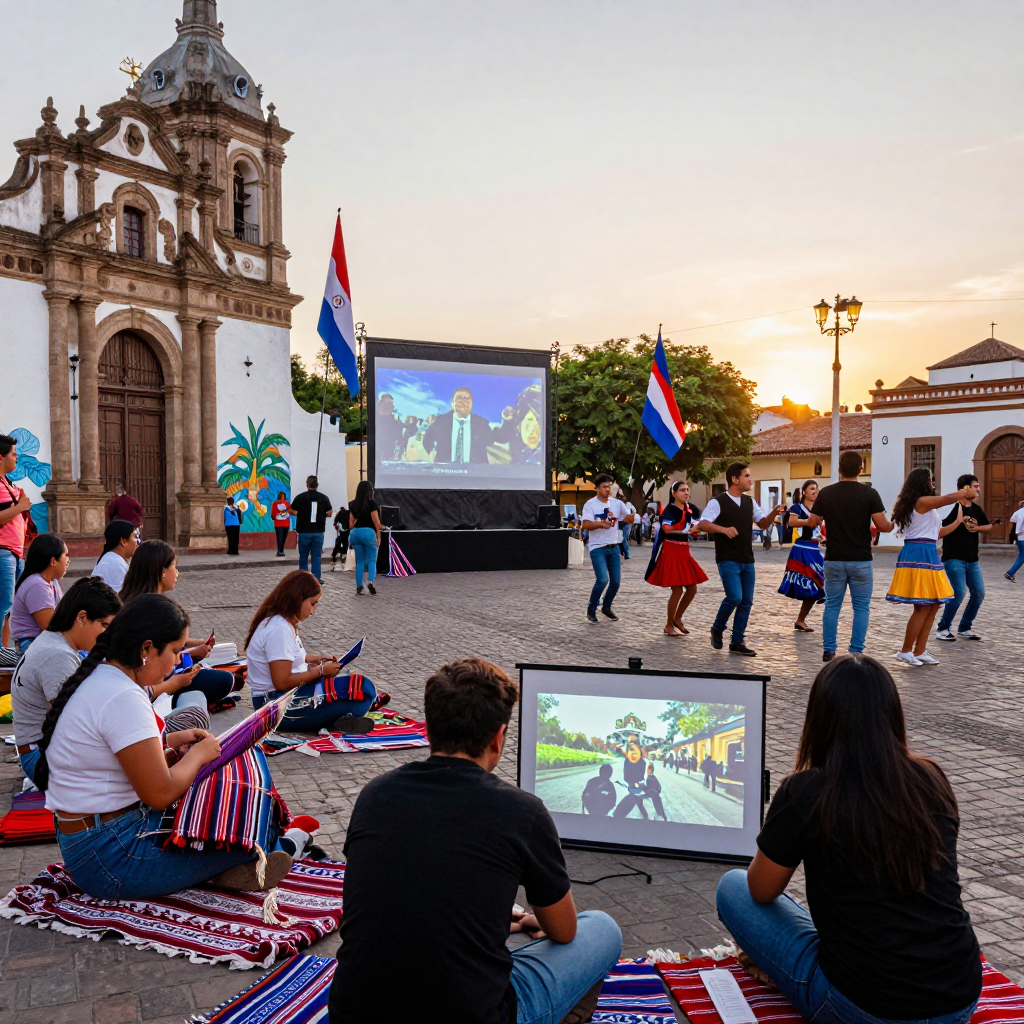
In recent years, Paraguay has been experiencing a significant cultural revival that is reshaping its image both domestically and internationally. This resurgence is not just about preserving traditional arts and history; it is also about integrating modern narratives into Paraguay’s cultural landscape, which could have profound implications for its economic trajectory and international standing.
The foundation of this cultural movement lies in the country's rich historical tapestry, including indigenous heritage and Spanish colonial influences. However, what sets this period apart is the active promotion of contemporary art forms such as digital media, modern dance, and innovative music festivals that attract both local talent and global audiences. Events like the Asunción International Film Festival and the growing number of art expos are drawing attention from international investors and cultural institutions, positioning Paraguay as a dynamic hub within South America.
From a business perspective, Paraguay's cultural development aligns with broader regional trends in Mercosur, where countries are increasingly leveraging soft power to enhance trade relations and attract foreign investment. By emphasizing its unique cultural attributes, Paraguay is differentiating itself in a market that is often overshadowed by larger economies like Brazil and Argentina. This distinction can open doors for businesses seeking to position themselves in niche markets or establish cultural tourism initiatives.
The government has recognized the economic potential of this cultural renaissance and has begun investing in infrastructure to support creative industries. Initiatives such as tax incentives for artists, cultural exchange programs with neighboring countries, and the establishment of cultural innovation zones are signaling a strategic shift toward fostering creativity and entrepreneurship. These efforts are not only boosting local economies but also creating new avenues for collaboration with international firms interested in sustainability and cultural preservation.
Analysts suggest that Paraguay’s focus on cultural development could lead to increased bilateral agreements focused on cultural exchanges and joint ventures in sectors such as tourism, film production, and culinary arts. Such collaborations could help diversify Paraguay’s economy, reduce dependency on traditional exports, and strengthen its presence in Mercosur and beyond. While challenges remain, including funding constraints and the need for more robust intellectual property protection, the momentum behind Paraguay’s cultural movement suggests a promising future that holds significant business opportunities.
In conclusion, Paraguay’s cultural revival is not merely an aesthetic evolution but a strategic move toward enhancing its soft power and economic position. As businesses continue to seek sustainable and culturally resonant investments, Paraguay's blend of tradition and innovation offers a compelling narrative for those interested in partnering with the Mercosur region.