Paraguay, often seen through the lens of its natural beauty and historical significance, is undergoing a cultural renaissance that is increasingly influencing its economic landscape. The government and private sector are collaborating to promote local arts, traditional crafts, and indigenous heritage, positioning the country as a unique destination for cultural tourism. This shift is not only preserving Paraguay’s rich cultural identity but also opening new avenues for business investment and international partnerships within the Mercosur region.
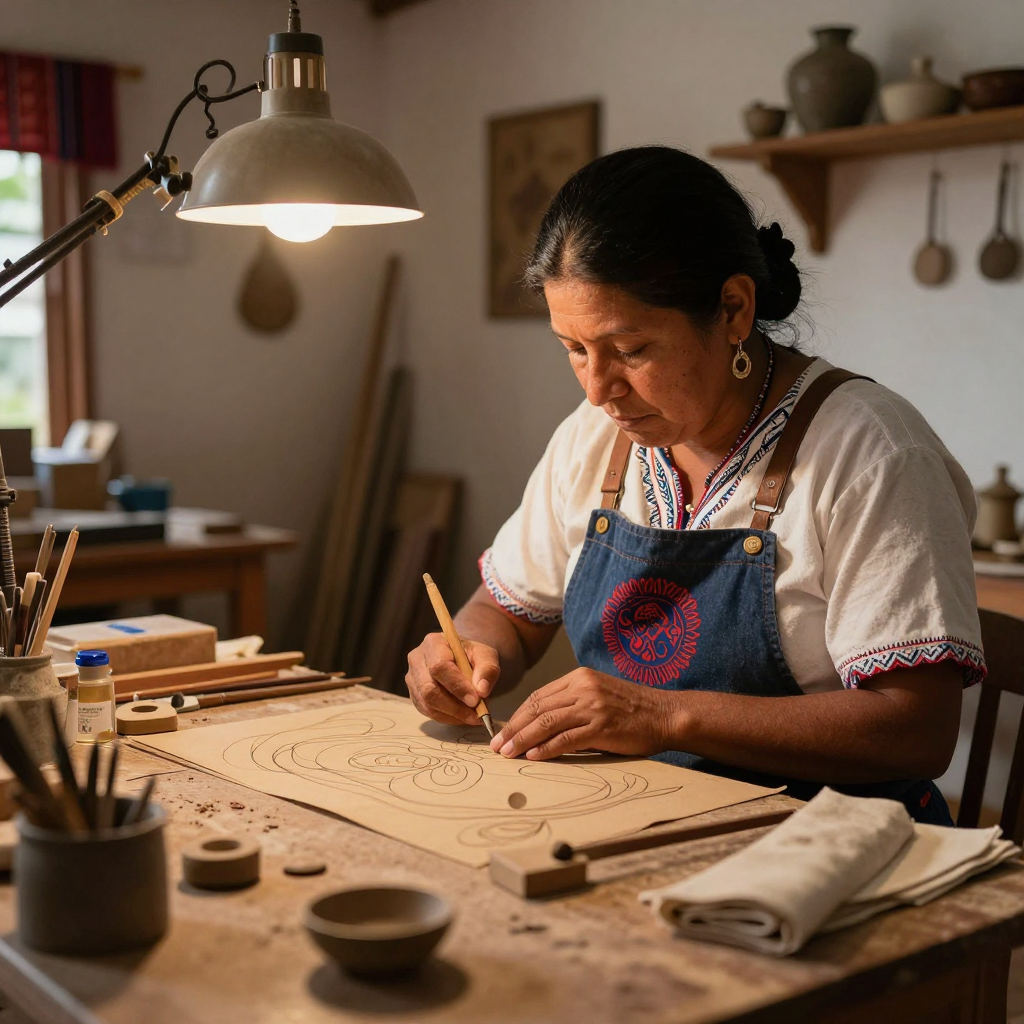
The Ministry of Culture has launched initiatives to support local artists and artisans, particularly in the production of traditional textiles, woodcarving, and indigenous crafts. These efforts are part of a broader strategy to diversify the economy and reduce reliance on agricultural exports. By promoting cultural tourism, Paraguay aims to attract foreign visitors interested in experiencing its unique heritage, thereby generating revenue and creating jobs. According to recent reports, cultural tourism has shown a steady increase in visitor numbers, with a 12% growth in the first half of 2024 compared to the previous year.
Local businesses are also capitalizing on this trend by developing cultural experiences that cater to both domestic and international tourists. From traditional folk music performances to guided tours of indigenous communities, these offerings provide a deeper connection to Paraguay’s cultural roots. Additionally, the rise of digital platforms has enabled Paraguayan artists to reach global audiences, further enhancing the country’s cultural exports.
Analysts suggest that this cultural renaissance could have long-term implications for Paraguay’s economy. By fostering creativity and innovation, the country is not only preserving its heritage but also creating a more resilient and diversified economic base. As Mercosur continues to emphasize regional integration and cultural exchange, Paraguay’s efforts in this area could serve as a model for other member states. The government is now exploring ways to further integrate cultural development into broader economic strategies, ensuring that the benefits of this renaissance are felt across all sectors of society.