Paraguay, often seen as a land of contrasts, is undergoing a cultural renaissance that is beginning to influence its economic landscape. The country’s rich indigenous heritage, combined with a growing emphasis on cultural preservation and modern creativity, is attracting both local and international attention. This shift is not only boosting tourism but also opening new avenues for business investment in the cultural and creative sectors.
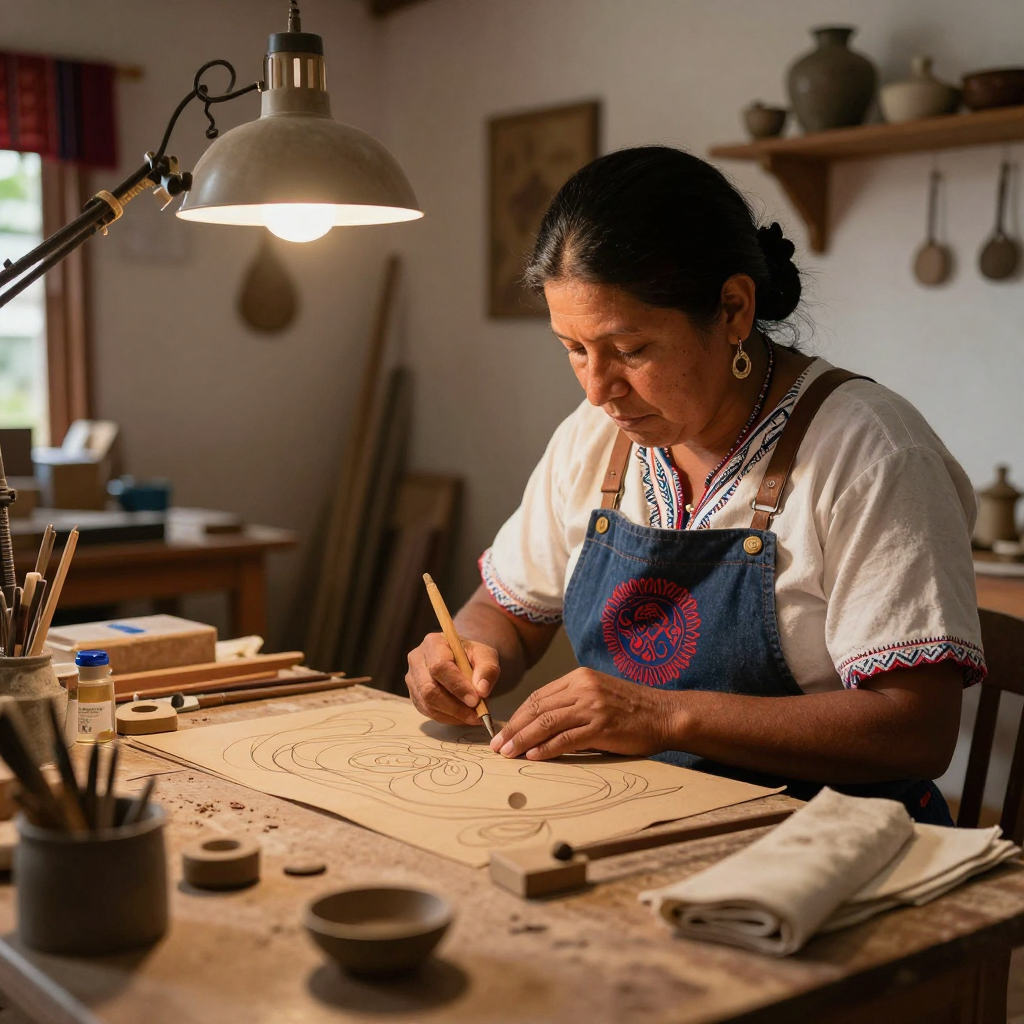
The government has been promoting initiatives aimed at reviving traditional arts, including indigenous crafts, music, and dance. These efforts are part of a broader strategy to position Paraguay as a cultural hub within the Mercosur region. By investing in cultural infrastructure and supporting local artisans, the government is creating a more vibrant cultural environment that can serve as a foundation for economic development.
The cultural renaissance is also contributing to the growth of the tourism industry, which has long been a key sector for Paraguay’s economy. With increased cultural events, festivals, and heritage sites being promoted, the country is becoming more attractive to international tourists. This, in turn, is generating additional revenue and creating jobs in the hospitality and service sectors.
Businesses are beginning to recognize the potential of the cultural sector as a driver of economic growth. Companies are investing in cultural tourism ventures, such as boutique hotels, cultural tours, and artisan cooperatives. These ventures not only support local communities but also enhance the country’s global image as a destination with a unique cultural identity.
Analysts suggest that the cultural renaissance could play a significant role in attracting foreign direct investment (FDI) to Paraguay. By leveraging its cultural assets, the country can differentiate itself in the competitive Mercosur market and attract investors looking for sustainable and culturally rich opportunities.
As Paraguay continues to embrace its cultural heritage while integrating modern innovations, the potential for economic growth and international recognition is expanding. This cultural revival is not just a celebration of the past but a strategic move towards a more dynamic and prosperous future.