Paraguay, often seen through the lens of its rural landscapes and historical significance, is undergoing a cultural renaissance that is increasingly drawing international interest. This transformation is not only enriching the nation’s cultural identity but also opening new avenues for tourism and investment, key drivers of economic growth. As the country continues to embrace its heritage and modernize its creative industries, the potential for business opportunities is becoming more evident to global stakeholders.
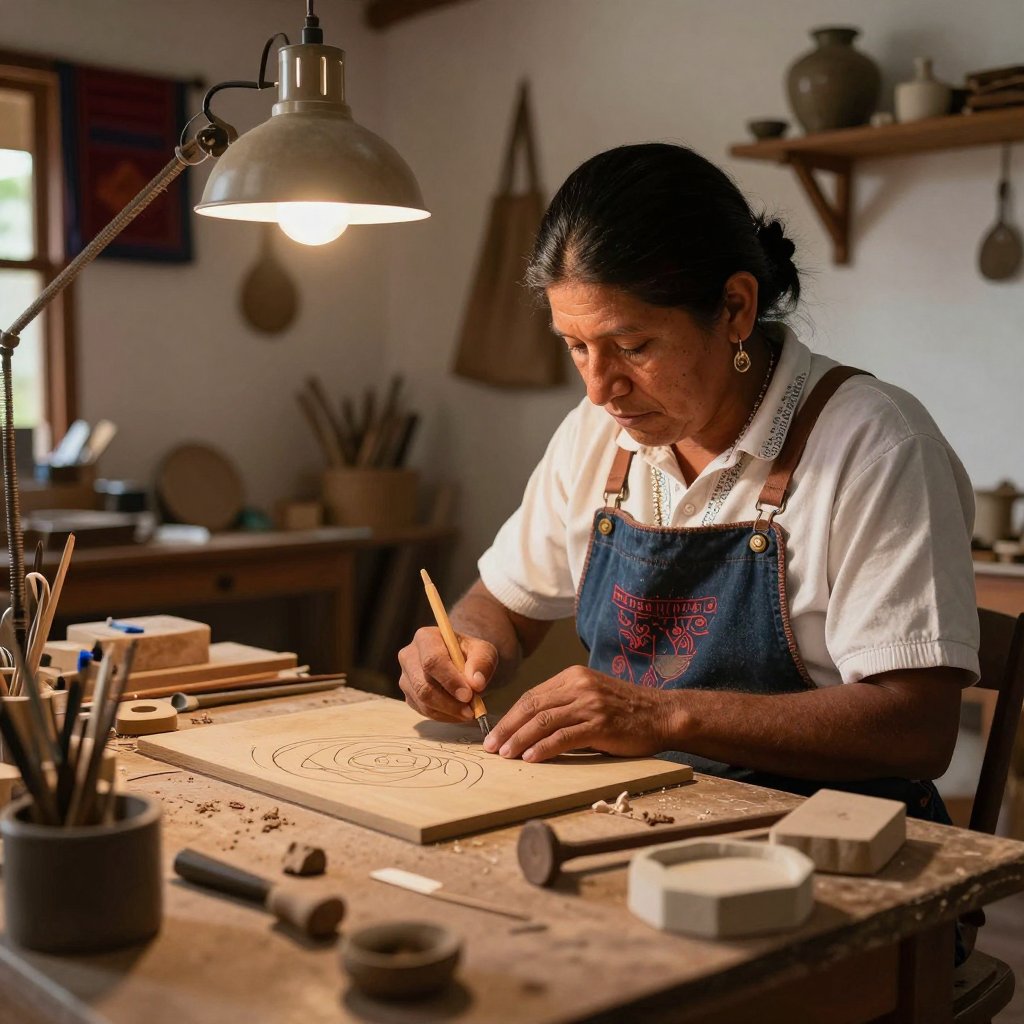
The cultural sector in Paraguay has seen a surge in activity, particularly in the arts, music, and traditional crafts. Initiatives such as the annual Asunción International Book Fair and the National Folklore Festival have gained recognition beyond national borders. These events showcase the rich tapestry of Paraguayan culture, from indigenous traditions to contemporary art, and have become platforms for cultural exchange and collaboration. By investing in these cultural assets, Paraguay is not only preserving its heritage but also creating a more attractive environment for tourists and businesses seeking unique experiences.
The government has recognized the economic potential of the cultural sector and has begun to implement policies aimed at supporting local artists and entrepreneurs. These efforts include funding for cultural projects, tax incentives for creative industries, and the promotion of Paraguay as a cultural hub within Mercosur. Such initiatives are expected to contribute to the country’s economic development by fostering innovation and attracting foreign investment.
Moreover, the growing interest in sustainable tourism is aligning with Paraguay’s cultural and environmental values. Tourists are increasingly seeking destinations that offer authentic experiences and respect for local traditions. This trend presents an opportunity for Paraguay to position itself as a leader in eco-friendly and culturally rich tourism, which could have significant business implications.
As Paraguay continues to evolve, its cultural renaissance is becoming an integral part of its economic strategy. By leveraging its unique cultural assets, the country is not only enhancing its global image but also creating a more dynamic and attractive environment for business and investment.