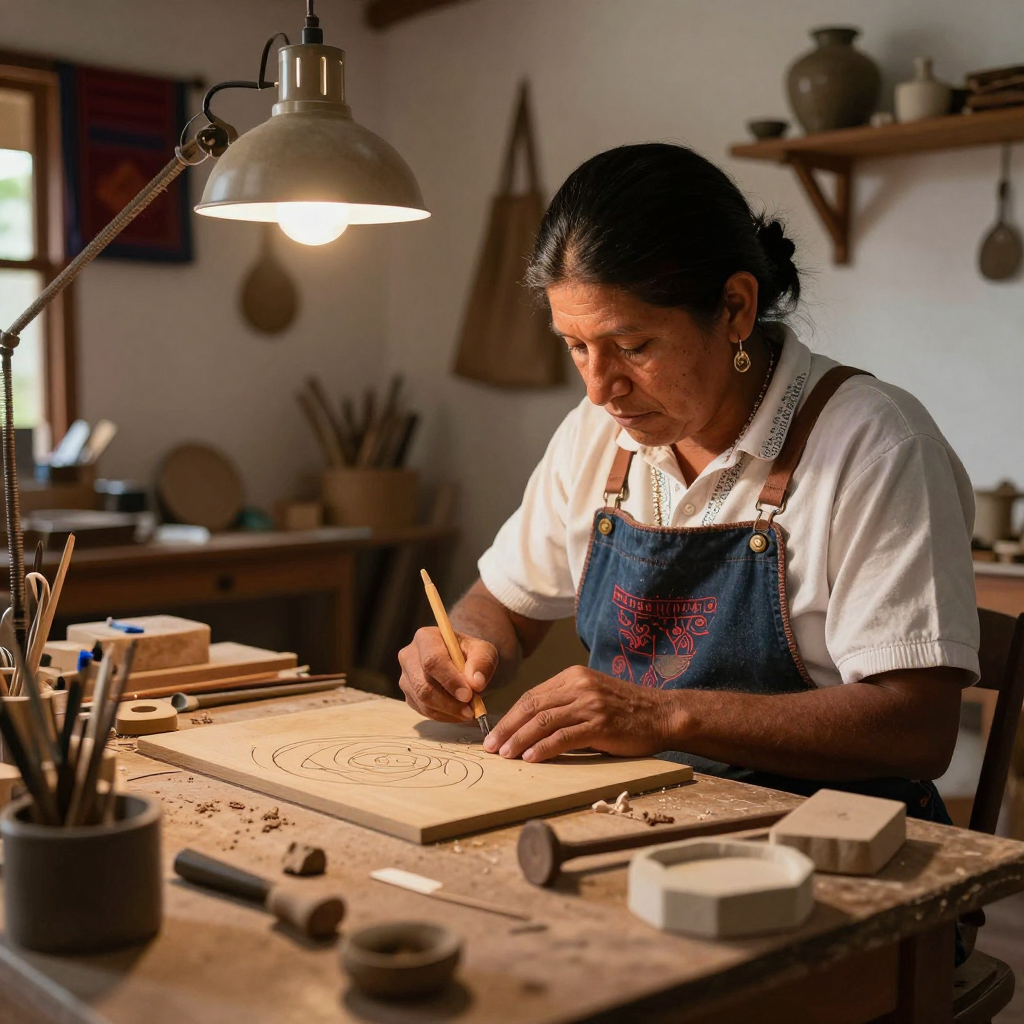
Paraguay, a country often overshadowed by its neighbors in the Southern Cone, is undergoing a cultural renaissance that is drawing both domestic and international interest. This resurgence in cultural expression is being fueled by government initiatives, private sector investments, and a growing appreciation for indigenous and traditional arts. The trend has significant implications for the country's tourism and creative industries, which are key drivers of economic development.
The Paraguayan government has been actively promoting cultural heritage through various programs, including the revitalization of traditional festivals and the support of local artisans. These efforts have not only preserved historical traditions but also created new market opportunities for cultural products. For instance, the promotion of traditional weaving and handicrafts has led to increased exports, particularly to neighboring Mercosur countries. Such developments are crucial for Paraguay's economy, which has long relied on agriculture and natural resources.
In the realm of education, there has been a growing emphasis on integrating cultural studies into school curricula. This shift is helping to cultivate a new generation of young entrepreneurs and artists who are more aware of their cultural heritage and its economic potential. Additionally, the rise of digital platforms has enabled Paraguayan artists to reach global audiences, further expanding market opportunities.
The cultural renaissance is also influencing the business landscape by encouraging innovation in the creative sector. Local businesses are increasingly leveraging Paraguay's rich cultural identity to differentiate their offerings in a competitive market. This includes the development of cultural tourism, which is expected to grow as more international visitors seek authentic experiences.
While challenges remain, including funding and infrastructure, the cultural renaissance in Paraguay presents a unique opportunity for economic diversification. As the country continues to invest in its cultural assets, it is positioning itself as a hub for creativity and innovation within the Mercosur region.