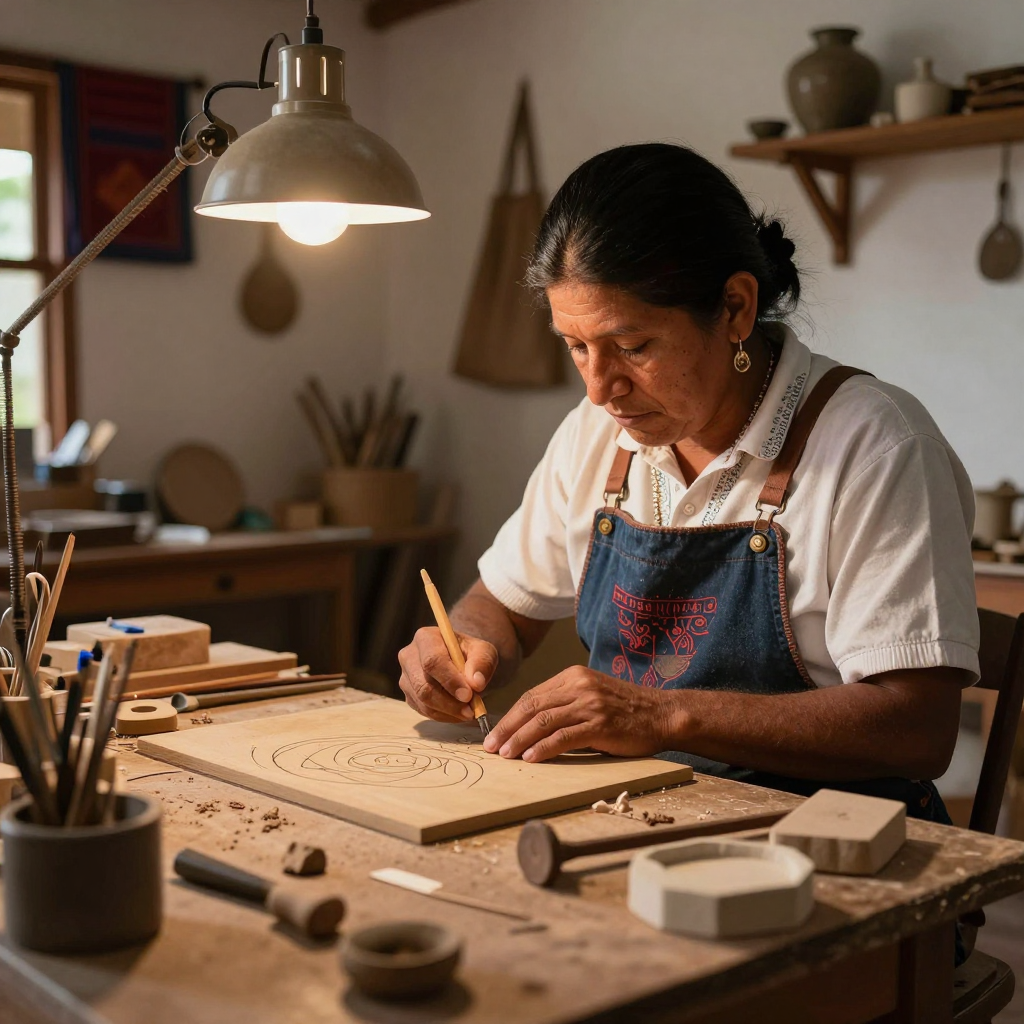
Paraguay, often perceived as a land of vast plains and traditional rural life, is undergoing a cultural renaissance that is increasingly influencing its economy. This transformation is driven by a growing emphasis on preserving and promoting indigenous heritage, contemporary art, and cultural tourism. As the country seeks to diversify its economy beyond traditional agricultural exports, the cultural sector is emerging as a key growth area, particularly in the context of Mercosur regional integration.
The government's recent initiatives to support cultural industries have included funding for local artists, the restoration of historical sites, and the promotion of cultural festivals. These efforts are not only enhancing national identity but also making Paraguay more attractive to international tourists and investors. The country's rich indigenous heritage, particularly among the Guarani people, has become a focal point for cultural tourism, with increasing interest from international visitors seeking authentic experiences.
In the business sector, cultural development is seen as a strategic opportunity to diversify the economy and create new employment opportunities. The tourism industry, which has been growing steadily, is expected to contribute significantly to GDP in the coming years. This growth is supported by improved infrastructure, increased connectivity, and a more favorable business environment for cultural enterprises.
Moreover, Paraguay's participation in Mercosur has facilitated cultural exchanges and collaborations with neighboring countries, further enhancing its cultural profile. This regional integration is helping to position Paraguay as a cultural and economic partner within South America, attracting foreign investment and fostering cross-border cooperation.
As the cultural sector continues to evolve, it is clear that Paraguay is leveraging its unique heritage to drive economic development. While challenges remain, the country's commitment to cultural preservation and innovation suggests a promising future for both its people and its economy.