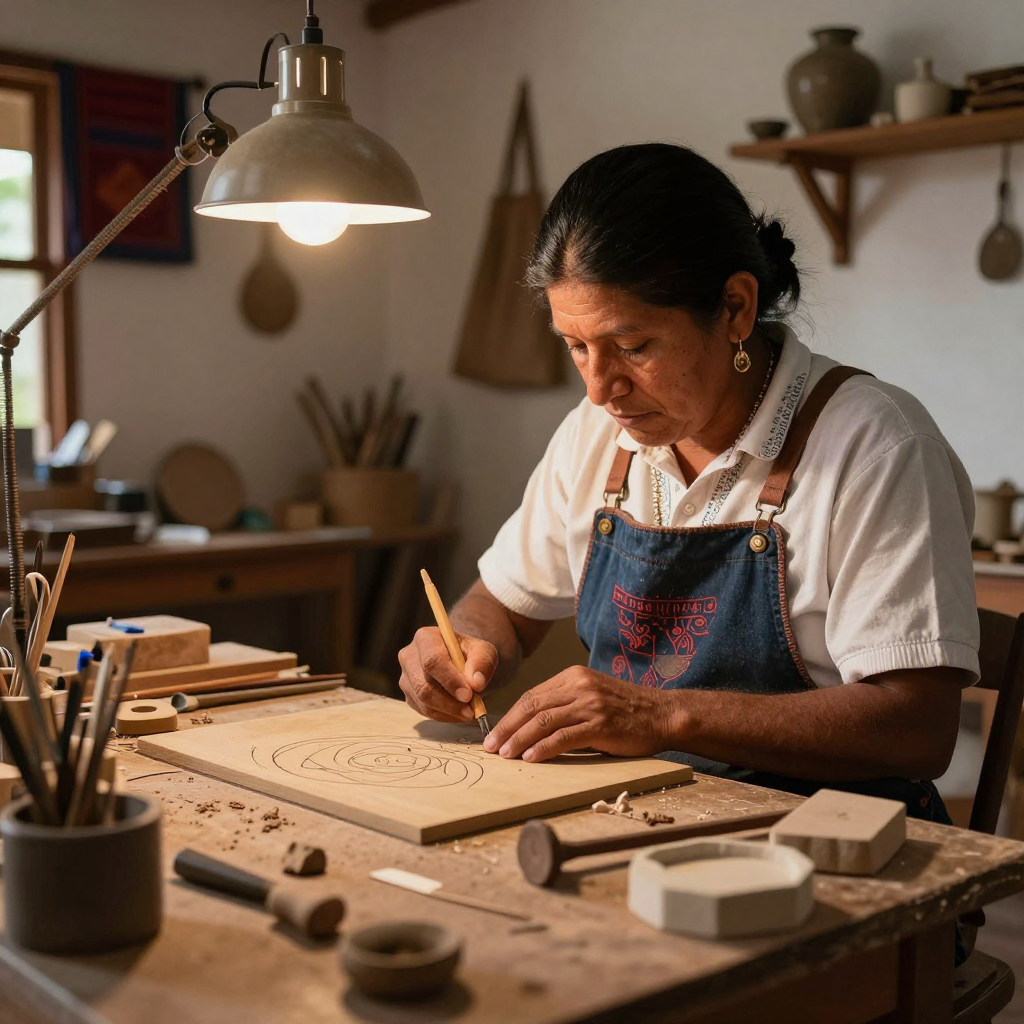
Paraguay, often viewed through the lens of its natural resources and agricultural exports, is undergoing a cultural renaissance that is increasingly shaping its economic landscape. This shift is particularly evident in the arts, education, and lifestyle sectors, which are becoming focal points for both domestic and international investment. As part of the Mercosur trade bloc, Paraguay is leveraging its cultural heritage to enhance its appeal as a destination for business and tourism, aligning with broader regional strategies to diversify economies beyond traditional sectors.
The cultural sector in Paraguay has seen significant growth, driven by government initiatives and private sector engagement. Programs aimed at promoting indigenous art, traditional music, and culinary heritage are gaining traction, supported by both local and international funding. These efforts are not only preserving Paraguay's unique cultural identity but also creating new economic opportunities, particularly in the tourism industry. According to recent reports, the number of international tourists visiting Paraguay has increased steadily over the past few years, with a notable rise in visitors interested in experiencing the country's cultural offerings.
In the education sector, there is a growing emphasis on integrating cultural studies into the curriculum, with a focus on indigenous languages and historical narratives. This approach is seen as a way to foster national pride and attract students from neighboring countries, contributing to the development of a skilled workforce that can support the growing creative industries. Additionally, Paraguay's universities are increasingly collaborating with international institutions to enhance research and innovation in cultural studies, further positioning the country as a hub for cultural and educational exchange.
The lifestyle sector is also evolving, with a focus on sustainable and community-based tourism. This trend aligns with global movements towards eco-conscious travel, making Paraguay an attractive destination for environmentally aware consumers. As the country continues to invest in cultural and educational infrastructure, it is well-positioned to capitalize on these opportunities, contributing to long-term economic growth and regional integration within Mercosur.