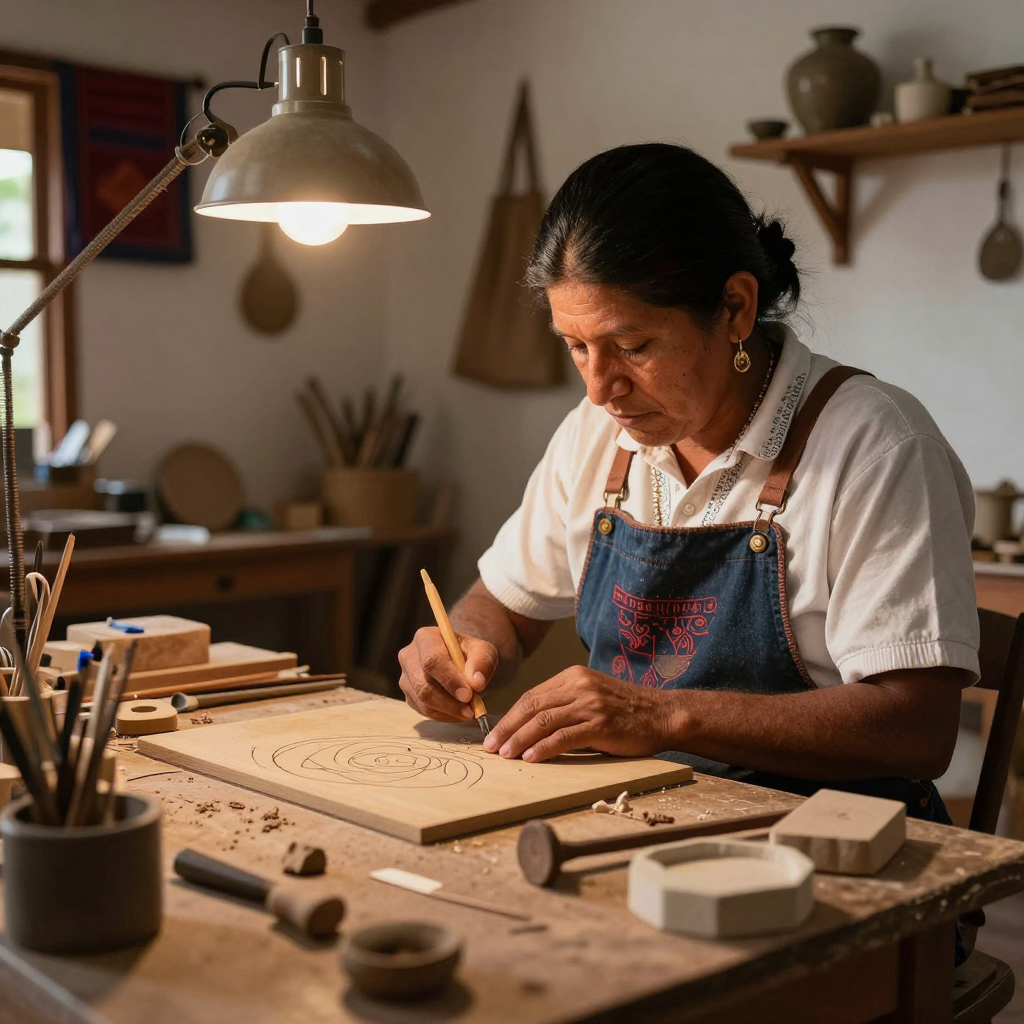
Paraguay, often overlooked in global business discussions, is witnessing a cultural renaissance that is beginning to reshape its economic trajectory. The country's rich indigenous heritage, combined with a growing emphasis on cultural preservation, is positioning Paraguay as a unique destination for both tourists and investors. This shift is not only enhancing the nation's cultural identity but also opening new avenues for economic development within the broader Mercosur region.
The government's recent initiatives to promote indigenous culture have included the restoration of historical sites, the revival of traditional crafts, and the integration of cultural tourism into national development plans. These efforts are being supported by private sector investments in cultural tourism ventures, which are expected to generate significant revenue and create employment opportunities. Analysts suggest that the cultural sector could contribute up to 5% of Paraguay's GDP by 2030 if current trends continue.
One of the most notable developments is the expansion of cultural tourism in the central region, where indigenous communities are actively participating in the preservation and promotion of their traditions. This has led to the creation of cultural centers and artisan cooperatives that provide both economic benefits and a platform for cultural exchange. These initiatives are not only boosting local economies but also enhancing Paraguay's reputation as a culturally rich and diverse nation.
The cultural renaissance is also influencing education and youth development. Schools and universities are increasingly incorporating indigenous languages and traditions into their curricula, fostering a new generation of culturally aware citizens. This educational focus is helping to create a more inclusive society and is seen as a key factor in attracting international business partnerships.
As Paraguay continues to leverage its cultural assets, the country is positioning itself as a model for sustainable development within the Mercosur region. The integration of culture into economic planning is not only preserving the nation's heritage but also creating new opportunities for growth and international collaboration.