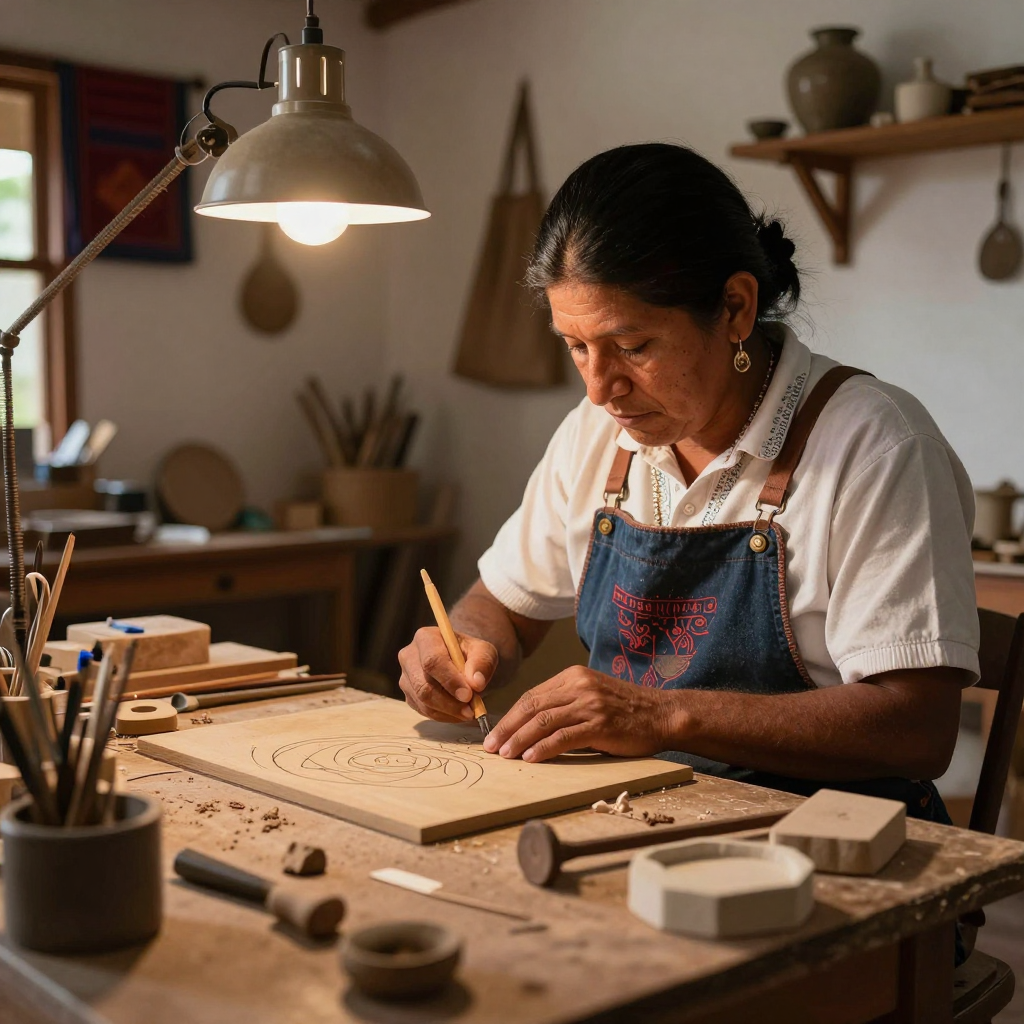
Paraguay, often viewed through the lens of its agricultural exports and political stability, is undergoing a cultural renaissance that is beginning to shape its economic landscape. The country's rich indigenous heritage, coupled with a growing emphasis on arts and education, is creating new opportunities for tourism and international collaboration. This shift is particularly significant as Paraguay seeks to diversify its economy beyond traditional sectors like agriculture and soy production.
The government has increasingly recognized the value of cultural tourism, with initiatives aimed at promoting indigenous art, traditional crafts, and historical sites. Cities like Asunción, Ciudad del Este, and Encarnación are becoming hubs for cultural festivals, workshops, and exhibitions that highlight Paraguay's unique identity. These efforts not only preserve local traditions but also attract international visitors interested in experiencing authentic Paraguayan culture.
In the business sector, the cultural renaissance is seen as a potential catalyst for economic development. Cultural tourism is expected to generate significant revenue, creating jobs in hospitality, crafts, and local services. Analysts suggest that as more international investors and tourists recognize the value of Paraguay's cultural assets, the country could emerge as a destination for niche markets such as eco-tourism and cultural immersion programs.
Education is also playing a pivotal role in this transformation. Universities and cultural institutions are collaborating to integrate traditional knowledge into modern curricula, ensuring that future generations can contribute to and benefit from the country's cultural revival. This focus on education is helping to create a more informed and globally connected workforce, which is essential for attracting foreign investment and fostering innovation.
While challenges remain, the cultural renaissance in Paraguay is demonstrating the potential of leveraging intangible heritage for economic growth. As the country continues to invest in its cultural assets, it may find itself at the forefront of a new era in regional development, one that balances tradition with modernity and local identity with global appeal.