Asunción, Paraguay – Amidst the dynamic shifts in global trade and regional integration, Paraguay is witnessing a significant cultural renaissance that is increasingly positioned at the intersection of tradition and economic opportunity. This cultural resurgence is not merely a celebration of local heritage; it is a strategic effort to position the country as a vibrant hub within the Mercosur economic bloc, attracting investment and fostering cultural tourism.
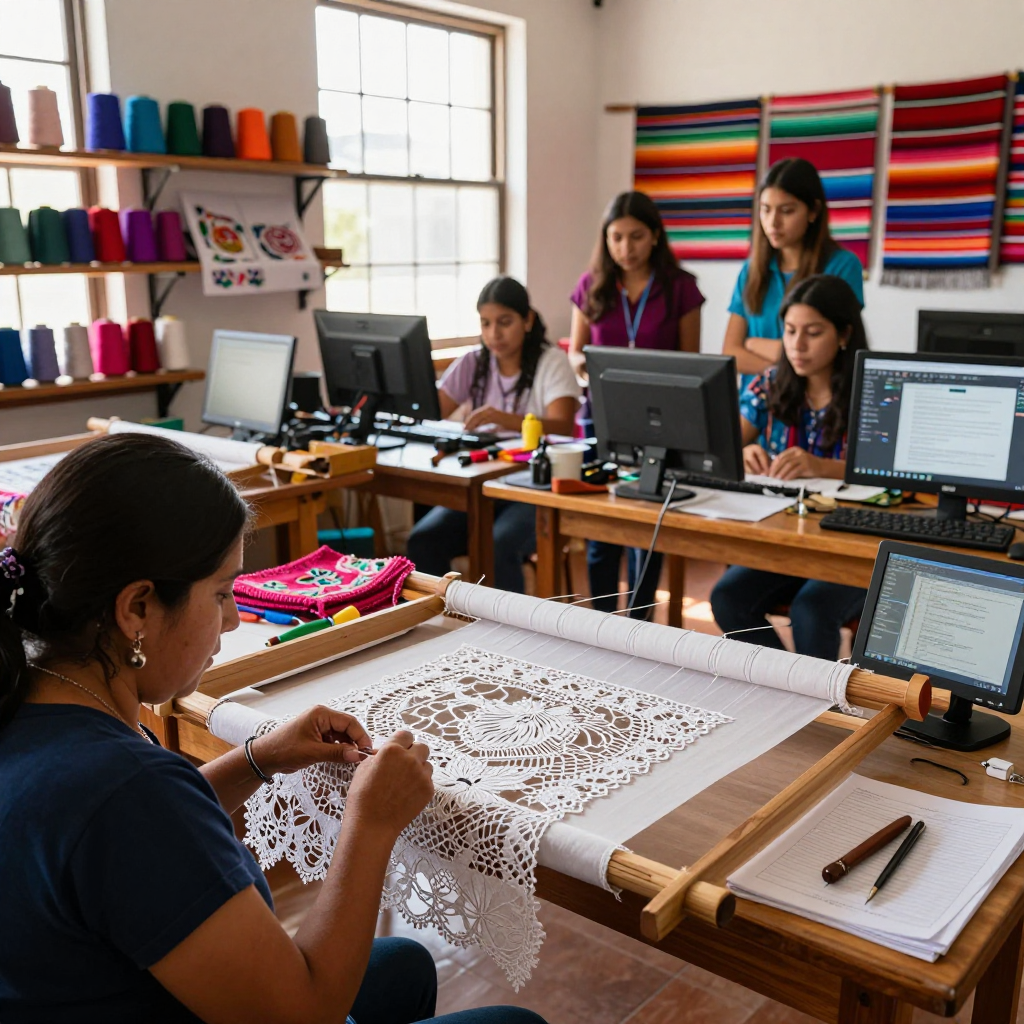
At the heart of this movement is a renewed focus on indigenous art forms, particularly the intricate craftsmanship of Ñanduti lace, which has gained international acclaim. The Paraguayan government has established programs to preserve such crafts while modernizing their production methods. These initiatives aim to bridge traditional techniques with contemporary design, making Paraguayan textiles competitive in global markets. Analysts suggest that this approach could lead to increased exports and enhanced brand recognition withinMercosur countries and beyond.
In parallel, the education sector is playing a pivotal role in nurturing this cultural renaissance. Universities and vocational schools are incorporating courses that focus on preserving and teaching traditional art forms alongside modern entrepreneurial skills. This dual approach is designed to empower young Paraguayans to become both custodians of their cultural legacy and innovative leaders in the global economy. It reflects a broader strategy to align cultural preservation with sustainable development goals.
Cultural festivals, such as the annual Ñemby Music Festival, are also becoming key platforms for showcasing Paraguayan talent and attracting international audiences. These events not only celebrate traditional music and dance but also provide a stage for emerging artists who blend Paraguayan influences with global musical trends. The festival’s growing popularity suggests a potential for cultural tourism to bolster the local economy, creating jobs and revenue streams.
Moreover, Paraguay is exploring opportunities to collaborate with neighboring countries in the Mercosur region to co-promote cultural exchanges and joint ventures. Such partnerships could enhance mutual understanding and foster a stronger regional identity, ultimately benefiting businesses across the bloc. For instance, cultural tourism packages that include visits to historical sites in Paraguay and neighboring Mercosur countries are being developed to attract travelers seeking unique cultural experiences.
While challenges remain—such as funding constraints and the need for infrastructure improvements—the momentum behind Paraguay’s cultural revival is undeniable. By integrating tradition with innovation, Paraguay is carving out a unique niche in Mercosur, positioning itself not only as a cultural beacon but also as a promising market for business investment focused on creative industries and cultural tourism.