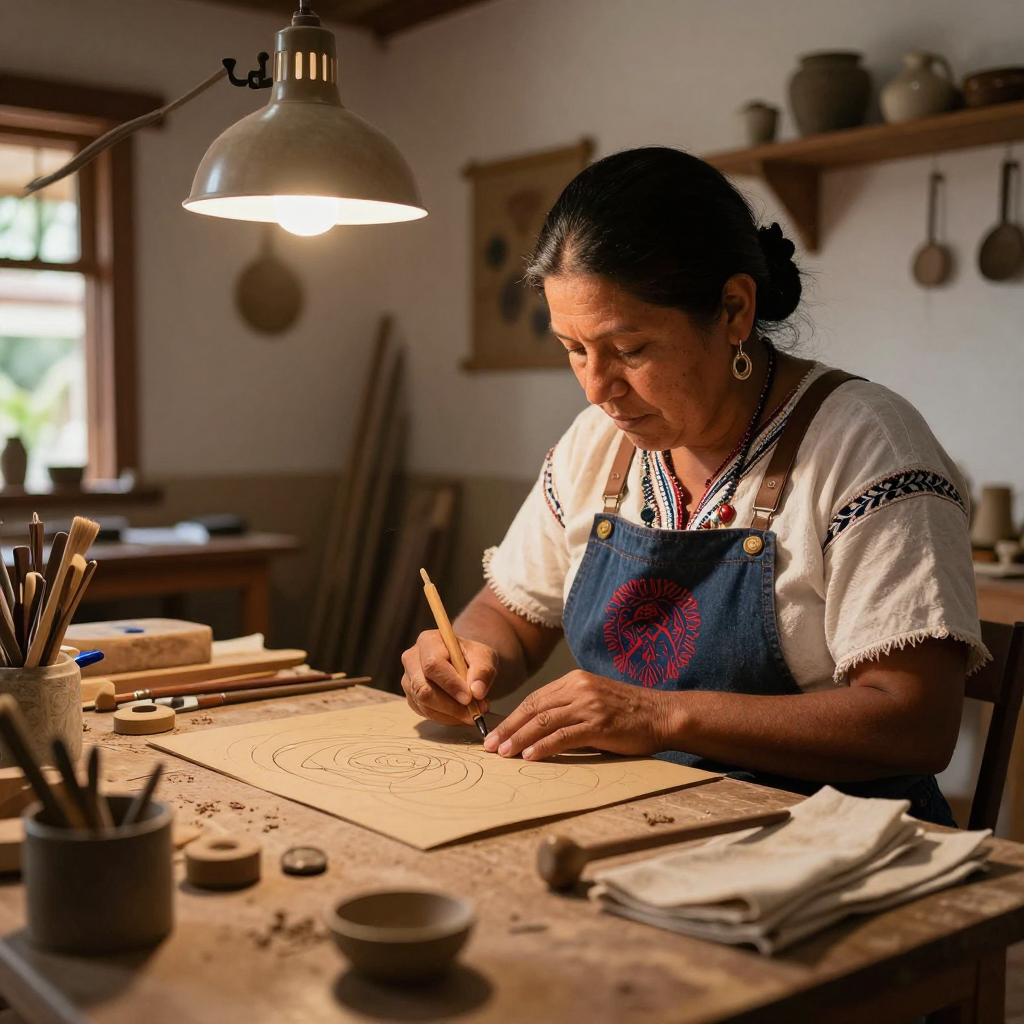
Paraguay, often seen as a land of traditional values, is undergoing a cultural renaissance that is reshaping its national identity and opening new doors for international business engagement. The country's rich heritage, combined with modern artistic expressions, is drawing both domestic and foreign interest, particularly in the tourism and creative industries. This cultural shift is not just a celebration of the past but a strategic move to position Paraguay as a dynamic and innovative player within the Mercosur region.
The government has been actively promoting cultural initiatives as part of its broader economic development strategy. Events such as the annual Festival of the Arts in Asunción and the Paraguayan National Folklore Festival have gained international recognition, drawing visitors from across South America and beyond. These events not only highlight the country's artistic diversity but also serve as platforms for local artisans, musicians, and performers to showcase their talents to a global audience. Such exposure is helping to create a more favorable image of Paraguay, which in turn can attract foreign investment in sectors like hospitality, entertainment, and creative industries.
The cultural renaissance is also influencing the education sector, with an increasing emphasis on arts and cultural studies in schools and universities. This shift is equipping the younger generation with the skills needed to participate in a globalized economy, where creativity and cultural awareness are highly valued. As a result, there is a growing demand for professionals in fields such as cultural management, event planning, and digital media, which are areas where Paraguay could see significant growth in the coming years.
For international business readers, the cultural revival in Paraguay presents a unique opportunity. The country's ability to blend tradition with innovation offers a compelling case study for sustainable development and cultural tourism. As Paraguay continues to invest in its cultural infrastructure and promote its heritage, it is likely to become an increasingly attractive destination for both tourists and investors looking for new markets within the Mercosur region.