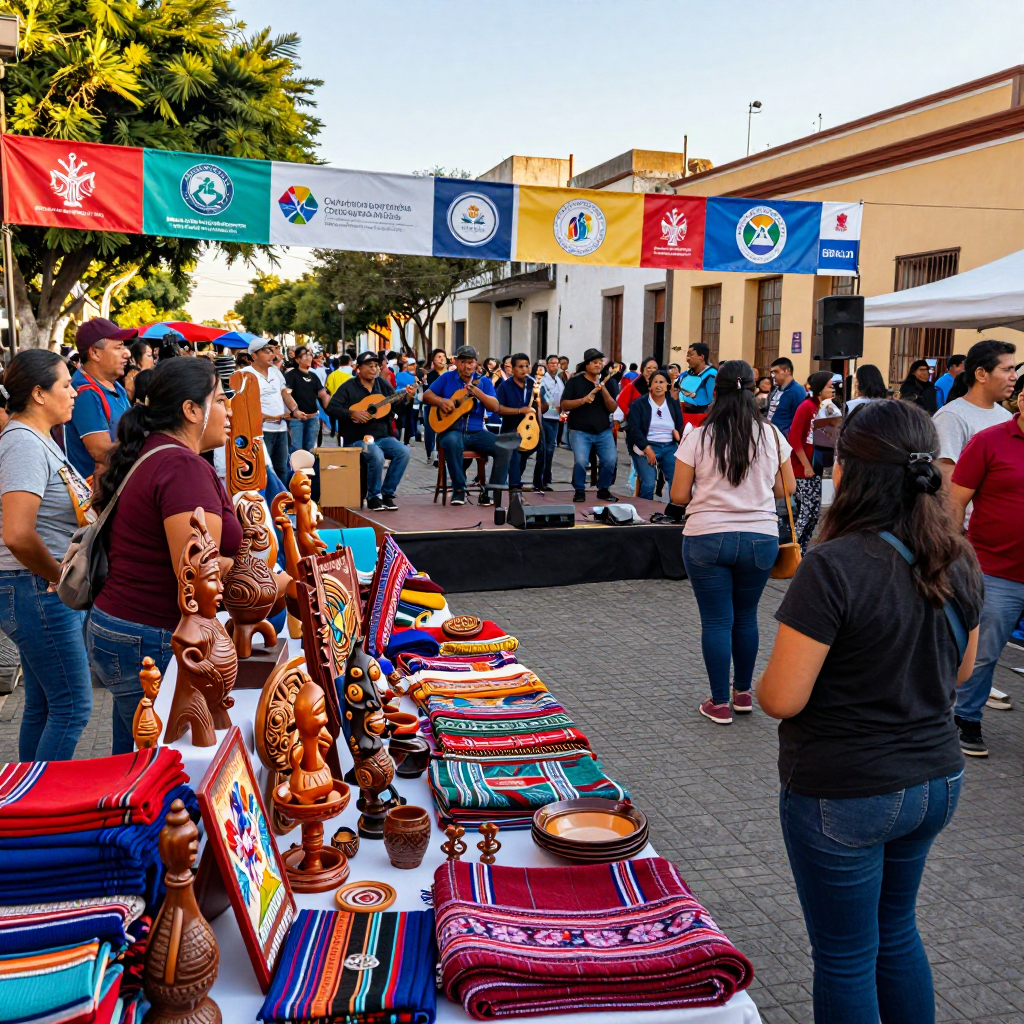
As Paraguay continues to navigate its position within the Mercosur economic bloc, the country's rich cultural tapestry is emerging as a significant driver of economic development, particularly in the realm of creative industries. Traditionally recognized for its robust agricultural sector and strategic role in regional logistics, Paraguay is now focusing on harnessing its cultural assets to diversify its economy and attract global attention.
The rise of Paraguay's cultural offerings has been bolstered by government initiatives aimed at promoting local art, music, and crafts both domestically and internationally. In recent years, efforts have intensified to establish Paraguay as a key destination for cultural tourism and creativity-based businesses. This focus aligns with broader Mercosur objectives to integrate member countries through shared cultural and economic strategies, leveraging each nation's unique strengths.
One notable development is the expansion of cultural festivals, such as the annual Asunción Film Festival, which not only showcases Paraguayan cinema but also attracts filmmakers and industry professionals from across South America and beyond. These events serve as platforms for networking and collaboration, providing fertile ground for partnerships between Paraguayan artists and international businesses interested in co-production opportunities. According to analysts, this trend could lead to increased foreign direct investment in the cultural sector, further solidifying Paraguay's reputation as a hub for artistic innovation within Mercosur.
Education reforms are another critical component of this cultural renaissance. Paraguayan universities and vocational schools are increasingly incorporating courses that blend traditional arts with modern technology, preparing a new generation of culturally aware entrepreneurs and designers. This educational shift is crucial for addressing the growing demand for skilled workers in creative industries, as well as for fostering innovation that can be exported regionally and globally. Experts suggest that Paraguay's dual language proficiency—Spanish and Guaraní—offers unique advantages in markets where bilingualism is highly valued.
Additionally, the digital transformation underway in Paraguay presents new avenues for exporting cultural products. Platforms like e-commerce sites dedicated to Paraguayan artisanal goods and virtual art galleries are gaining traction, allowing creators to reach audiences worldwide without geographical constraints. This digital push is complemented by ongoing infrastructure improvements, which enhance connectivity and reduce barriers to international trade.
In conclusion, Paraguay's emphasis on its cultural identity as a catalyst for economic growth is not only preserving its historical heritage but also positioning it as a competitive player within the dynamic Mercosur market. As the country continues to refine its strategies for integrating culture into its economic framework, it could become a model for other developing nations seeking to leverage their cultural assets in a globalized world.