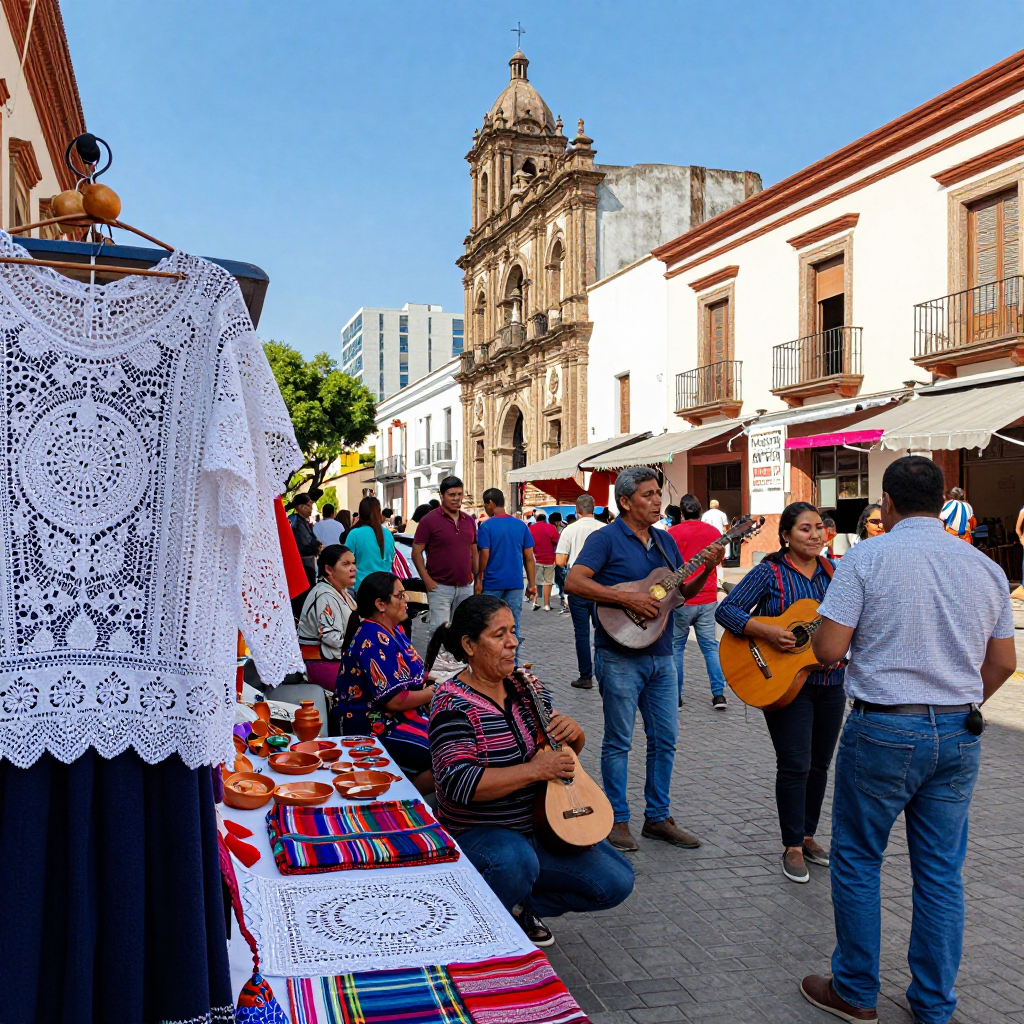
Asunción, Paraguay — Paraguay's vibrant cultural landscape is emerging as a key driver of economic development, resonating with international business interests and highlighting opportunities for investment. The country's unique blend of indigenous traditions, Spanish colonial history, and modern urban dynamism is increasingly drawing visitors from around the world. This surge in cultural tourism not only enhances national pride but also provides a foundation for sustainable economic growth that aligns with Paraguay’s position within the Mercosur trade bloc.
One of the most notable developments is the growing recognition of Ñandutí lace—a traditional Paraguayan textile artistry—as both a cultural symbol and a potential catalyst for economic expansion. In recent years, initiatives to preserve and promote this intricate craft have gained momentum, supported by both local artisans and international partners interested in sustainable tourism and artisanal product exports. Analysts suggest that such cultural preservation efforts may lead to increased foreign direct investment in sectors like tourism infrastructure, hotel services, and handicraft production, as investors seek to capitalize on Paraguay's untapped cultural assets.
The government has also been proactive in leveraging cultural heritage as a tool for economic diplomacy. In late 2022, the Ministry of Culture launched the 'Cultural Route Project,' which aims to create a network of sites across Paraguay showcasing its historical and artistic treasures. This initiative is designed to attract tourists while also encouraging local entrepreneurship and job creation. According to official reports, the project has already seen interest from businesses specializing in cultural tourism and heritage preservation technologies, signaling potential collaboration opportunities for international firms looking to engage with Paraguay's growing cultural sector.
Furthermore, Paraguay's education sector is playing a pivotal role in sustaining cultural heritage while providing future generations with skills needed for economic participation. Schools and universities across the country are incorporating traditional crafts, music, and dance into their curricula, ensuring that cultural knowledge is preserved and passed down. This focus on cultural education could have long-term benefits for the country's workforce, as it prepares students to participate in industries driven by cultural tourism and creative industries. International educators and cultural organizations have shown interest in partnering with Paraguayan institutions to enhance educational programs, potentially contributing to skilled labor development for the tourism and arts sectors.
As Paraguay looks to strengthen its position within the Mercosur trade bloc, cultural diplomacy is becoming an integral part of its strategy. By promoting its rich cultural heritage, Paraguay is demonstrating its ability to appeal to a global audience, which could translate into tangible economic gains. Analysts argue that enhancing cultural ties through tourism and education can lead to broader economic cooperation within Mercosur, as member countries recognize the value of shared cultural narratives in fostering regional integration.
In conclusion, Paraguay's cultural renaissance presents significant opportunities for international businesses interested in supporting sustainable tourism, investing in cultural preservation projects, and collaborating with local educational initiatives. As the nation continues to celebrate its heritage, it is poised to become a more attractive destination for both tourists and investors, leveraging its cultural strengths to drive economic growth and regional influence.