The decision to host the South American Football Championship in Paraguay has sparked significant interest among businesses across the Mercosur region. This high-profile event, expected to draw thousands of spectators and athletes, represents a pivotal moment for Paraguay's sports industry and broader economy. As the country gears up to welcome international teams and fans, stakeholders are closely monitoring the potential business opportunities that could arise from this prestigious tournament.
From a business perspective, the hosting of such a large-scale sports event presents several strategic advantages for Paraguay. First, it serves as a catalyst for enhancing the country's reputation as a destination for sports tourism. With its warm climate and growing infrastructure, Paraguay is well-positioned to capitalize on the influx of visitors not only during the championship but also in the subsequent years. According to industry analysts, the increase in footfall could stimulate sectors such as hospitality, transportation, and retail, generating additional revenue streams for local businesses.
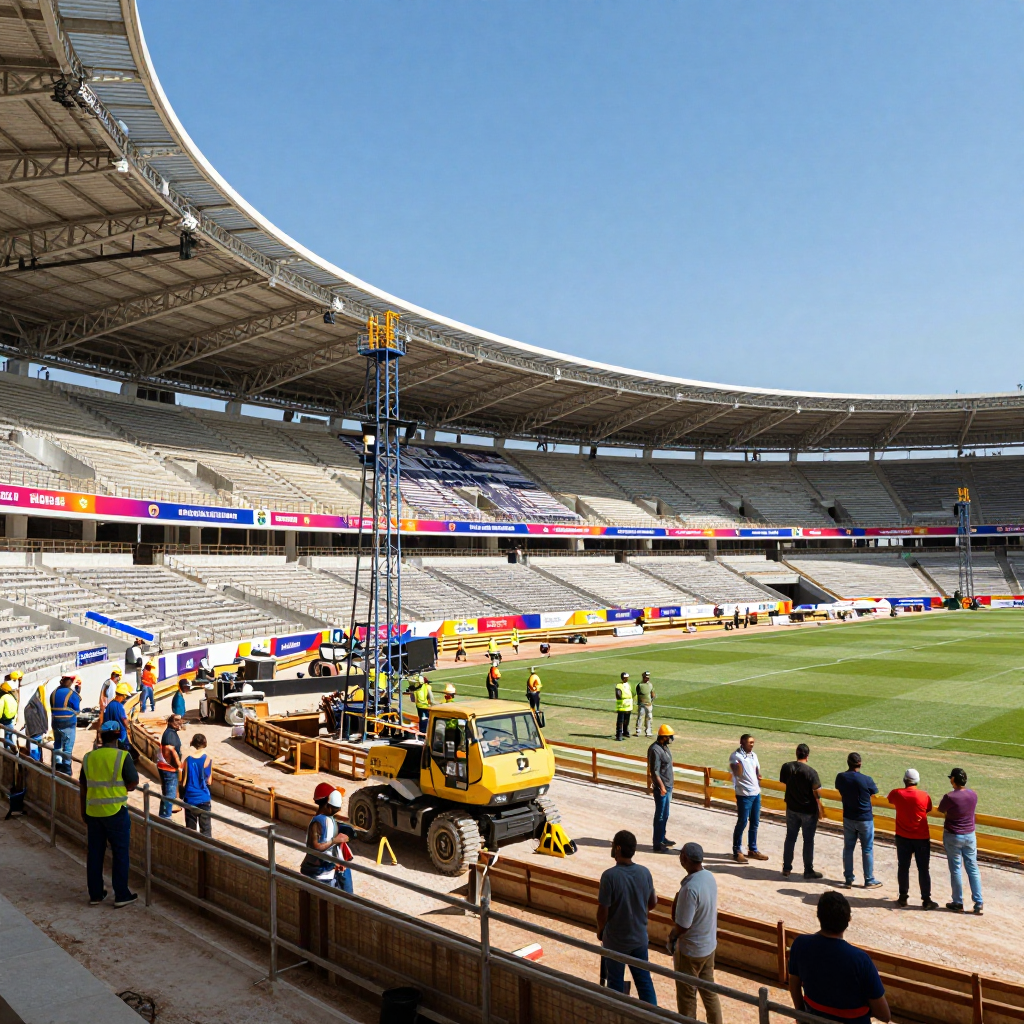
Moreover, the preparation for the tournament involves substantial investment in infrastructure improvements. New stadiums, enhanced connectivity, and upgraded public facilities are being prioritized to accommodate the event's demands. These developments are not only essential for the immediate success of the championship but also have long-term implications for Paraguay's competitiveness within the Mercosur region. Improved infrastructure can attract foreign direct investment in various sectors, particularly those related to tourism and sports development.
The tournament also highlights Paraguay's growing influence within Mercosur. As a member of the trading bloc, Paraguay's ability to host international sporting events reflects positively on its organizational capabilities and integration efforts. Analysts argue that this visibility could strengthen Paraguay's partnerships with neighboring countries, fostering greater economic collaboration and trade ties. The event provides an opportunity for Paraguay to showcase its commitment to regional cooperation and its role as a vibrant participant in Mercosur's dynamic economy.
In addition to economic benefits, the championship has cultural significance for Paraguay. It offers a platform for local talent to compete at an international level and gain exposure to global markets. This could lead to increased participation and interest in football, potentially spurring the growth of youth academies and professional leagues. Such initiatives are vital for sustaining Paraguay's standing in the sports world beyond the duration of the tournament.
However, challenges remain. Ensuring timely completion of infrastructure projects and managing logistical complexities are critical factors for the event's success. Additionally, balancing the financial investment required with the expected returns will be a priority for policymakers. Nevertheless, the overall sentiment surrounding the tournament suggests optimism, with many businesses and investors viewing it as a transformative opportunity for Paraguay's economy.
In conclusion, Paraguay's hosting of the South American Football Championship marks a significant milestone in its journey toward becoming a prominent regional sports hub. By leveraging this event, Paraguay aims to enhance tourism, boost infrastructure, and deepen its integration within Mercosur. As the tournament approaches, stakeholders anticipate positive outcomes that extend far beyond the field of play, impacting both the local economy and Paraguay's broader presence in the international arena.