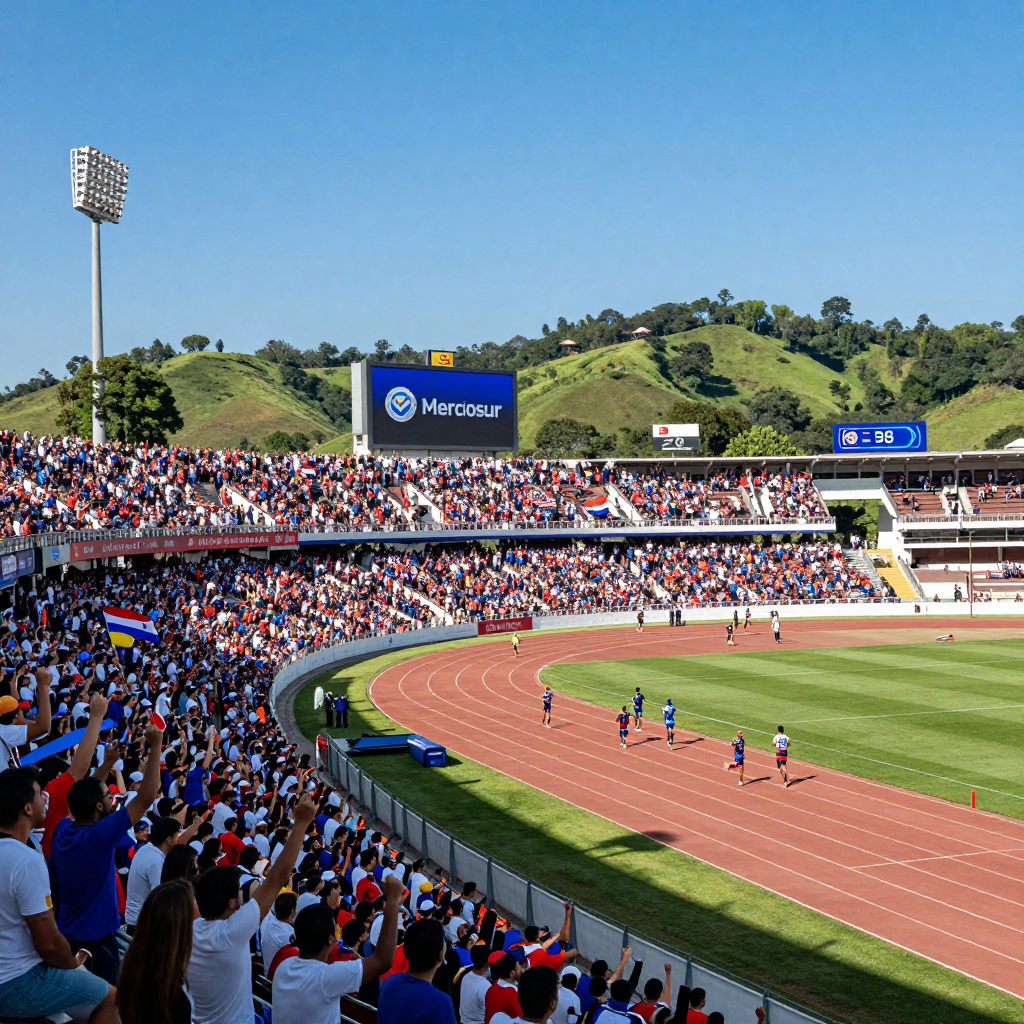
As Paraguay continues to carve out a niche within the global sporting landscape, the nation is strategically positioning itself as a hub for sports tourism, particularly in football and athletics. With a focus on enhancing its infrastructure and fostering closer ties with Mercosur partners, Paraguay aims to capitalize on the burgeoning trend of sports-related travel, which could have significant economic implications. This initiative not only highlights the country’s dedication to developing its sports industry but also underscores its potential role in regional economic integration.
Football remains at the heart of Paraguay's cultural and economic narrative. The national team has seen increased participation in international tournaments, drawing attention from sports enthusiasts worldwide. In addition to local talent development, Paraguay is actively investing in modern sports facilities to host both domestic and international events. These efforts include expansions to existing stadiums and the planning of new venues that meet international standards, which could attract large-scale sporting events and their accompanying economic benefits.
Beyond football, Paraguay is also making strides in athletics, where it has shown promising performances in regional and global competitions. The country’s climatic conditions, offering mild temperatures and favorable terrain, position it as an ideal location for endurance sports and training camps. As Mercosur countries deepen their cooperation in various sectors, including sports, Paraguay is strategically aligning with neighboring nations like Brazil, Argentina, and Uruguay to promote joint initiatives and shared resources. This collaboration could lead to the hosting of multi-country sporting events, attracting a wider audience and boosting cross-border trade in areas such as hospitality, transportation, and retail.
Economic analysts suggest that the sports tourism sector could offer substantial growth opportunities for Paraguay, especially given the region's increasing momentum toward integrating Mercosur economies. By incorporating sports within regional trade discussions, Paraguay may enhance its visibility and economic attractiveness. However, challenges remain, including the need for sustained investment in infrastructure, skilled workforce development, and effective marketing strategies to reach international audiences. Despite these hurdles, the government and private sector stakeholders are increasingly recognizing the untapped potential of sports as a driver for sustainable economic growth.
In conclusion, Paraguay’s strategic approach to sports tourism, coupled with its role in regional Mercosur collaborations, presents a unique opportunity for both economic diversification and cultural exchange. As the country continues to refine its sports industry, it stands poised to benefit from the global trend toward sports-related travel, potentially transforming its economy and solidifying its position within the South American market.