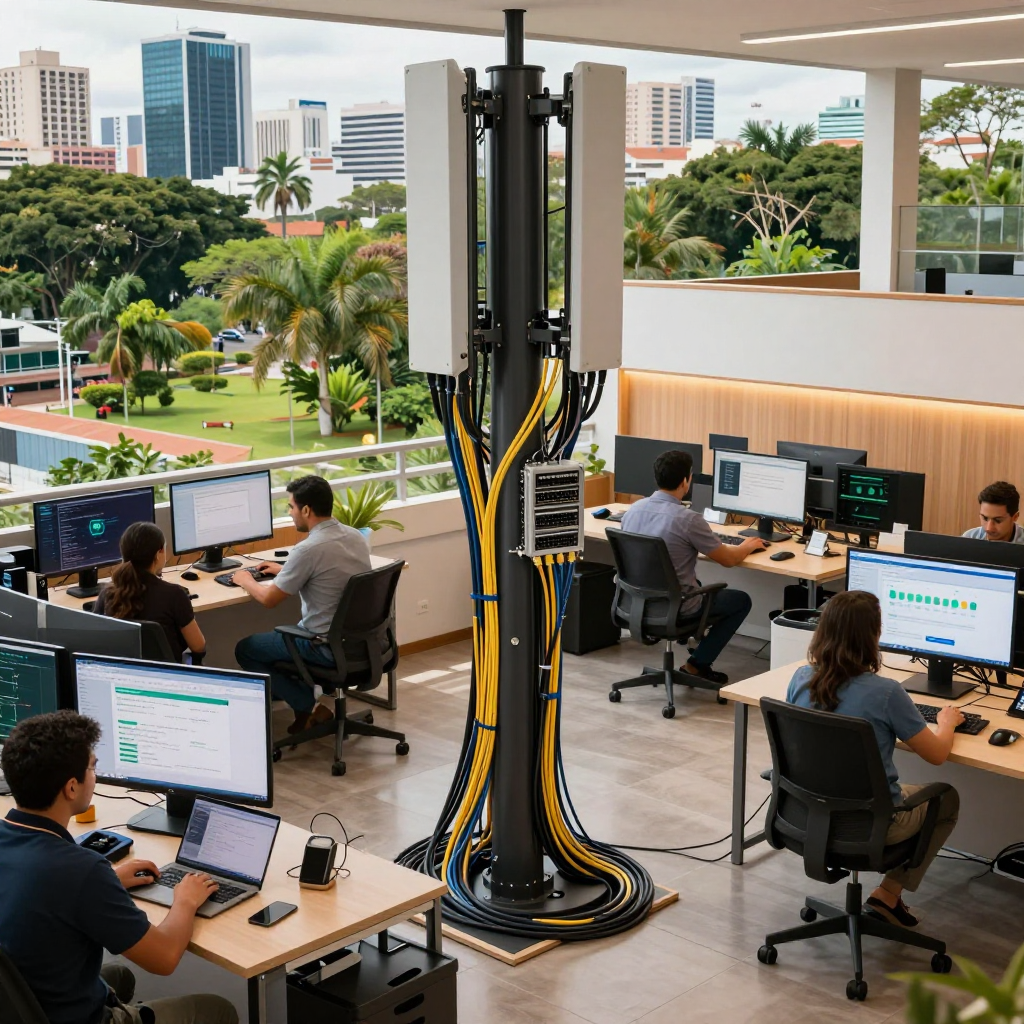
Asunción, Paraguay — In recent years, Paraguay has taken significant strides toward digital transformation, driven by growing regional competition and a desire to enhance economic competitiveness within Mercosur. The country’s telecommunications landscape is undergoing modernization, with increasing investments in fiber optic networks and mobile broadband expansion, aiming to bridge the digital divide that has historically affected rural areas. This push for improved connectivity is not just a national priority but also a strategic move to attract foreign investment and position Paraguay as a viable partner within the Mercosur trade bloc.
Tech startups are emerging as a crucial component of Paraguay’s digital agenda. Local entrepreneurs are leveraging advancements in fintech, e-commerce, and agritech to address domestic market needs while tapping into export opportunities across South America. Government initiatives, such as incubators and startup accelerators, have been established to support innovation and encourage collaboration between local businesses and international partners. Despite these efforts, obstacles persist, including regulatory hurdles and a need for enhanced cybersecurity frameworks to safeguard data privacy and digital infrastructure.
Within Mercosur, Paraguay faces unique challenges as it seeks to integrate its digital ambitions with the larger regional economic narrative. The country must balance its commitment to Mercosur trade agreements with the flexibility required to adapt to global digital trends. Analysts suggest that Paraguay could benefit from closer coordination with neighboring Mercosur members, such as Brazil and Argentina, which are further advanced in their digital transformations. By doing so, Paraguay may gain access to shared resources and best practices, helping to accelerate its own progress.
The role of telecommunications in Paraguay’s digital journey cannot be understated. The government has expressed intentions to invest in next-generation networks, particularly 5G infrastructure, although funding and regulatory alignment remain key considerations. These networks are seen as foundational for enabling more robust digital services, including smart city projects and Internet of Things applications, which could drive economic diversification beyond traditional sectors such as agriculture and hydropower.
While Paraguay is making headway in its digital transformation, the path forward is fraught with complexities. Ensuring widespread access to technology, fostering a culture of innovation, and addressing skills gaps are critical to realizing the full potential of digital adoption. As the country navigates these challenges, stakeholders in the business community both domestically and internationally will be watching closely to determine whether Paraguay can effectively leverage technology as a catalyst for sustained growth within the dynamic Mercosur region.