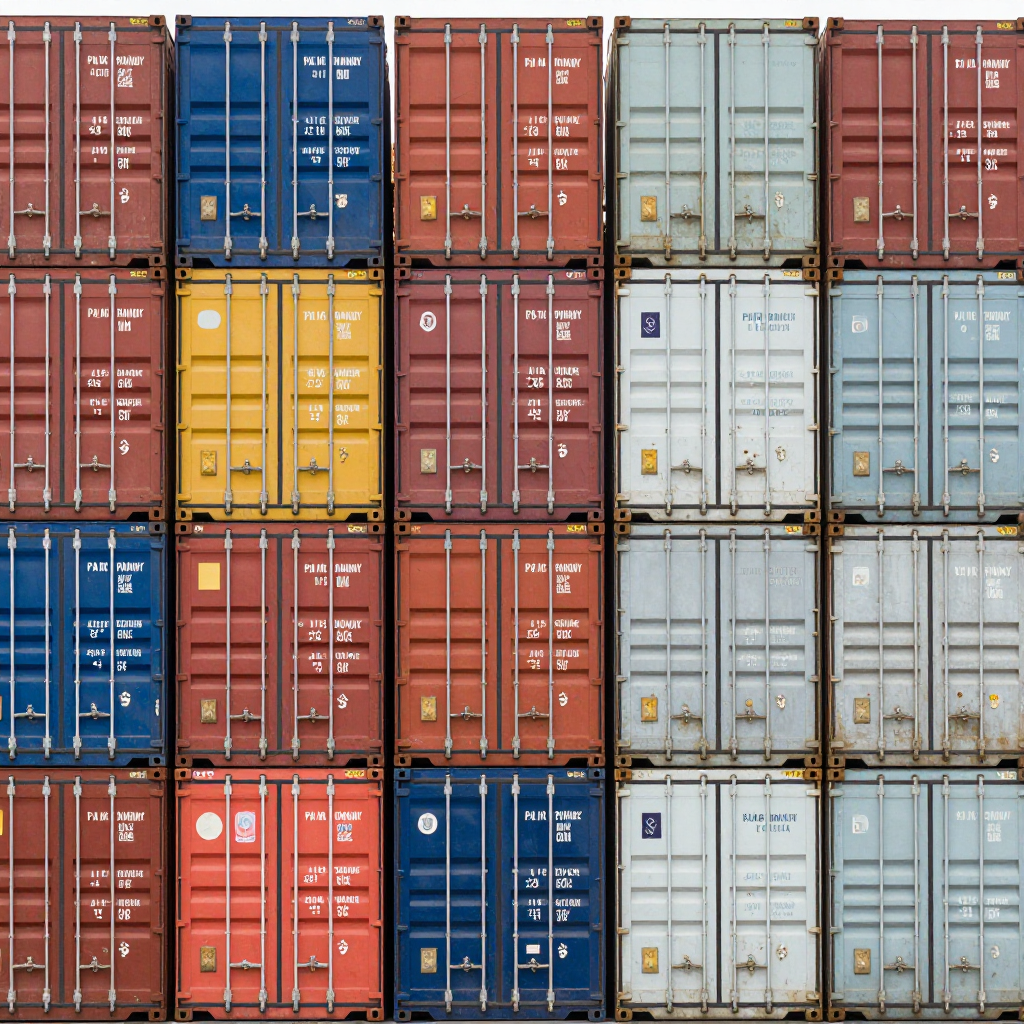
ASUNCION — Paraguay's government is actively exploring economic reforms that align with its growing integration into the Mercosur trade bloc, potentially reshaping the country's business landscape. Recent discussions in Congress highlight a focus on regulatory adjustments and infrastructure development to bolster the nation's appeal to international investors and improve internal market efficiency.
Mercosur, which includes Brazil, Argentina, Uruguay, and Paraguay, has been a cornerstone of Paraguay's economic strategy. However, the country faces challenges such as sluggish growth rates and limited foreign direct investment (FDI). According to analysts, these reforms aim to address these issues by creating a more attractive business environment.
One key aspect under consideration involves streamlining bureaucratic procedures to reduce delays in project approvals and encourage private sector participation. This initiative follows recent criticisms from business leaders who have highlighted the complexity and time-consuming nature of doing business in Paraguay. By simplifying processes, the government hopes to attract more investments in sectors ranging from agribusiness to manufacturing.
Infrastructure development is another focal point. Paraguay relies heavily on agriculture, but outdated transportation networks limit the efficient movement of goods. Improvements in roads and ports are projected to enhance logistics capabilities, making it easier for both local producers and foreign investors to access markets. Analysts suggest that these developments could position Paraguay as a more reliable partner within Mercosur, especially in trade-related activities.
However, the implementation of these reforms hinges on political consensus. While there is broad agreement on the need for change, differing views among political parties regarding the pace and extent of reforms could lead to delays. Observers note that any successful transformation will require cooperation between the executive branch and Congress, as well as effective communication with stakeholders to ensure alignment with broader regional goals.
For international businesses eyeing opportunities in Paraguay, these proposed changes signal potential growth areas. However, they also underscore the importance of staying informed about legislative progress and engaging proactively with government entities to navigate the evolving regulatory landscape. As Mercosur continues to evolve, Paraguay’s approach to economic reform could determine its role in shaping the bloc’s future economic dynamics.
With elections approaching, the urgency to implement these measures is palpable. The government is keen to present tangible achievements that demonstrate commitment to economic modernization, thereby bolstering investor confidence and reinforcing Paraguay’s position within Mercosur. Whether these efforts yield the desired results remains to be seen, but they mark a critical step toward addressing longstanding economic challenges and positioning Paraguay as a more competitive market.