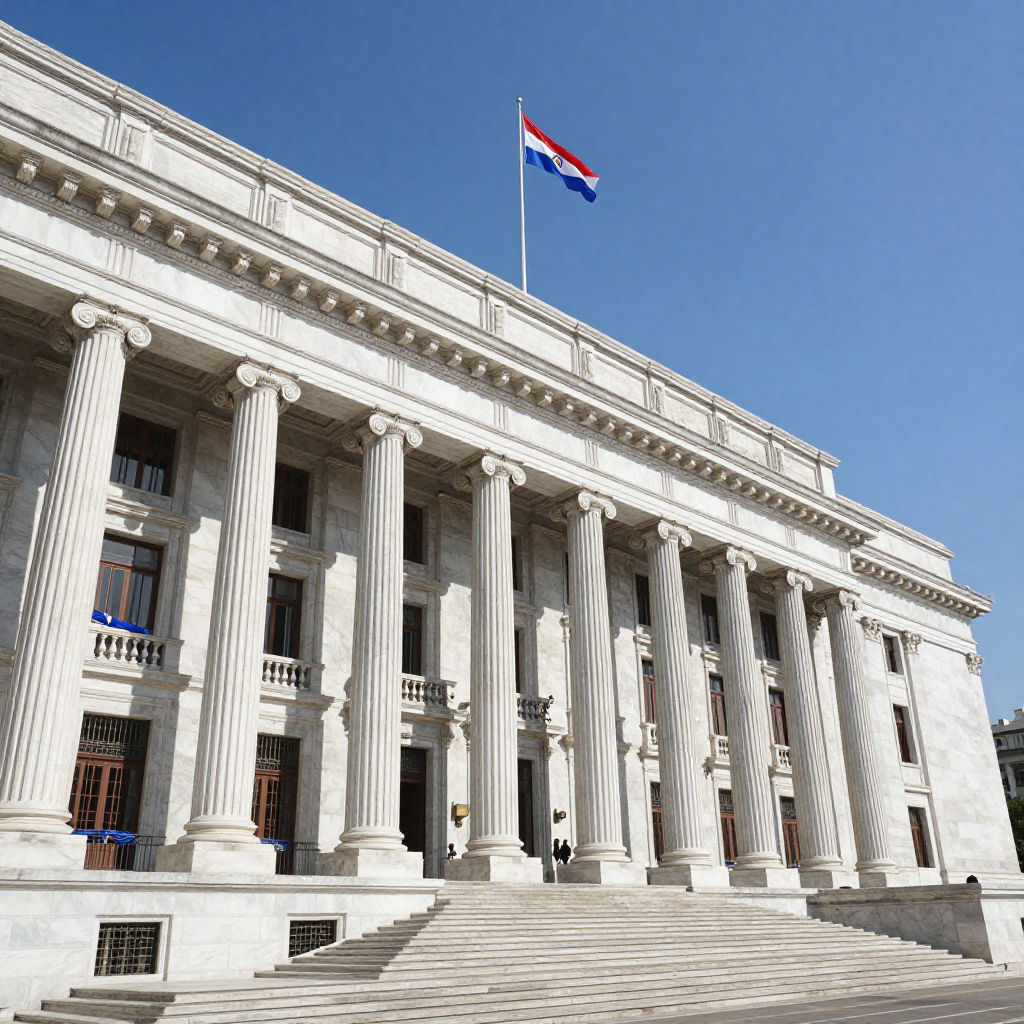
In recent months, Paraguay's government has signaled its intention to pursue new trade agreements to bolster economic growth and diversify its export markets. The initiative, which aligns with broader Mercosur integration efforts, aims to enhance the country's competitiveness in global markets. While no formal agreements have been announced, officials have emphasized the importance of expanding trade relations to support long-term economic stability.
The move comes amid a period of economic transition for Paraguay, which has traditionally relied on agricultural exports such as soybeans and beef. However, recent years have seen a shift toward diversification, with increasing emphasis on manufacturing and services. Analysts suggest that new trade agreements could help the country reduce its dependence on a few key commodities and open up new avenues for investment.
Paraguay's Ministry of Economy has been in discussions with regional partners, including Argentina, Brazil, and Uruguay, as well as international organizations such as the World Trade Organization (WTO). The goal is to create more favorable trade conditions for Paraguay's businesses, particularly in sectors such as technology, renewable energy, and agro-industrial processing. These discussions are also expected to address challenges related to infrastructure, logistics, and regulatory harmonization.
International business readers should monitor developments closely, as Paraguay's economic strategy could have significant implications for regional trade dynamics. While the process is still in its early stages, the government's commitment to economic reform and international cooperation suggests a potential shift in the country's approach to global trade. For now, the focus remains on building consensus among stakeholders and securing the necessary political support for future agreements.
As the global economy continues to evolve, Paraguay's ability to adapt and engage in strategic trade partnerships will be crucial in ensuring sustained growth and competitiveness. The upcoming months will be critical in determining the trajectory of these efforts and their impact on the country's economic landscape.