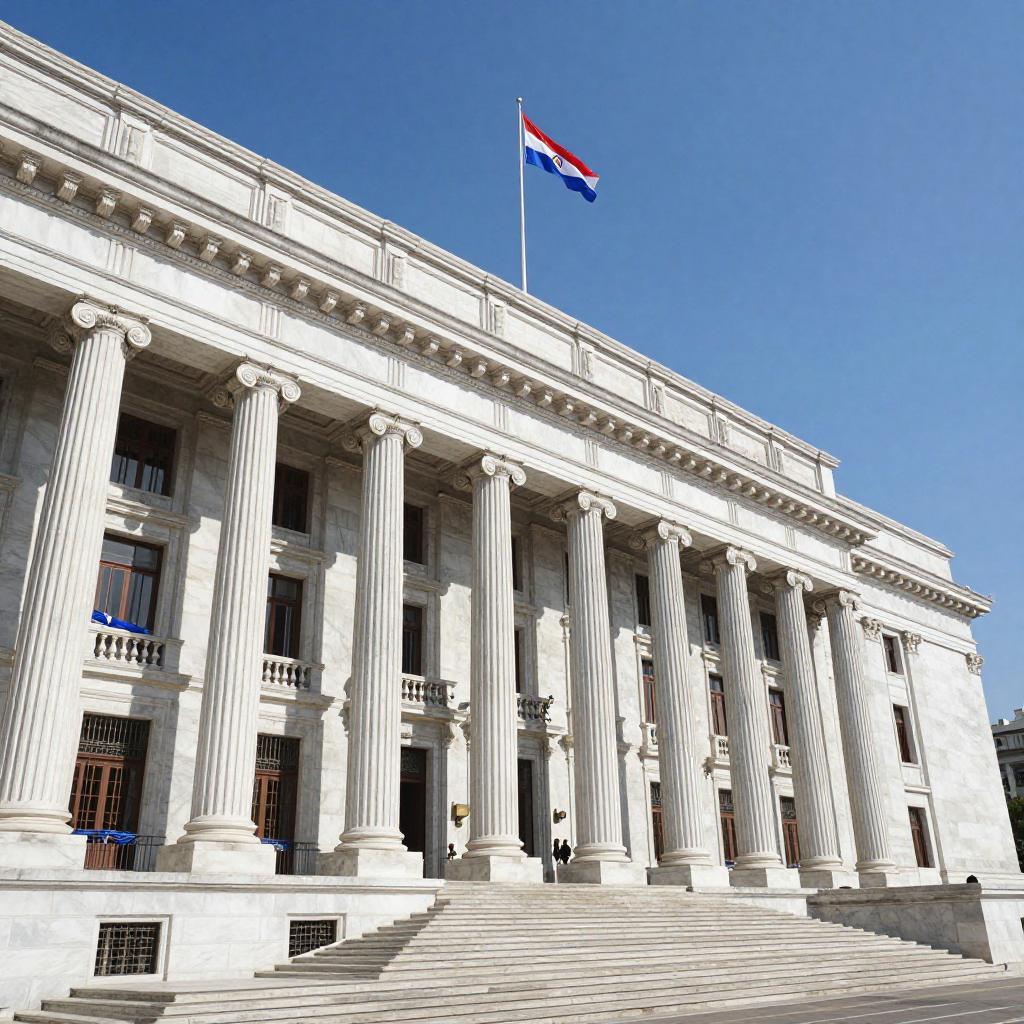
In recent months, the Paraguayan government has signaled its intent to pursue new trade agreements to diversify its economic partnerships and stimulate growth. With a focus on enhancing regional integration and expanding access to global markets, officials have emphasized the need for updated trade policies that align with current economic realities. These efforts come amid a broader push to modernize Paraguay's economic framework and attract foreign investment.
The current administration, under President Luis Alberto Monge, has prioritized economic development as a key pillar of its policy agenda. Analysts suggest that the proposed trade agreements could help Paraguay better leverage its position within Mercosur, the Southern Common Market, while also opening doors to new markets in Asia and Europe. By focusing on export diversification and improving trade logistics, the government aims to reduce reliance on traditional trade partners and create a more resilient economy.
One of the key areas of focus is the expansion of agricultural exports, which remain a cornerstone of Paraguay's economy. With the country being one of the world's largest producers of soybeans and beef, there is potential to increase market access through bilateral agreements and participation in international trade organizations. However, the process is not without challenges. Domestic stakeholders, including farmers and businesses, are calling for greater transparency and support mechanisms to ensure that the benefits of these agreements are equitably distributed.
Additionally, the government has expressed interest in strengthening its digital economy and attracting foreign direct investment (FDI). While Paraguay has made progress in improving its business environment, some analysts note that further reforms are needed to enhance competitiveness and attract multinational corporations. The Ministry of Economy and Public Finance has already initiated consultations with private sector representatives to identify areas for improvement.
As Paraguay moves forward with its trade strategy, the focus remains on balancing economic growth with sustainable development. The success of these initiatives will depend on effective implementation, regional cooperation, and the ability to adapt to evolving global market conditions.