As Paraguay navigates its role within Mercosur, the South American trade bloc, the government is increasingly focusing on economic diversification to mitigate risks associated with over-reliance on agricultural exports. This shift comes amid growing concerns over market volatility and the need for sustainable growth. The Ministry of Economy has initiated discussions on expanding industrial sectors, particularly in renewable energy and technology, to create a more resilient economic base. These efforts are part of a broader strategy to align with global trade trends and enhance competitiveness in international markets.
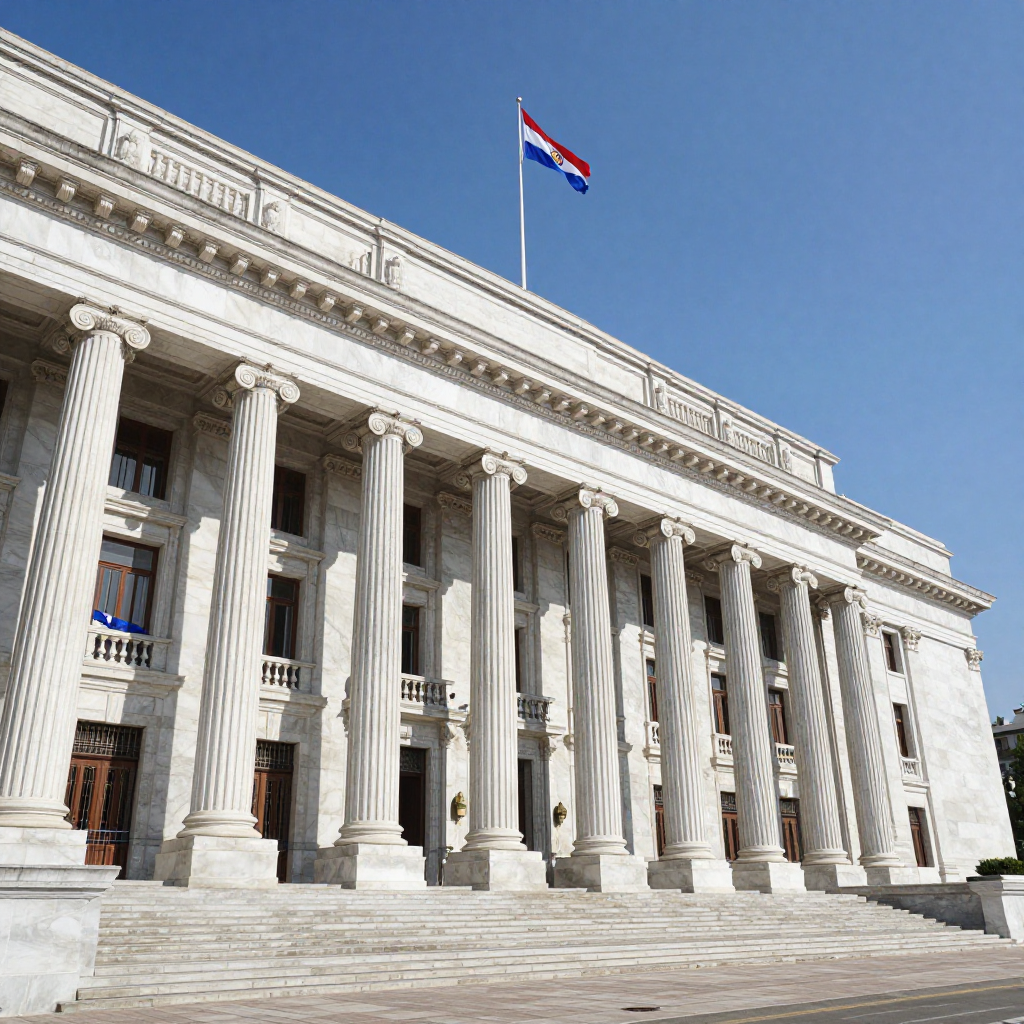
The political landscape in Paraguay has also seen significant developments that could influence economic policy. The recent legislative session in Congress highlighted debates over trade agreements and domestic investment incentives. While the ruling coalition has expressed support for economic reforms, opposition parties have raised concerns about the potential impact on small-scale farmers and local industries. These debates underscore the complex interplay between political stability and economic transformation in the country.
Analysts suggest that Paraguay's approach to economic diversification will be closely watched by international business communities, particularly those interested in the Mercosur region. The country's strategic position as a hub for agricultural exports and its growing interest in renewable energy projects present both opportunities and challenges. Investors are advised to monitor legislative developments and policy shifts that could affect market access and regulatory frameworks.
The government's emphasis on innovation and infrastructure development is seen as a positive step toward long-term economic growth. However, the success of these initiatives will depend on effective implementation, political consensus, and the ability to attract foreign investment. As Paraguay continues to balance its domestic priorities with regional and global economic trends, the business community remains keenly interested in the outcomes of these policy discussions.