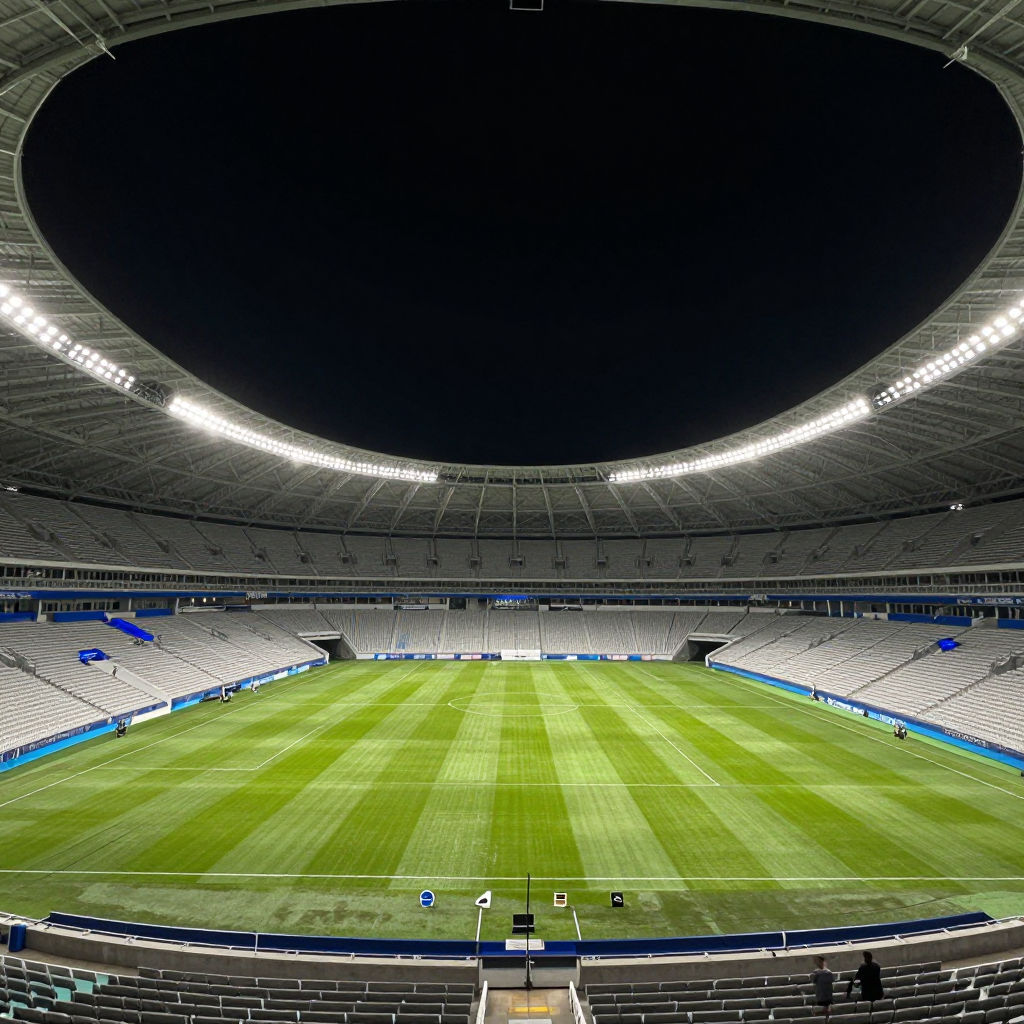
Paraguay is making strategic investments in sports infrastructure to enhance its appeal as a destination for international tourists and business travelers. The government has announced a multi-million dollar initiative to modernize stadiums, sports facilities, and related infrastructure, particularly in urban centers like Asunción and Ciudad del Este. This move aligns with broader economic goals to diversify income sources beyond traditional sectors like agriculture and manufacturing.
The initiative is part of a larger effort to position Paraguay as a regional hub for sports events and tourism. Football, in particular, remains a cornerstone of national identity and a key driver of economic activity. With the country hosting several regional and international competitions, the government sees an opportunity to attract foreign investment and boost local businesses.
According to officials, the new infrastructure will not only improve the quality of sporting events but also create jobs and stimulate ancillary industries such as hospitality, transportation, and retail. The government has emphasized the need for sustainable development, ensuring that the projects benefit local communities and contribute to long-term economic stability.
Analysts suggest that Paraguay's focus on sports tourism could complement its existing strengths in trade and regional cooperation within Mercosur. By enhancing its sporting offerings, the country may increase its attractiveness to foreign investors and tourists, thereby contributing to economic growth and diversification.
The government has also highlighted the importance of public-private partnerships in funding and managing the new facilities. This approach aims to ensure efficient use of resources and long-term viability of the projects. While challenges such as funding and maintenance remain, the initiative reflects a growing recognition of the economic potential of the sports sector in Paraguay.
As the projects progress, the focus will be on measuring their impact on tourism, employment, and overall economic development. The success of these efforts could serve as a model for other countries in the region seeking to leverage sports for economic growth.