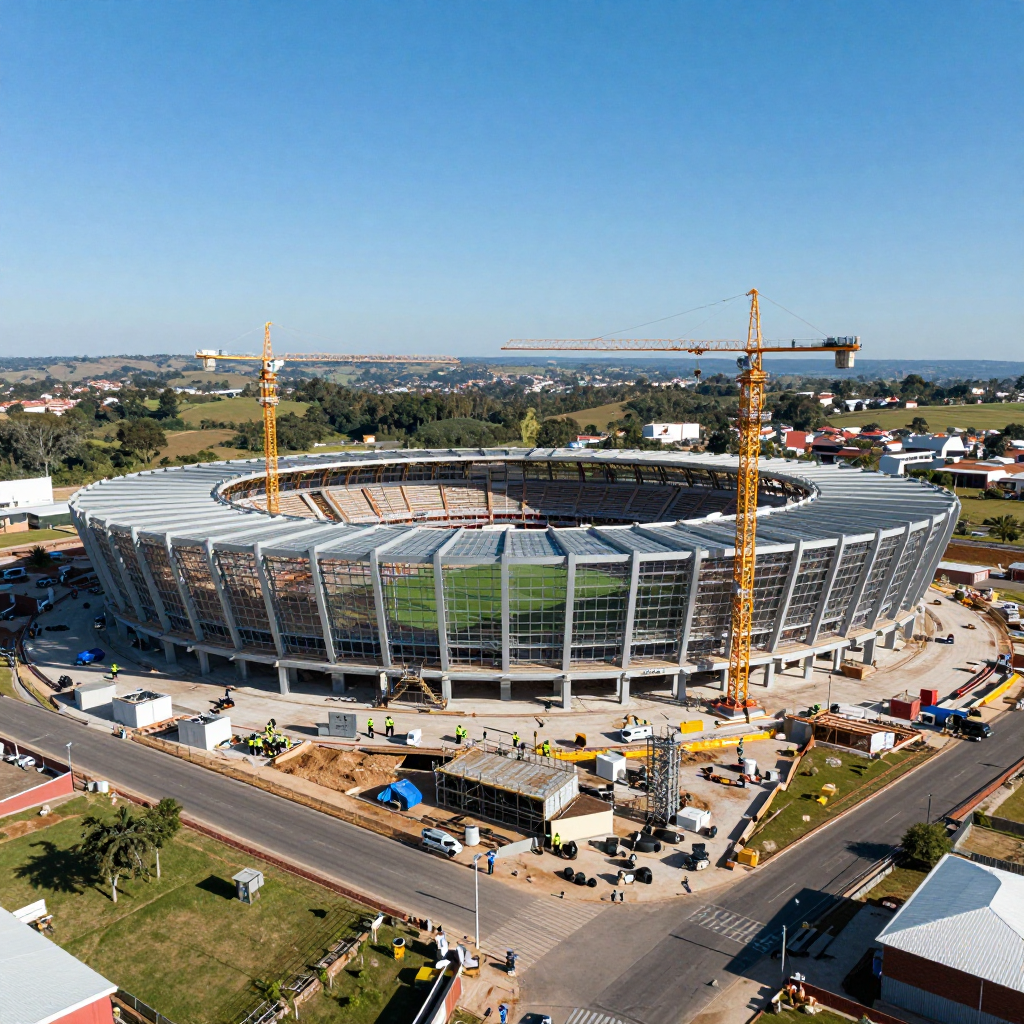
In a significant stride towards enhancing its sporting capabilities and solidifying its position in the South American football landscape, Paraguay has announced a series of infrastructural improvements aimed at boosting the country's football facilities. This initiative comes amid increasing recognition of the role that sports, particularly football, can play in attracting tourism, fostering regional cooperation, and driving economic growth across Mercosur countries.
The core focus of these advancements is the modernization of existing stadiums and the construction of new training complexes. These developments aim to provide world-class facilities not only for local teams but also for international competitions that could potentially be hosted in the future. Paraguay's Ministry of Sport and Recreation has allocated a substantial portion of its budget to these projects, reflecting a broader governmental strategy to leverage sports as a means of enhancing national pride and economic diversification.
From a business perspective, these investments hold considerable promise for various sectors. Firstly, they attract tourism, as improved facilities can host both domestic and international matches, drawing fans from neighboring countries such as Brazil, Argentina, and Uruguay, all part of the Mercosur trade bloc. This influx of visitors could significantly boost revenue for local hotels, restaurants, and retail businesses, contributing to overall economic activity.
Moreover, the enhancements in sports infrastructure create opportunities for private-sector partnerships. Local and foreign companies are already expressing interest in sponsoring these venues, which could lead to long-term commercial agreements. Such collaborations could provide much-needed funding for further development while also offering branded exposure for businesses seeking to tap into the region's expanding consumer market.
Beyond direct economic benefits, the investment in football infrastructure aligns with Paraguay's goal of strengthening its cultural and sport diplomatic ties within Mercosur. Football serves as a unifying force in South America, and hosting high-profile matches could enhance regional cooperation and foster greater economic integration among Mercosur nations. Analysts suggest that Paraguay's initiative could set a precedent for similar developments across the bloc, emphasizing the potential of sports as a catalyst for cross-border collaboration and shared economic growth.
While these developments represent a positive step forward, challenges remain. Ensuring that the benefits of these investments are equitably distributed throughout Paraguay's population will be crucial. Additionally, maintaining sustainability in these projects—both financially and environmentally—is essential to avoid overburdening public resources and ensuring long-term viability.
In conclusion, Paraguay's commitment to bolstering its football infrastructure is not merely a sports-related endeavor; it is a strategic business move with far-reaching implications for the country's economy and its regional standing. By leveraging sports as a vehicle for economic development, Paraguay is positioning itself as a key player within Mercosur, ready to capitalize on the growing global interest in South American football and the economic opportunities it presents.