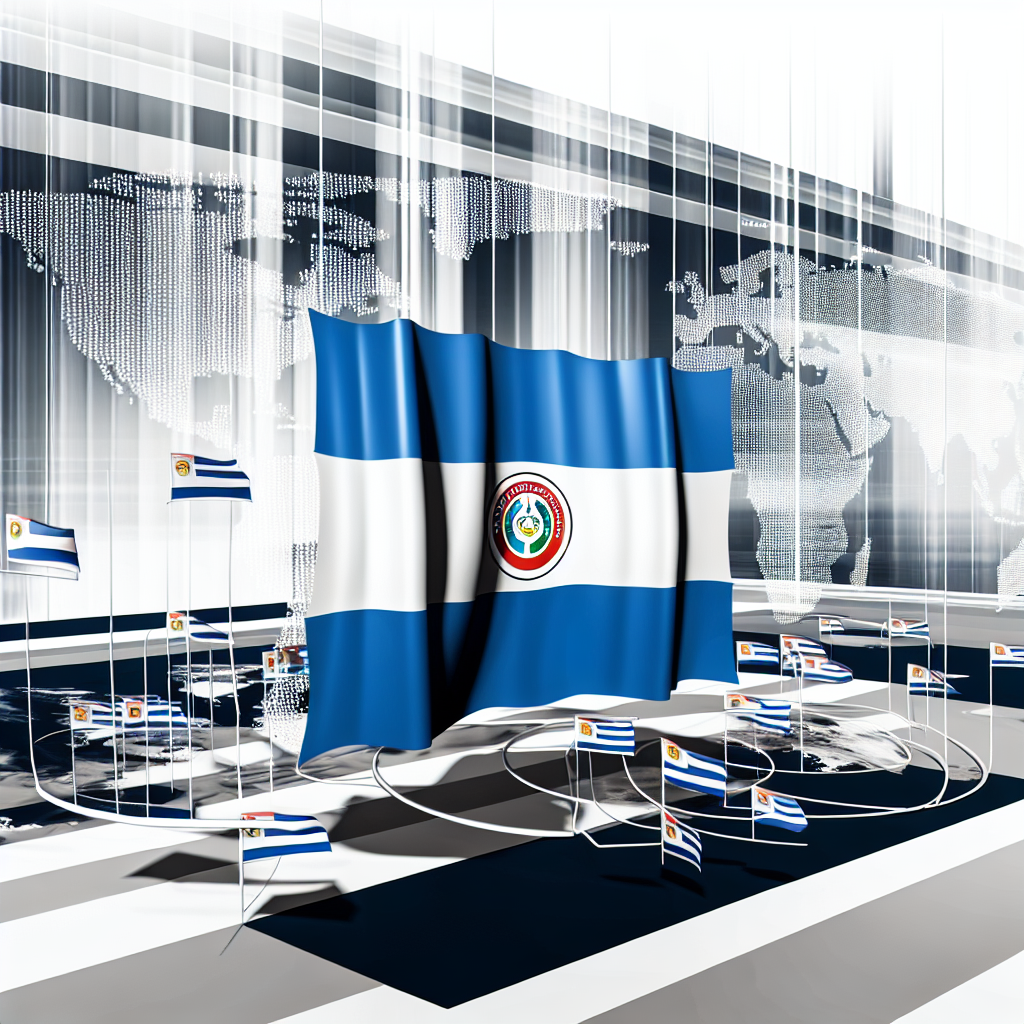
Mercosur, the South American trade bloc consisting of Argentina, Brazil, Paraguay, and Uruguay, plays an increasingly pivotal role in shaping global trade dynamics. Amidst these developments, Paraguay's role as a key stakeholder in the bloc cannot be underemphasized. The country's strategic position, robust agricultural sector, and burgeoning manufacturing industries are vital components in Mercosur's overall economic outlook.
Paraguay's economy, heavily reliant on agriculture and hydroelectric power, has been diversifying in recent years. The government's proactive steps to attract foreign investment have led to a surge in the manufacturing sector. This diversification could enable Paraguay to expand its export portfolio within Mercosur and beyond, potentially strengthening its position in the global marketplace.
Paraguay's diplomatic relations with other Mercosur countries have traditionally been strong, fostering a conducive environment for trade negotiations and agreements. Although issues may arise from time to time, the general consensus among analysts suggests that the benefits of such a cooperative relationship far outweigh the occasional disputes.
The country's potential to influence Mercosur's international trade negotiations is significant. As the bloc continues to negotiate trade agreements with other major players in the global economy, Paraguay's interests and perspectives are likely to shape the course of these discussions.
However, it's important to note that while Paraguay's position within Mercosur could provide several opportunities for economic growth, it may also present certain challenges. Striking a balance between national interests and the broader objectives of the bloc may sometimes prove difficult. Likewise, the country's heavy reliance on its agricultural sector could be a potential vulnerability in the face of fluctuating global market trends.
In conclusion, Paraguay's role in Mercosur and its potential implications for global trade dynamics warrant closer scrutiny. As the country continues to diversify its economy and strengthen its position within the bloc, its influence on global trade is likely to increase. However, careful management of its economic vulnerabilities and strategic negotiation within Mercosur will be crucial to harnessing this potential.