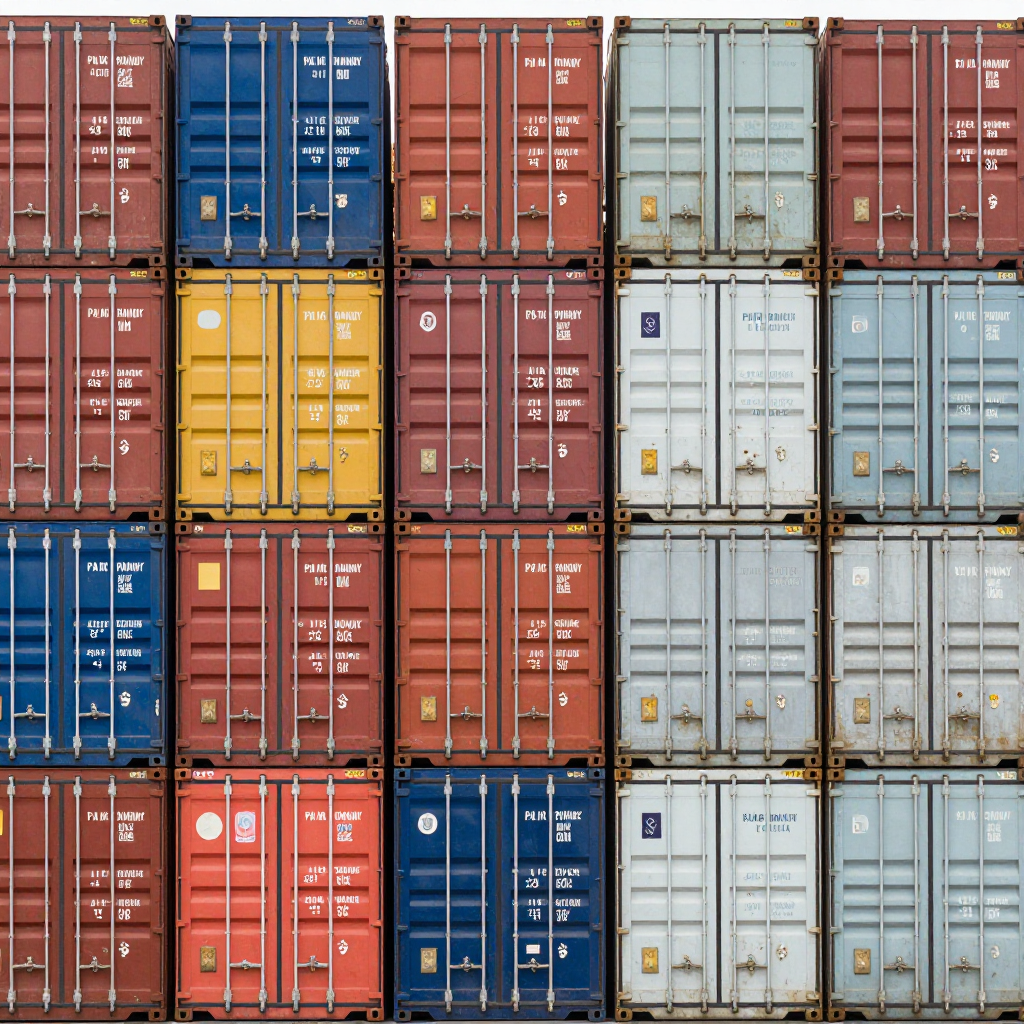
Asunción, Paraguay — In a significant move to bolster its economic standing, the Paraguayan government has recently taken strides to strengthen its trade relations within Mercosur, the Southern Common Market. This initiative comes as the country seeks to position itself as a key player in regional commerce, leveraging its strategic location and potential for growth.
Officials have expressed optimism about the opportunities presented by Mercosur, emphasizing the bloc's role in fostering trade efficiency and reducing barriers among member nations. According to sources familiar with the matter, the Paraguayan Ministry of Industry and Commerce is actively engaged in negotiations aimed at harmonizing trade policies and enhancing market access for local businesses.
This push for deeper integration could have profound implications for Paraguay’s economy. By aligning more closely with Mercosur, the country hopes to attract greater foreign direct investment (FDI), particularly in sectors such as agribusiness, energy, and infrastructure. Analysts note that Paraguay’s natural resources and competitive production costs make it an attractive destination for investors looking to capitalize on regional trade opportunities.
However, challenges remain. While Mercosur provides a framework for collaboration, the differing economic trajectories and priorities of member countries, including Brazil, Argentina, Uruguay, and Paraguay, can sometimes lead to internal friction. Nonetheless, policymakers in Asunción appear confident that the benefits of increased integration outweigh potential risks.
In recent months, Paraguay has also seen renewed focus on improving its regulatory environment, aiming to reduce bureaucratic hurdles and increase transparency. These reforms are intended to create a more investor-friendly climate, further incentivizing businesses to consider Paraguay as part of their expansion strategies within South America.
The ongoing discussions around trade agreements are part of a broader strategy to diversify the Paraguayan economy. Traditionally reliant on agriculture and hydroelectric power, the country is exploring new avenues for growth, including technology and services. As Mercosur negotiations progress, there is anticipation that these efforts could catalyze sector-specific advancements and stimulate long-term economic development.
For international businesses monitoring the region, Paraguay’s alignment with Mercosur represents both an opportunity and a cause for observation. As the country continues to refine its approach to regional integration, its success will depend on effective implementation and cooperation among Mercosur members. Meanwhile, the nation remains eager to demonstrate its readiness as a dynamic participant in the evolvingMercosur landscape.