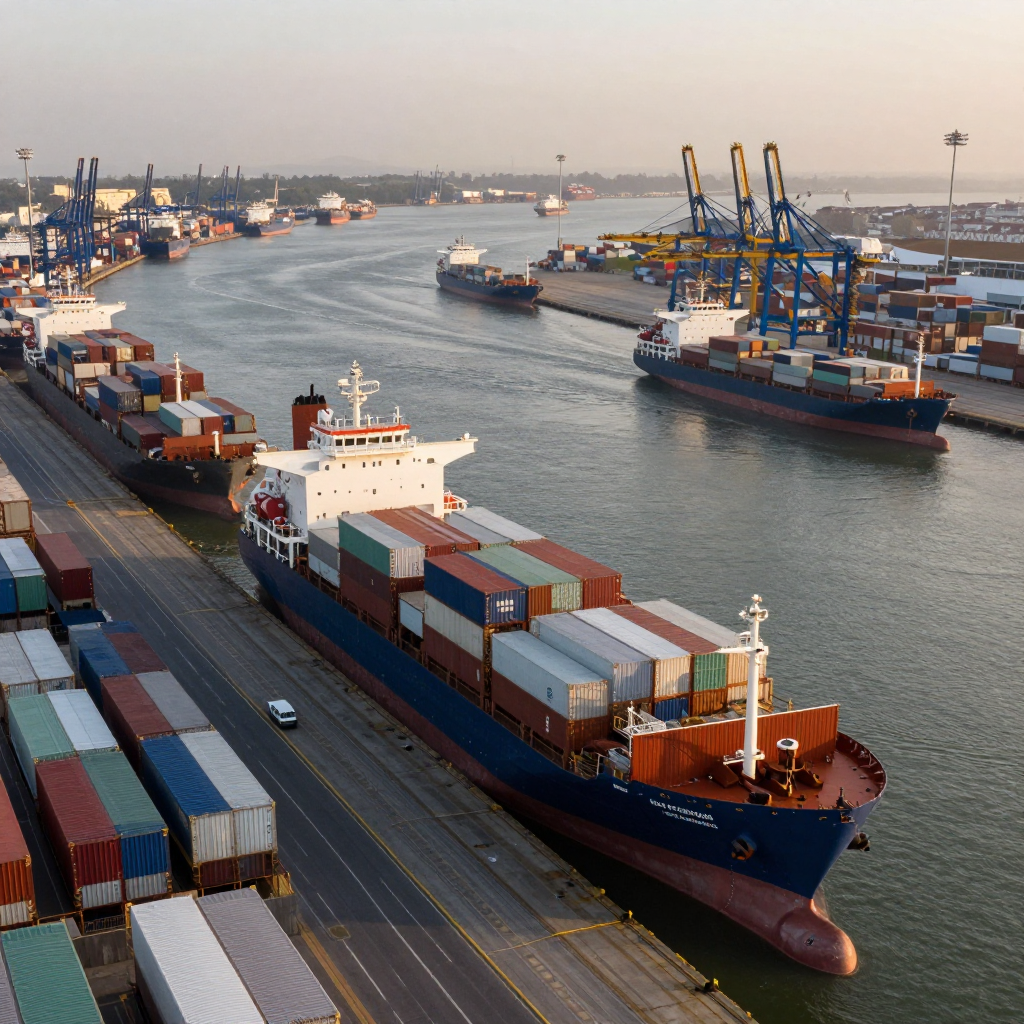
As Mercosur continues to navigate its complex economic and political landscape, Paraguay is increasingly positioning itself to capitalize on the bloc's potential. The country's strategic location and participation in regional trade agreements have placed it at the forefront of discussions about economic integration within the Southern Cone. Analysts suggest that Paraguay's ability to adapt to evolving Mercosur policies could lead to increased foreign investment and expanded market access for its agricultural and energy sectors.
Mercosur, which includes Argentina, Brazil, Uruguay, and Paraguay, has long been a focal point for regional economic cooperation. However, recent tensions between member states have raised concerns about the bloc's stability. Despite these challenges, Paraguay remains committed to strengthening its role within the organization. The country's Ministry of Foreign Affairs has emphasized the importance of maintaining strong diplomatic ties with other Mercosur members, particularly in light of global trade uncertainties.
One of the key areas where Paraguay could see growth is in its agricultural exports. The country is a major producer of soybeans, beef, and corn, and has historically relied on exports to Brazil and Argentina. With the potential for expanded trade agreements within Mercosur, Paraguay may see increased demand for its agricultural products. Additionally, the country's renewable energy sector, particularly in hydropower, could benefit from regional collaboration and investment.
While the future of Mercosur remains uncertain, Paraguay's proactive approach to regional integration suggests that it is well-positioned to take advantage of any opportunities that arise. As global trade dynamics shift, the country's ability to leverage its membership in the bloc will be crucial in determining its economic trajectory. For international business readers, Paraguay's strategic position within Mercosur offers a compelling case study in regional economic development and cooperation.